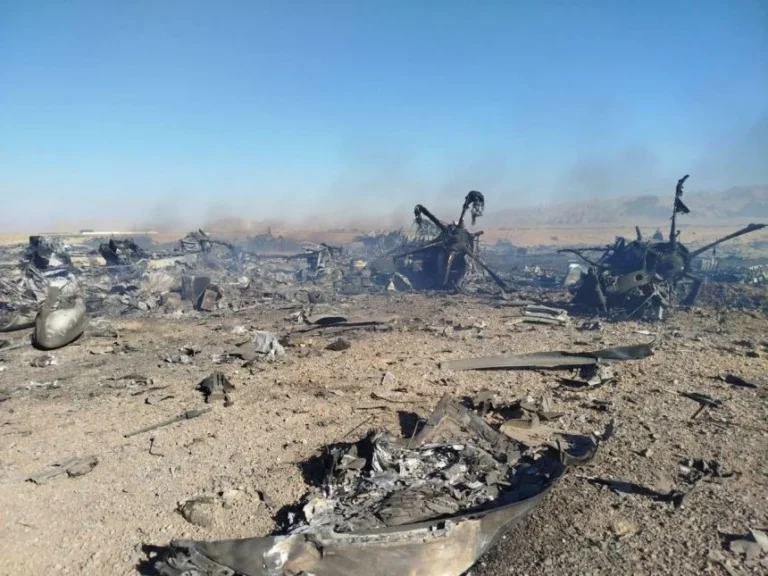








A critical oil pipeline system in Saudi Arabia was forced to shut down on Thursday after being targeted by multiple projectile attacks. According to two US officials familiar with the situation, the strikes hit pumping stations located adjacent to the East-West pipeline. Saudi Arabia’s Ministry of Energy confirmed the incident, stating the infrastructure was shut down as a precautionary measure following attacks that resulted in an unspecified number of injuries.
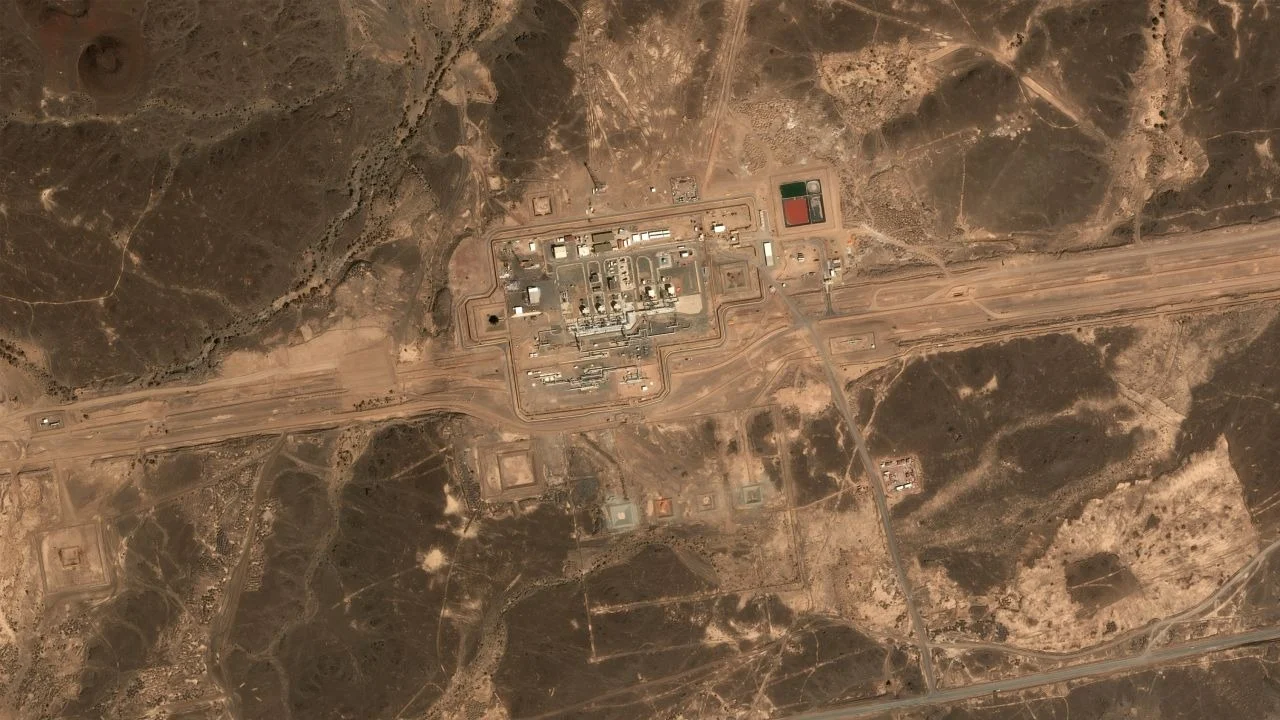
Satellite imagery captured on Friday revealed extensive fire damage at one pumping station, while footage from Thursday showed plumes of thick, black smoke rising from another site. Although nine large fires were detected near the pipeline, officials noted that at least six of these locations appeared to be flare pits, which are used to burn off oil and gas during emergencies. The Saudi Ministry of Foreign Affairs officially condemned the strikes, which occurred in the Riyadh and Madinah regions, attributing them to drones launched from Iraqi territory.
The Saudi government stated it has chosen not to retaliate at this stage, honoring a request from the Iraqi Prime Minister to allow the Iraqi government time to implement measures preventing further attacks from its soil. In response, the Iraqi government condemned the aggression, pledging an urgent investigation and asserting that it would not permit its airspace or territory to be utilized for such hostile actions against the Kingdom.
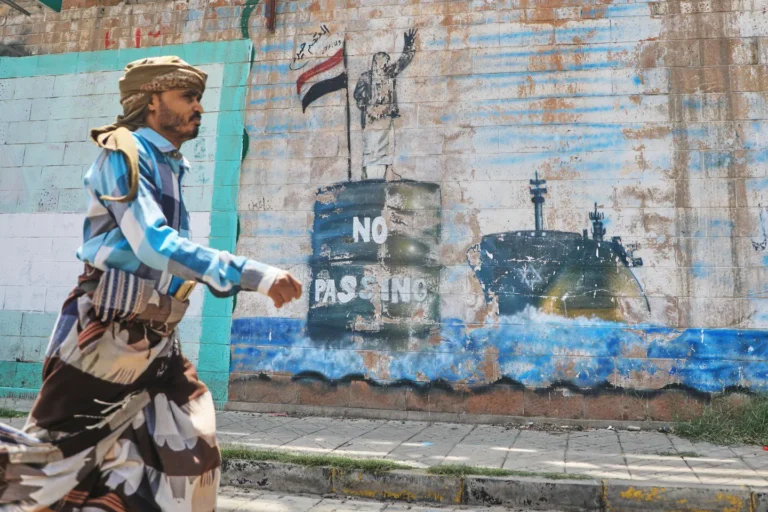
The East-West pipeline has become a vital artery for Saudi energy exports since the onset of the US-Iran war. With Iran effectively closing the Strait of Hormuz, the Kingdom has been rerouting approximately 5 million barrels of oil per day through this pipeline to the Red Sea port of Yanbu. The vulnerability of this route is further compounded by Houthi threats to target vessels passing through the Bab al-Mandeb strait, potentially constricting the Kingdom’s remaining export outlets.
Intelligence analysts suggest the attack may be part of a broader Iranian strategy to leverage proxy militias in Iraq and Yemen to pressure Arab nations into rejecting American military presence in the region. This assessment aligns with warnings provided by Saudi Defense Minister Khalid bin Salman during his late July meetings in Washington with President Donald Trump and Vice President JD Vance. Experts, including Behnam Ben Taleblu of the Foundation for Defense of Democracies, noted that Iran-allied groups have frequently utilized drones to target Saudi interests.
The incident arrives at a precarious time for the Saudi energy sector, which recently reported to OPEC that crude oil production had plummeted to its lowest levels since 1990. While the exact timeline for repairs remains uncertain, officials and industry experts suggest that fixing pumping stations may prove less complex than repairing the pipeline itself. Global oil markets reacted sharply to the instability, with prices surging past $100 per barrel this week. As of now, Saudi Aramco has not commented on the incident, and both the US State Department and White House have remained silent, while US Central Command declined to provide a statement. The report also notes that it was not immediately clear who was responsible for the strikes or if sections of the pipeline itself were damaged but one of the officials said it was struck by drones originating from Iraq. The report also notes that the strike signals that the kingdom’s oil resources — and its ability to export those resources — are facing increasing threats as the Iran War continues. The report also notes that “The Iraqi government condemns the attacks that targeted the brotherly Kingdom of Saudi Arabia and affirms its rejection of any attack that undermines the Kingdom’s security and stability or harms the deep-rooted fraternal relations between the two countries.” the statement carried by state-run news agency INA said. The report also notes that this week oil prices surged past $100 a barrel amid sharp swings driven by events in the Middle East. The report also notes that as Iran effectively shuttered the Strait of Hormuz, the kingdom has rerouted about 5 million barrels of oil per day that would have been destined for awaiting oil tankers in the Persian Gulf. The report also notes that jennifer Hansler and Nadeen Ebrahim contributed to this report.