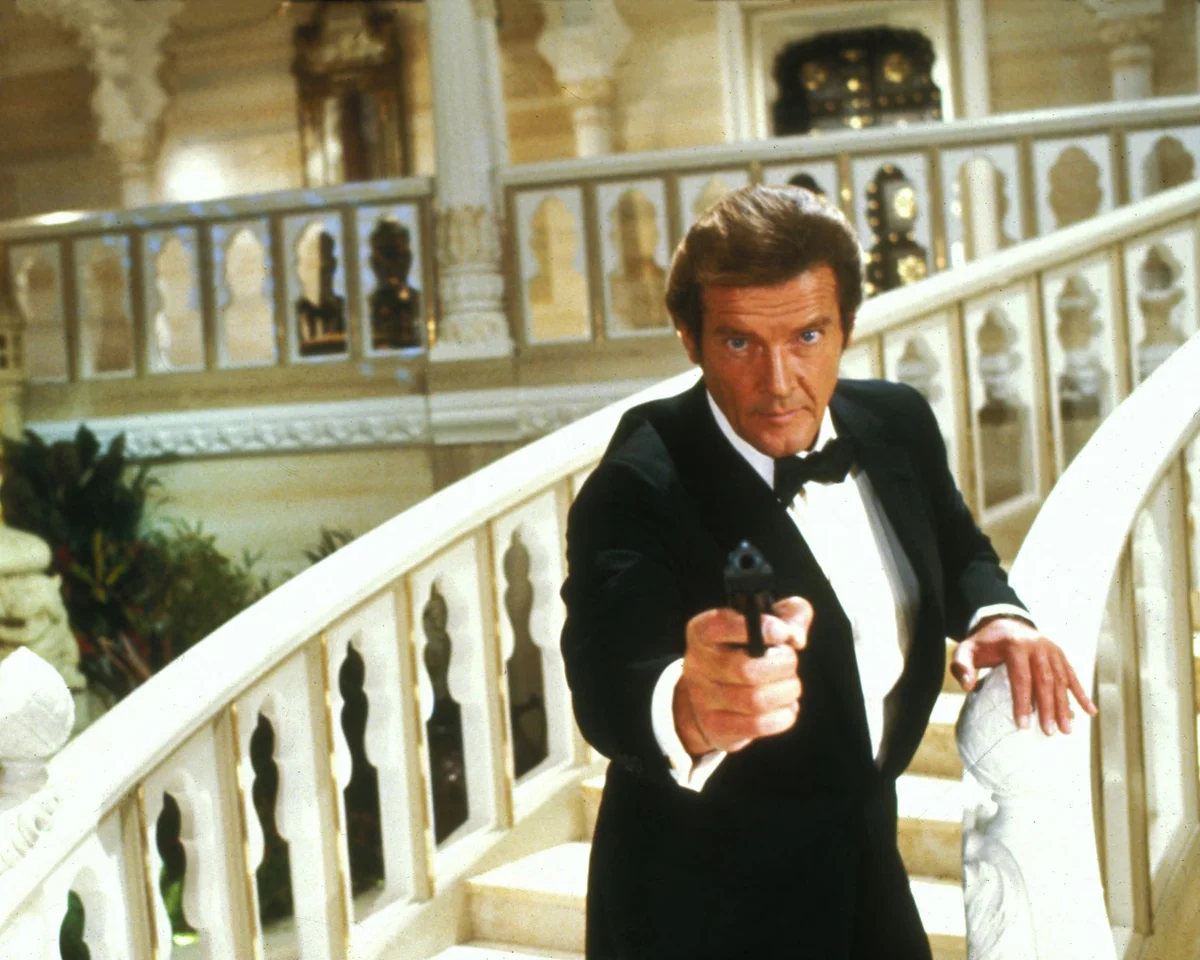








MI6 has long carried the swagger of James Bond, while its French counterpart, the DGSE, is often associated with the intricate, bureaucratic complexities depicted in the television drama Le Bureau. The film and TV shows may be fictional, but a survey run by a French magazine that placed the British spy agency above the French as No 1 across all of Europe this week is not.
L’Express, a French news weekly, conducted a Eurovision-style poll of 60 current and former spies from across the continent, as well as representatives from the CIA and Israel’s Mossad. Each participant was asked to rank their top five foreign intelligence agencies in secret. MI6 finished in first place with 251 points, comfortably ahead of the DGSE, which secured 169 points, with other agencies trailing significantly behind.
The result did not surprise Alexandra Saviana, a deputy editor at the publication specializing in defense and intelligence, though the margin of victory was unexpected. “It is a huge point gap,” she said, reflecting the opinions of insiders and allies, 17 of whom are or were agency chiefs in an interconnected, covert ecosystem.
At MI6’s headquarters in Vauxhall, London, there has been no sign of a public reaction from its chief, Blaise Metreweli. However, there is a sense of quiet satisfaction at the verdict, particularly because the agency prioritizes how it is perceived by both allies and adversaries. “Reputation matters a lot in the espionage game,” noted a former Whitehall insider.
“British spies fascinate Europe, and beyond,” L’Express explained in its cover story. Saviana added that MI6’s success in the poll was primarily driven by its record in recruiting and managing high-level human sources over generations—a focus on human intelligence in an era increasingly dominated by technology, intercepts, and satellite monitoring. A former French DGSE spy told the magazine that the British possess the ability to play the long game, betting on sources over decades, though they added that the agency also has a penchant for underhand tactics.
The agency’s reputation among peers is built on long-standing traditions, including the recruitment of Cold War assets like KGB officer Oleg Gordievsky. Gordievsky served as a double agent through the late 1970s and early 1980s, helping convince Margaret Thatcher to engage with Mikhail Gorbachev before being smuggled to Finland in 1985. However, not every operation has been a success. Alireza Akbari, a former Iranian deputy defense minister and British citizen, was executed in 2023 after being arrested in 2019. While his confessions were likely coerced, intelligence sources indicated he had revealed the existence of the Fordow nuclear enrichment site in 2008.
MI6 has faced significant criticism in the past. In the run-up to the 2003 Iraq war, the agency was accused of simplistically supporting the case for conflict by promoting false sources. This included claims that Saddam Hussein could attack UK targets within “45 minutes” and reliance on a source who described chemical weapons devices remarkably similar to those in the Hollywood film The Rock. It was widely considered a low point for the service.
L’Express argued that MI6 rehabilitated its standing in the lead-up to the Ukraine war in February 2022. The agency correctly warned, in conjunction with the CIA, that Russia was about to invade, while French and German counterparts remained skeptical until the last minute. This performance reflects MI6’s close and longstanding relationship with the CIA, part of the wider Five Eyes intelligence-sharing arrangement between the US, UK, Australia, Canada, and New Zealand. “Every other country wants to say they are the sixth eye,” Saviana noted.
Gordon Corera, co-presenter of The Rest is Classified podcast, recalled a story from a former MI6 chief about a young officer sent to a remote location. Upon entering the room, the contact extended his hand and said, “Hello, Mr Bond.” The former chief remarked, “I doubt if he would have received such a warm welcome if he’d been from the Belgian secret service.” The report also notes that “The British have the ability to play the long game, to bet on sources over 10 years, a bit like the Russians,” a former French DGSE spy told the magazine, adding “and they have a penchant for underhand tactics” without. The report also notes that under Richard Moore, MI6’s previous chief, there were worries that it no longer had enough. The report also notes that others, including Saviana, accept that greater credit might have been given to MI6’s sister agency, the signals intelligence experts at GCHQ, but it was not in the poll.