






Exclusive images obtained from active military personnel document extensive destruction of U.S. facilities and equipment across the Middle East, resulting from repeated Iranian missile and drone operations. These service members provided the visual evidence on the condition of anonymity, citing strict military media regulations that limit public disclosure of such events.
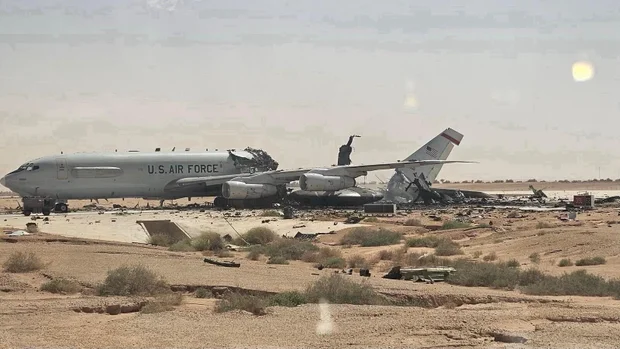
One deployed service member described the current situation as a failure to communicate the reality of the conflict to the American public, stating that personnel feel they are fighting blind while under constant attack. A photograph taken at the Prince Sultan Air Force Base in Saudi Arabia captures a Boeing E-3 Sentry aircraft struck directly; the jet’s tail was severed, and the fuselage was severely charred, effectively neutralizing a platform critical for midair intelligence gathering.
Additional imagery from the same Saudi site depicts hollowed-out barracks and operational buildings positioned beside cement T-walls. While these barriers were intended to shield troops from mortar or grenade fire, the photos demonstrate their inadequacy against aerial bombardment. Similar damage is visible at Camp Buehring in Kuwait, a primary staging hub for U.S. ground forces, armored units, and aviation assets located in the desert northwest of Kuwait City.
The Pentagon’s inspector general recently confirmed the scale of these losses in a mandatory report to Congress, documenting roughly $3.7 billion in equipment damage, which includes nearly 60 aircraft. Official records indicate that Iranian strikes have successfully targeted U.S. installations across a wide geographic range, including sites in Kuwait, Bahrain, Qatar, the UAE, Saudi Arabia, Iraq, Oman, and Jordan.
The Defense Department has not yet provided a response to inquiries regarding these findings. Internal frustration persists, with personnel rejecting terminology previously used by Defense Secretary Pete Hegseth, who referred to incoming threats as minor infiltrations following the March 1 assault on the Port of Shuaiba in Kuwait, an event that resulted in the deaths of six U.S. troops.
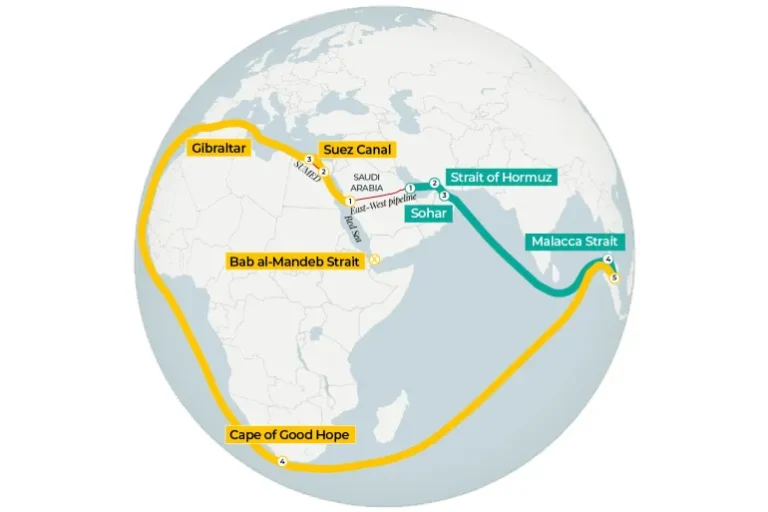
Reflecting on the ongoing strategic failures, the service member noted that forces are effectively watching the destruction of their own bases without adequate defense. Beyond these attacks, regional volatility continues to rise, with Iran-backed proxies utilizing Yemen to disrupt operations and exacerbate the impact of the conflict on global oil markets. The report also notes that this is major damage to our bases that hasn’t been communicated to the American public,” one deployed service member told. “We’re standing there with our eyes closed getting punched in the face.