








More than 100,000 people have been displaced by escalating violence in Yemen, as hostilities intensify between Houthi rebels and forces loyal to the internationally recognized government. The United Nations reported that the conflict, which has seen Houthi fighters secure control over Yemen’s entire Red Sea coastline, has triggered a massive humanitarian crisis along the country’s western region.
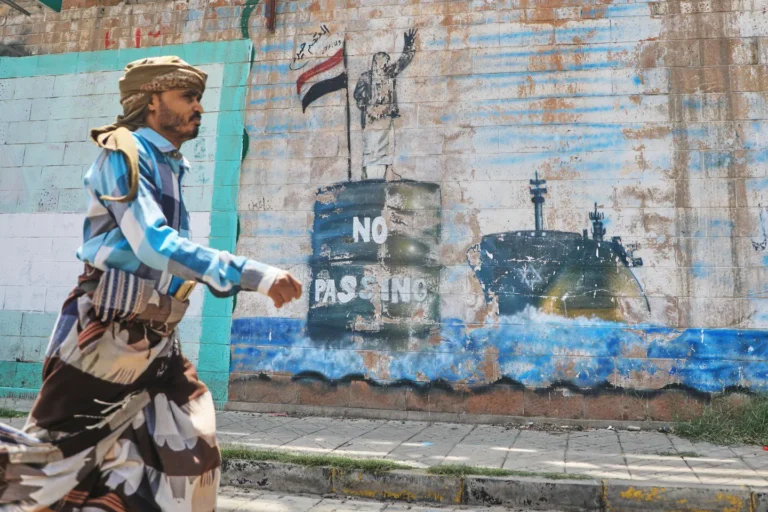
The strategic Bab al-Mandeb strait—a vital maritime corridor connecting the Red Sea to the Gulf of Aden—has become a central theater of the conflict. This passage has served as a key shipping route since the closure of the Strait of Hormuz during the ongoing U.S.-led war against Iran. The capture of the coast has left thousands trapped or forced to flee, with more than 2,400 people crossing the strait into Djibouti in just the last four days.
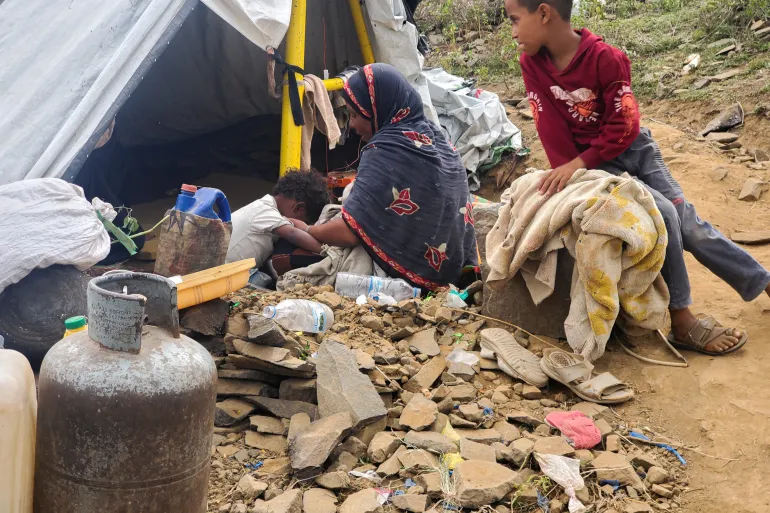
UNHCR representatives noted that many of those reaching Djibouti are elderly, women, and children who arrived in an exhausted state after harrowing sea journeys. Sandrine Desamours, a UNHCR representative, described the arrivals as distressed and carrying only the few belongings they could manage to salvage. Humanitarian groups are now struggling to provide adequate shelter, clean water, and medical care to these overstretched displacement sites.
The agency has issued an urgent appeal for $14 million in new funding to support immediate relief efforts both inside Yemen and for those arriving in neighboring Djibouti. Beyond the Yemeni citizens, approximately 65,000 refugees and asylum seekers—mostly from Ethiopia and Somalia—are currently at extreme risk as they remain caught within the zones of active fighting.
For those caught in the crossfire, escape has been erratic and dangerous. Hussein Haydara, a displaced resident from Hodeidah, described the suddenness of his flight: “You could barely take your children and the fewest essentials with you. We were terrified of the shelling and sniper fire, and you just flee as quickly as you can out of fear for your children and your family.”
Others remain separated from their loved ones. Aisha Muhammad, who fled a village near the port city of Mocha, said she is still trying to reach her five children. She reported that they are currently trapped at home, under fire, and surviving on minimal food supplies. “They are being blocked and shot at, so they are trapped inside their homes. My daughters called me saying they want to join us, but it has become too difficult,” she said. The report also notes that as more people are displaced, pressuring communities with limited resources, the UNHCR statement warned that the violence threatens to trigger a humanitarian crisis. The report also notes that no bread, nothing else, they are cooking only rice.