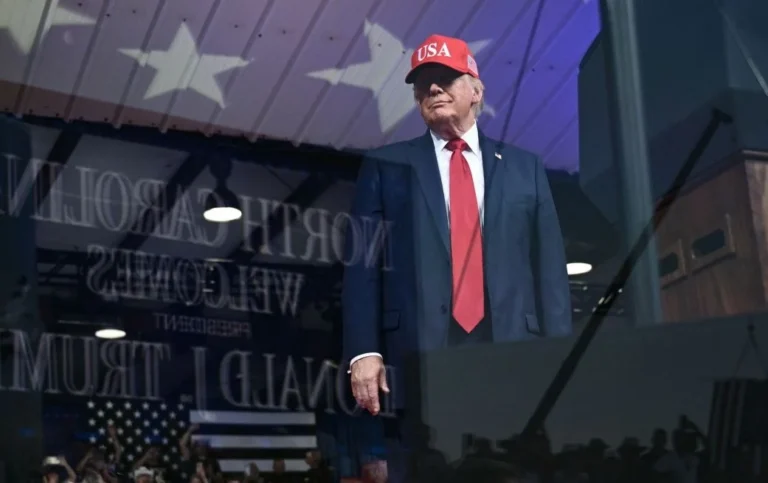

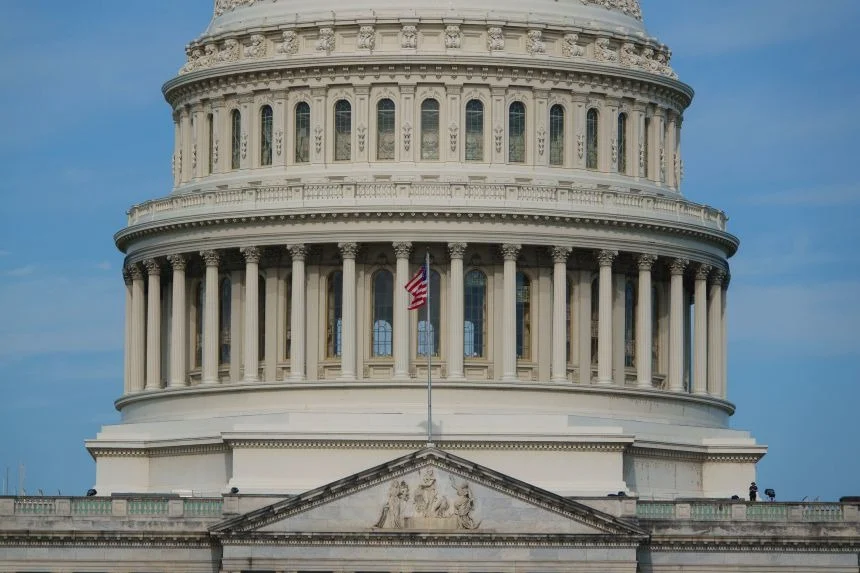






Congress is moving toward a final vote on a comprehensive Russia sanctions package, a legislative win for President Donald Trump ahead of the upcoming midterm elections. While the measure aims to penalize the Russian government, several lawmakers have expressed concerns that it contains language providing the executive branch with expanded powers to levy sweeping tariffs.
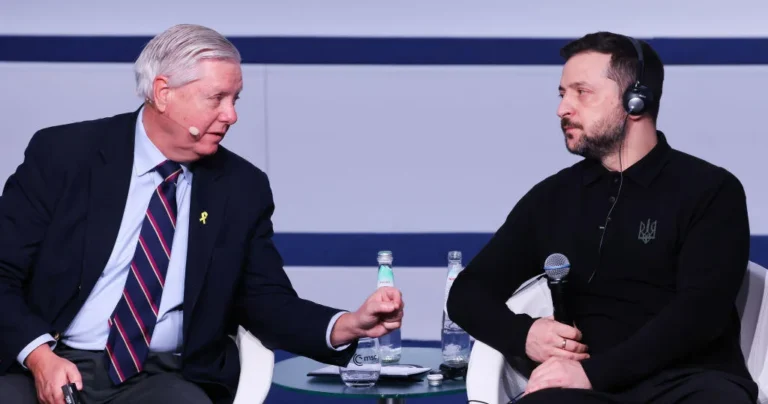
The House is scheduled for a final vote on the bill—named for the late Senator Lindsey Graham—this Wednesday. Should it pass, the legislation will move to the president’s desk. Originally introduced in April 2025, the bill is the product of over a year of negotiations, with Graham instrumental in securing White House support for the effort.
Despite the bipartisan push, the inclusion of specific tariff authorities has caused internal friction. Nearly a dozen Republican lawmakers recently lobbied their leadership to remove these provisions, fearing the potential for increased prices that could impact voters before the midterms. These internal requests were reportedly rejected by Speaker Mike Johnson and his leadership team.
Under the proposed terms, the Trump administration would gain the authority to impose tariffs of up to 100% on nations that purchase Russian oil and gas, a list that includes China and India. Skeptics, including some Democrats and privately wary Republicans, argue this creates an economic risk, even with the oversight of US Trade Representative Jamieson Greer, who would determine the specific tariff rates.
The legislation mandates sanctions on top Russian figures, such as President Vladimir Putin, alongside state-owned enterprises and foreign companies linked to the Russian defense industry. Senator Richard Blumenthal, a lead Democratic cosponsor, has pressed for passage, noting that in his final meeting with President Zelensky, the Ukrainian leader emphasized the urgency of the bill. “I am very hopeful that the House will recognize that we have a profound responsibility,” Blumenthal stated.
The proposal has divided the Democratic caucus, leading to intense internal debates. House Democratic Leader Hakeem Jeffries formally opposed the bill, specifically citing the expansion of tariff power. Three senior Democrats—Gregory Meeks of the Foreign Affairs Committee, Richard Neal of the Ways and Means Committee, and Don Beyer of the Joint Economic Committee—issued a sharp warning that the bill could do more harm than good.
In a joint statement, the trio cautioned that the legislation would “dramatically expand presidential tariff authorities while failing to mandate sanctions on Russia,” characterizing the outcome as unacceptable. They argued these flaws risk raising consumer prices for Americans while potentially weakening long-term support for Ukraine. Despite this opposition, the bill continues to move forward following its broad bipartisan approval in the Senate last August, even as some centrist Democrats broke with their leadership to facilitate the floor vote. The report also notes that nearly a dozen Republicans had been lobbying party leaders in recent days to take out new tariff powers included in the bill — alarmed that it could further hike prices just ahead of the midterms, accordin, but privately. The report also notes that the Trump administration could impose levies of up to 100% on countries buying Russian oil and gas, including China and India — which critics say could deliver a massive shock to the economy, under the new tariff authorities in the legislation. The report also notes that however, argue that the tariff authority is limited and carefully tailored and that fears that the president would end up with more power on trade matters are unfounded, supporters of the bill on both sides of the aisle. The report also notes that only one day before he died, was in Ukraine, his last public appearance.