







The Federal Reserve has increased interest rates for the first time in over three years, marking a shift in monetary policy aimed at slowing the pace of rising consumer prices. In a unanimous decision, officials raised the target range to 3.75%-4% from its previous level of 3.5%-3.75%. The move comes amid continued efforts to address inflation, which has remained above the central bank’s 2% target for more than five years.
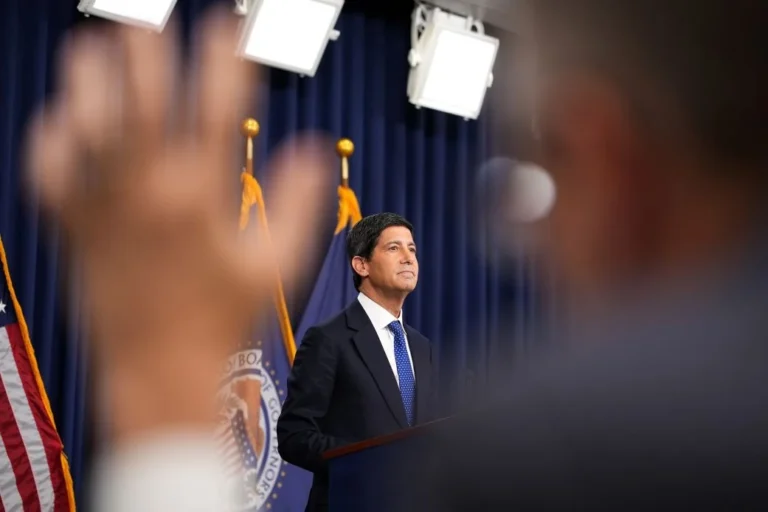
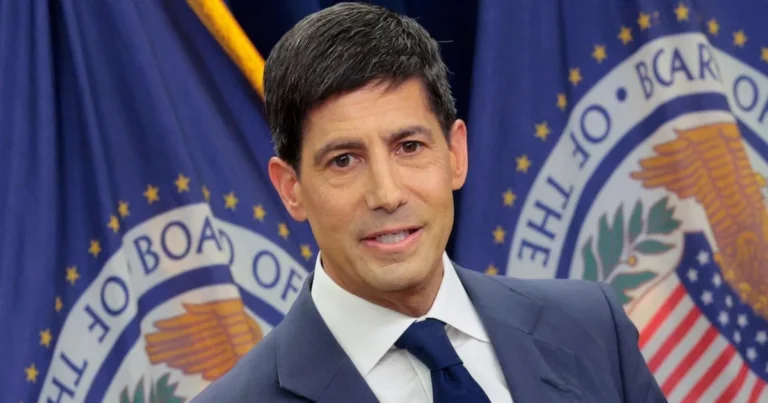
Fed Chair Kevin Warsh defended the move, characterizing it as a “sober” and “responsible decision.” During a press conference on Wednesday, Warsh noted that while there is an atmosphere of optimism among leadership, the reality remains that “inflation is too high and has been for too long.” He emphasized that although the central bank cannot directly influence individual costs like oil or grocery items, it must act to prevent price increases from further infiltrating the broader economy.
The decision faced vocal opposition from President Donald Trump, who has consistently pressured the Fed to slash interest rates. Following the announcement, the president stated on social media that rates “should be 1%, or less, because we are the Best Credit in the World – BY FAR,” and later demanded: “LOWER THE INTEREST RATES FOR THE UNITED STATES OF AMERICA, AND FAST!” When asked about his response to the president’s criticism, Warsh declined to comment on any personal discussions.
The political divide over the move intensified on Capitol Hill. Democratic lawmakers, who had previously characterized Warsh as being overly aligned with Trump’s preferences, criticized the hike for its potential to increase borrowing costs. Senate leader Chuck Schumer argued that the policy shift would make loans more expensive and exacerbate consumer debt, placing the blame for the economic environment on President Trump’s management.
Higher interest rates typically serve to discourage consumer spending and encourage saving, acting as a potential dampener on economic growth. On Wednesday, major financial institutions including JP Morgan, KeyCorp, and BNY responded by raising their prime lending rates to 7% from 6.75%. This adjustment is expected to impact interest charges on personal loans and credit cards. For homeowners, while existing fixed-rate mortgages remain unaffected, those seeking new loans or refinancing will face higher costs. Current data from Freddie Mac indicates that 30-year fixed-rate mortgages average 6.76%, while 15-year deals stand at 6.09%.
Economic challenges have been compounded by rising oil prices linked to the US-Israel conflict with Iran, which has driven up the cost of goods and services. Warsh noted that lower-income households stand to benefit most from successful efforts to stabilize prices. The Fed remains focused on balancing the cooling of inflation with maintaining the strength of the labor market.
Looking ahead, the majority of Fed policymakers anticipate at least one more rate hike before the end of the year, likely moving the target to between 4% and 4.25%. A small majority of officials also suggested that rates could potentially climb to a range of 4.25%-4.5% in the coming year, with expectations that cuts will not begin until 2028 or 2029. Forecasts currently predict that inflation will fall steadily toward the Fed’s 2% target by 2029.
The US is not alone in grappling with these inflationary pressures. Central banks globally are navigating similar dilemmas; the European Central Bank raised its own rates last week, and the Bank of England is scheduled to deliberate on its policy path shortly. The report also notes that who have seen fuel prices surge in response to soaring wholesale oil prices since the start of the US-Israel war with Iran, that has helped make affordability one of the top concerns of American voters. The report also notes that what the higher rate means for Americans. The report also notes that when he was confirmed, Democratic lawmakers had said Warsh would be Trump’s “sock puppet” and many Fed watchers expected him to carry out Trump’s persistent demands to slash rates. The report also notes that trump had been heavily critical of Warsh’s predecessor Jerome Powell for not cutting them. The report also notes that the Fed’s hike is the first rate move in any direction since they were cut in December 2025. The report also notes that the last time they were raised was in July 2023. The report also notes that the increase could help push up mortgage rates for home buyers and lead to Americans paying more on other types of debt. The report also notes that mortgage costs have climbed over the past year but remain below peaks seen in 2023.