








The aspiration for people of African descent to return to their ancestral continent is increasingly becoming a cornerstone of the global movement for reparatory justice. This shift in focus, which seeks to address the historical trauma of transatlantic chattel slavery, gained significant attention during a recent visit to Jamaica by Ghanaian President John Dramani Mahama.
Mahama’s trip coincided with a month of emancipation commemorations and arrived as Jamaican authorities prepare to send a delegation to the UK. The officials intend to present an unprecedented petition to King Charles, seeking formal legal guidance regarding their claims for slavery reparations from Britain. During an address to the Jamaican parliament, the Ghanaian leader characterized repatriation as a fundamental right for all individuals of African descent.
Highlighting Ghana’s proactive stance, Mahama noted that the nation enacted the Right of Abode Act in 2000, which enables eligible individuals of African descent to live and work in the country without requiring a visa. Furthermore, he revealed that Ghana is currently evaluating a new homeland return bill designed to establish clear pathways for citizenship and residence for the global African family.
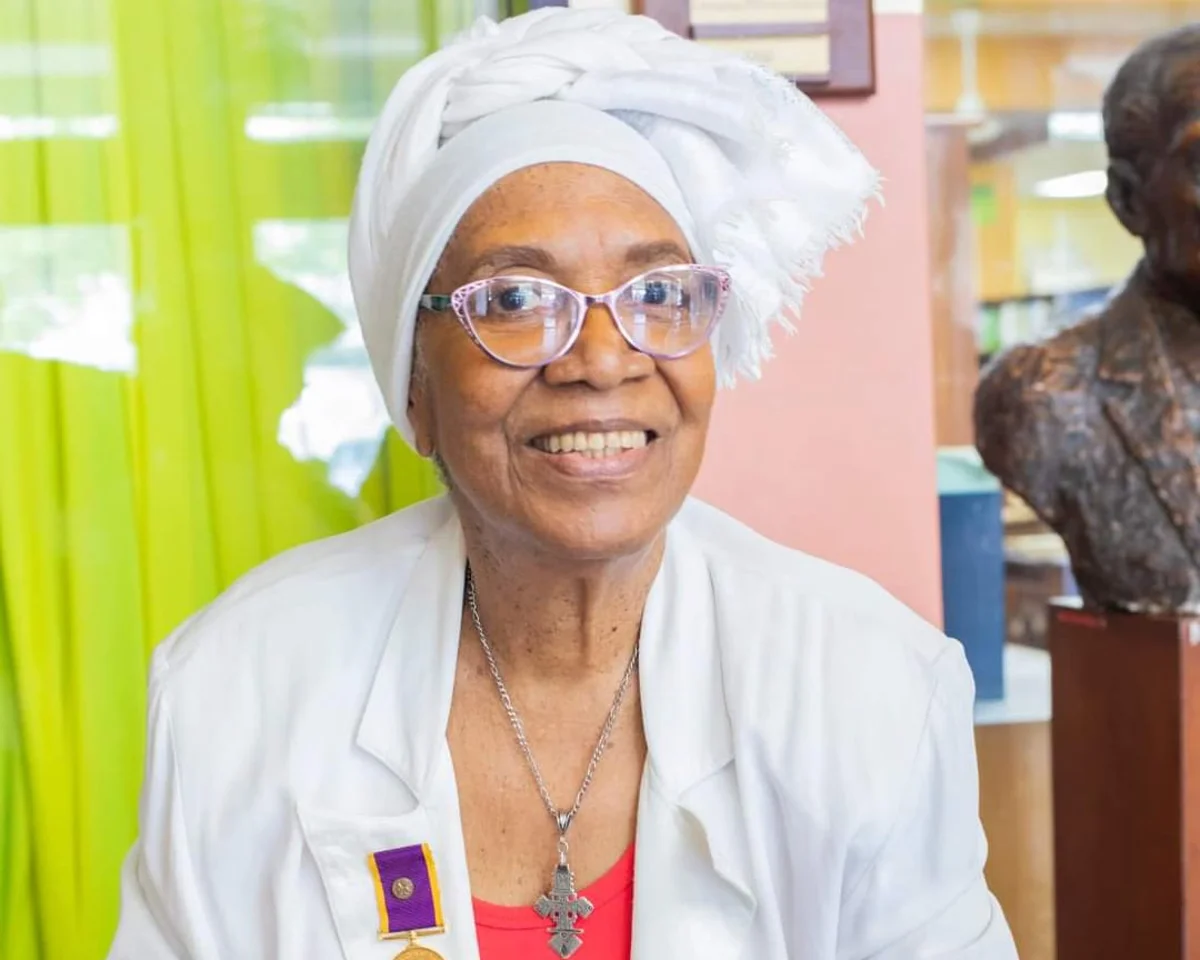
These developments are central to the vision of the Caribbean Community Reparations Commission, which lists repatriation and resettlement as one of its 10 core objectives for reparatory justice. For figures like Jamaican author and cultural activist Barbara Blake Hannah, the Ghanaian president’s visit represents a tangible milestone in the long-standing struggle for return.
Blake Hannah, who has identified as a Rastafarian since the early 1970s, describes this drive as the most powerful and persistent demand within the Rastafari movement. In her book, The Jamaica Reparations Handbook, she argues that the cruelty of slavery was never fully addressed by emancipation, as there was no effort to restore the land rights, language, or heritage stripped from enslaved people. She views repatriation not only as a spiritual homecoming but as a necessary remedy for those whose identities were fractured by historical trauma.
This sentiment is echoed by Aaron “Ras Iron” Alexander, president of the Iyanola Council for the Advancement of Rastafari and Pan African People in St Lucia. He noted that while the movement was once marginalized and its proponents vilified, the call for reparations has now evolved into a critical 21st-century issue. Dr. June Soomer, a founding member of the Saint Lucia National Reparations Committee, emphasizes that the desire to return is deeply tied to identity. She points out that even during the era of enslavement, resistance efforts—such as those who jumped from ships—were often motivated by the desperate aim to return to Africa.
Steven Golding of Jamaica’s National Council on Reparations argues that repatriation must be understood as more than just physical relocation; it involves rebuilding the psychological, cultural, and economic ties severed by colonial systems. He explains that for many, the recognition of citizenship by an African nation is a vital form of reclamation. Golding, who also leads the Universal Negro Improvement Association and African Communities League, emphasizes that the concept is grounded in sound socio-economic and political theory rather than being merely symbolic.
To support the feasibility of these claims, Golding cites historical precedents, such as the 18th and 19th-century efforts by Britain and the US to establish Sierra Leone and Liberia as destinations for freed Africans. He also points to the 18th-century cases of African princes Ayuba Diallo and Abdul Rahman, who were trafficked by Europeans but later repatriated, as well as the 20th-century actions of Ethiopian Emperor Haile Selassie, who gifted land to members of the African diaspora.
Ultimately, the movement draws heavily from the political philosophy of Marcus Garvey, whose work placed African redemption and repatriation at the center of his vision. As these policy conversations continue to gain traction, advocates maintain that because the core crime was the systemic trafficking of people, the remedy must necessarily include the right for those people to return to their origins. The report also notes that she yearns to be repatriated to the continent from which her ancestors were kidnapped and transported across the Atlantic in the most inhumane conditions to become the property of Europeans, like many Rastafarians across the Caribbean. The report also notes that “When you become a Rastafarian, there are certain things you get taught as principles … one of them is to return home,” said Blake Hannah, who started becoming a Rastafarian in the early 1970s. The report also notes that “We’ve been the vanguard of these issues, which we have been championing for many decades. The report also notes that returning to Africa either physically or by connecting with the history and culture that was ruptured by transatlantic enslavement was important for all people of African descent. The report also notes that she added: “My heart started to beat differently, describing her first visit to Johannesburg. The report also notes that you felt like you were coming home. The report also notes that so, I understand how Rastafarians feel disconnected from their origin. The report also notes that it is very important to go back to Africa.”, and if you’re looking at origin and identity.