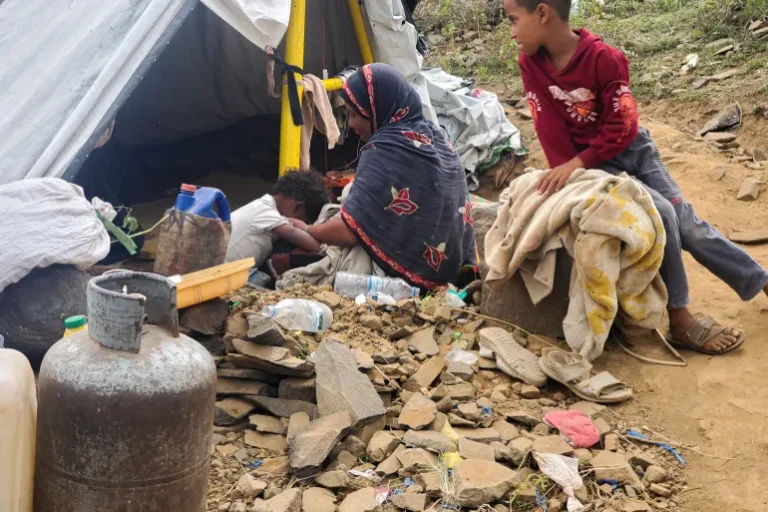

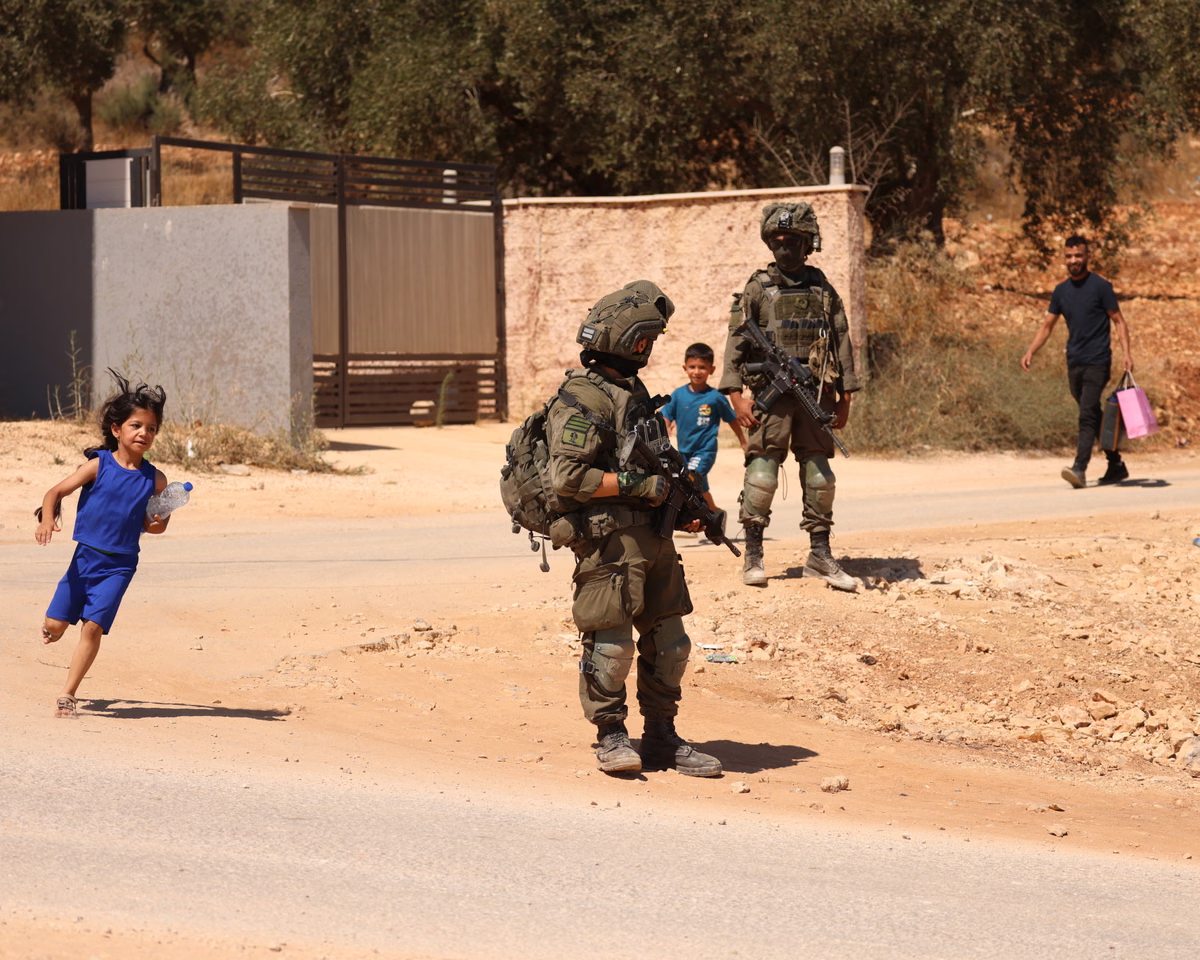








Israeli troops have forced two Palestinian families to abandon their homes in the besieged West Bank village of Qusra, just one day after a senior Israeli commander personally pledged to end a violent settler campaign targeting the area. The situation escalated early Thursday when soldiers seized eight additional homes, informing the village mayor, Abdul Azim Wadi, that the properties were required for a three-day operation intended to expel the settlers. While six of these homes were later vacated by the military, settlers continue to roam the village freely.
The crisis began on Sunday when a coalition of settlers and soldiers erected a tent blocking access to three homes on the village periphery. The blockade severed essential water and electricity supplies and prevented an ambulance from reaching a toddler in urgent need of medical care. Despite mounting international pressure, Maj Gen Avi Bluth, commander of Israeli troops in the occupied West Bank, visited Qusra on Wednesday to meet with the trapped residents, promising to evacuate the settlers.
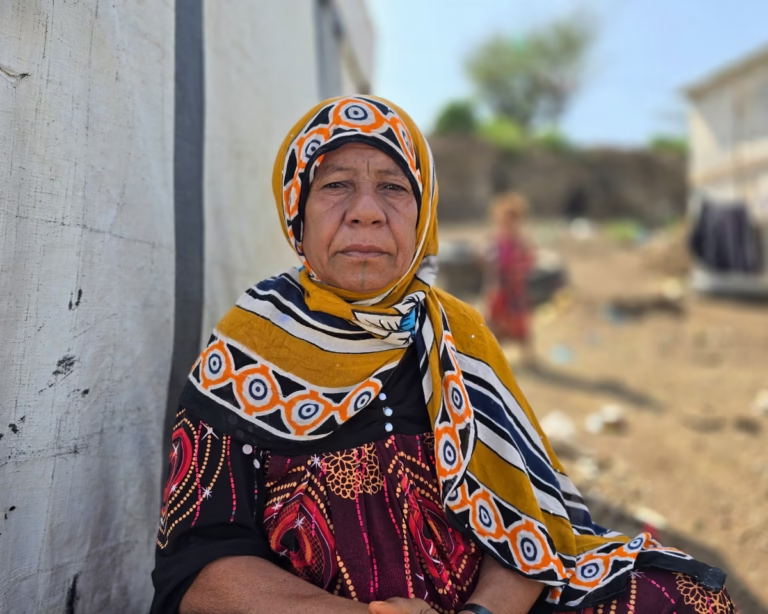
Following the visit, Bluth’s forces removed the tent but left the militants’ equipment and bedding behind. Soldiers retreated after a failed attempt to drive out the settler group using riot control measures. The siege entered its fifth day on Thursday, with the military presence expanding rather than diminishing. Qusai Ridi, a resident under siege, recounted, “The army arrived at around 10am and asked us to evacuate the houses because of a military operation in the area that would last for three days. We refused to leave. The army then moved us all into one house.”
Ridi was permitted to return to his home later that afternoon, where he discovered that soldiers had damaged his security camera system and stolen equipment. He remains deeply skeptical of the military’s intentions, stating, “I am afraid and do not trust that the army will actually evacuate the settlers. But I sincerely hope they do.” His neighbor, Yousef Hassan, remains displaced, with his home still occupied by soldiers.
The violence occurs in an area where 28-year-old Amir Moatasem Odeh was killed by a settler in March, an incident followed by an attack on his father. To date, no arrests have been made regarding the murder or the assault. US ambassador to Israel Mike Huckabee, typically a staunch supporter of the settlement project, condemned the siege as a “horrific act of terror” carried out by Israeli extremists.
Former Israeli Prime Minister Ehud Olmert has characterized the siege as a “concerted and meticulous attempt at ethnic cleansing,” expressing profound shame regarding the events. “These are crimes against humanity which are actively supported by the Israeli government and are assisted by the indifference and total lack of action by the IDF and the Israeli police. It’s unforgettable and unforgivable,” Olmert stated.
The military’s conduct has drawn sharp domestic criticism. Commentator Avi Ashkenazi, writing in the Israeli newspaper Ma’ariv, noted, “Yesterday’s events in Qusra illustrate the impotence of the IDF, the police, the GSS and other security organizations in the face of a group of bullies. Instead of bringing a police van and arresting the criminals, security forces have been trying to negotiate with them. They are thugs. They believe themselves to be the lords of the land.”
While an Israeli military spokesperson claimed that soldiers were instructed not to displace residents or operate inside their homes, these orders appear to have been ignored. IDF Chief of Staff Eyal Zamir has ordered a battalion of infantry reservists to reinforce the West Bank, though critics argue the failure to act stems from a lack of political will rather than a shortage of personnel.
The broader context remains grim, with rights group B’Tselem reporting that Israel has forcibly displaced 64 Palestinian communities over the past three years. Since 2020, Israeli civilians and soldiers have killed more than 1,100 Palestinians in the West Bank, with only a single indictment issued for those deaths. In the neighboring village of Jalud, similar tactics were used in July to force a family from their home, where soldiers and settlers were later filmed playing football together on the terrace. The report also notes that the spokesperson declined to comment on why those orders were being violated. The report also notes that with more than 4,800 people driven from their homes, fifteen other communities have lost residents. The report also notes that another attacker stabbed his father. The report also notes that the returning Palestinian families reported damage including a Qur’an with pages torn out and destroyed decorations.