









The conflict in Yemen is teetering on the edge of a wider regional escalation as Houthi rebels push to seize strategic territory along the Red Sea coast. By advancing through the mountain chains of Taiz province and toward al-Makha and al-Waziyah, the group is moving closer to critical maritime corridors, raising alarms about the security of global energy and food supplies.
Rajeh Badi, Yemen’s Ambassador to Qatar and a former government spokesman, stated in an interview on Wednesday that his government has maintained its commitment to the truce established in 2021. He characterized the Houthis as the aggressors, accusing them of launching a surprise offensive to secure positions that would allow them to disrupt navigation and launch more effective strikes on international shipping.
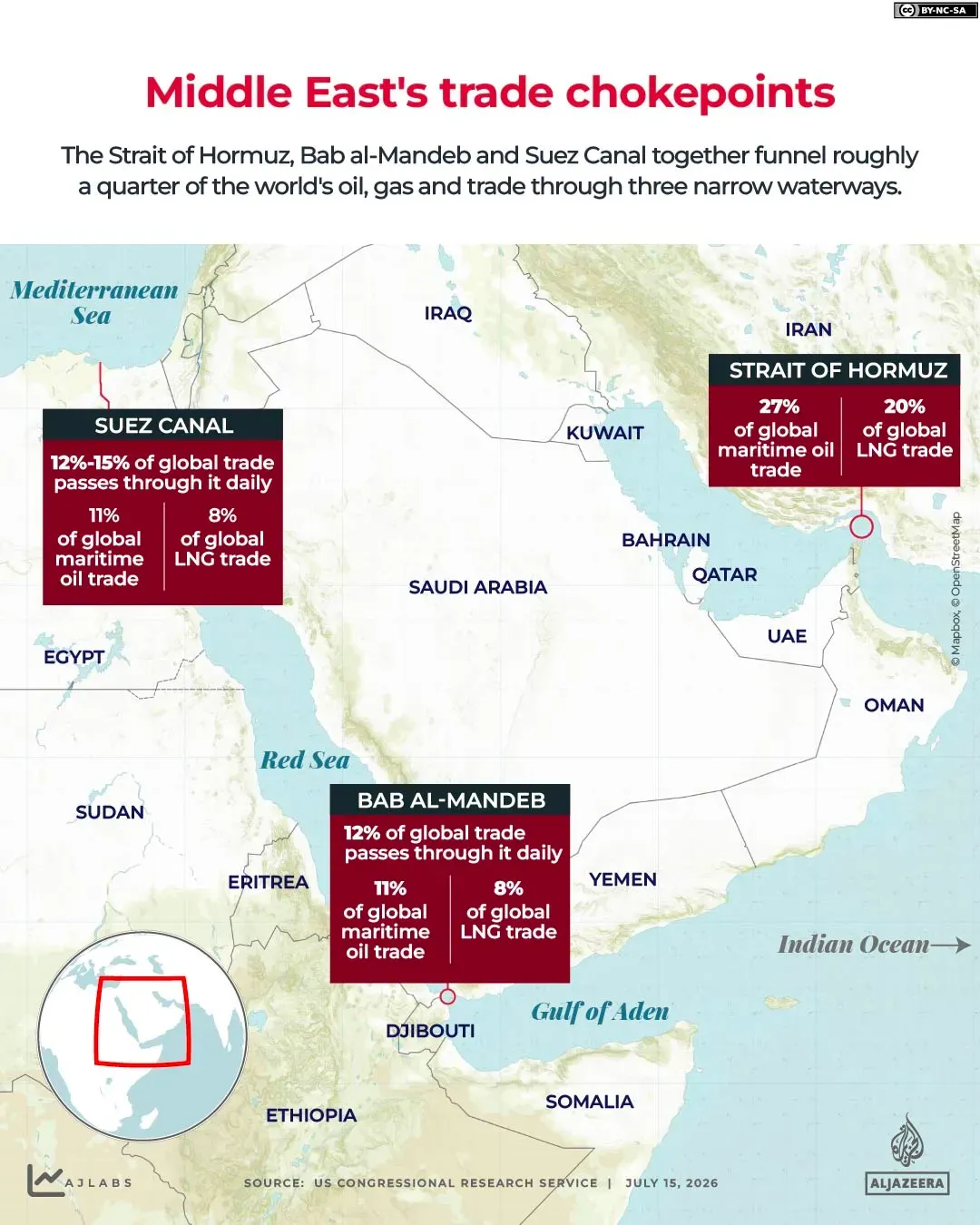
According to Badi, the Houthi strategy is designed to tighten Iran’s grip on vital maritime routes. He warned that if the rebels succeed in choking traffic through the Red Sea, the impact could mirror or even exceed the strategic consequences of the Strait of Hormuz. In response to these maneuvers, the Yemeni government has opened new military fronts in Marib, al-Jawf, and al-Bayda.
The ambassador emphasized that the threat posed by the Houthis now extends well beyond Yemen’s borders. He described the group as an armed proxy and a direct extension of the Iranian Revolutionary Guard Corps. Badi noted that Tehran’s influence is no longer hidden, as both Iranian officials and Houthi leaders openly boast about their strategic alliance.
The regional dimension of the conflict has been further highlighted by recent Houthi attacks on Saudi Arabia. Major-General Turki al-Maliki, spokesperson for the Saudi-led coalition, confirmed that the rebels targeted the cities of Abha, Jizan, and Khamis Mushait with drones and ballistic missiles on Wednesday. Badi argued that such strikes are a calculated attempt by the Houthis to rebrand the conflict as a direct war between Yemen and Saudi Arabia, rather than an internal struggle for the future of the Yemeni state.
Reflecting on the history of the conflict, Badi recalled that former President Abd-Rabbu Mansour Hadi often warned that Iranian control over the Bab al-Mandeb and Hormuz chokepoints would grant Tehran power exceeding that of a nuclear arsenal. The ambassador asserted that current events have validated these concerns.
After more than 13 years of engaging in various dialogue rounds and peace agreements—both before and after the Houthi seizure of the capital, Sanaa—the government feels that all peaceful avenues have been exhausted. Badi stated that the rebels have effectively rejected diplomacy, forcing the government to take up arms to reclaim its republic and stability.
The ambassador concluded with an appeal to the international community to support Yemen in neutralizing what he described as a growing scourge. He maintained that the Houthis do not represent the Yemeni people and that the world must recognize the reality of the group’s role as an Iranian proxy to prevent further regional destabilization. The report also notes that “It threatens the entire region and the world. The report also notes that to the north, the Red Sea leads to the Suez Canal, while farther east, beyond the Arabian Sea, lies another critical chokepoint, the Strait of Hormuz. The report also notes that he did not elaborate on any casualties as a result of the attacks. The report also notes that badi, who has spoken to the media for the first time since taking up his post, said those attacks are designed to change the nature of the war. The report also notes that “By targeting Saudi territory, civilian infrastructure in the kingdom’s south, and Saudi-linked vessels in the Red Sea, the Houthis are trying to drag Saudi Arabia into their war. The report also notes that they respond by firing missiles and drones at civilian sites in Saudi Arabia, in an attempt to inflame Yemeni public opinion and convince the outside world that Yemen is at war with Saudi Arabia”, the ambassador assessed that “every time their militias suffer heavy losses inside Yemen at the hands of the Yemeni armed forces. The report also notes that a larger regional confrontation looms, and its architect, according to Badi, is Iran, behind Yemen’s fragmented front lines. The report also notes that the official said that Tehran’s relationship with the Houthis is now impossible to hide.