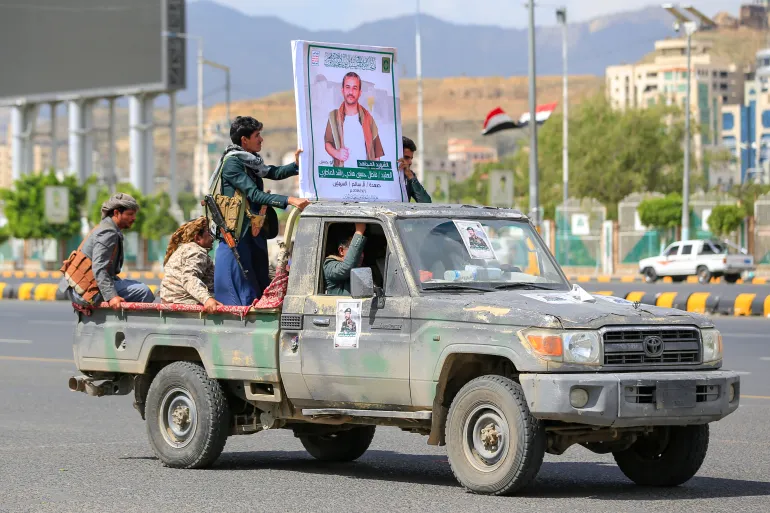







Following a rapid territorial expansion by the Iran-aligned Houthi movement, United States officials held meetings with representatives of the group at the US embassy in Muscat, Oman, over the weekend. The Houthis, having seized thousands of square kilometres in just a few days, now control strategically vital islands and large portions of Yemen’s Red Sea coastline. This maneuver has significantly tightened their grip on the Bab al-Mandeb Strait, a critical artery for global energy supplies and maritime shipping.
During the negotiations, Houthi representatives provided assurances that they do not intend to target American vessels in the Red Sea. They claimed their restrictive measures would be limited exclusively to ships associated with Saudi Arabia. Despite these promises, the situation leaves two major global shipping lanes under potential threat, given that traffic through the Strait of Hormuz has already been restricted for the past six months.
Analysts remain skeptical about the credibility of these assurances, citing the group’s ideological opposition to the US, its historical pattern of attacking commercial ships, and its close ties to Tehran. Nevertheless, some experts suggest that Washington may feel compelled to accept these claims due to a lack of viable alternatives. Any escalation in disruption risks driving global oil and consumer prices higher.
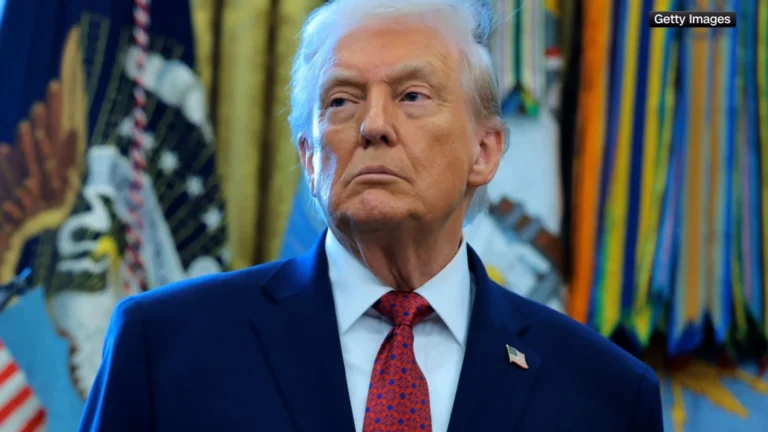
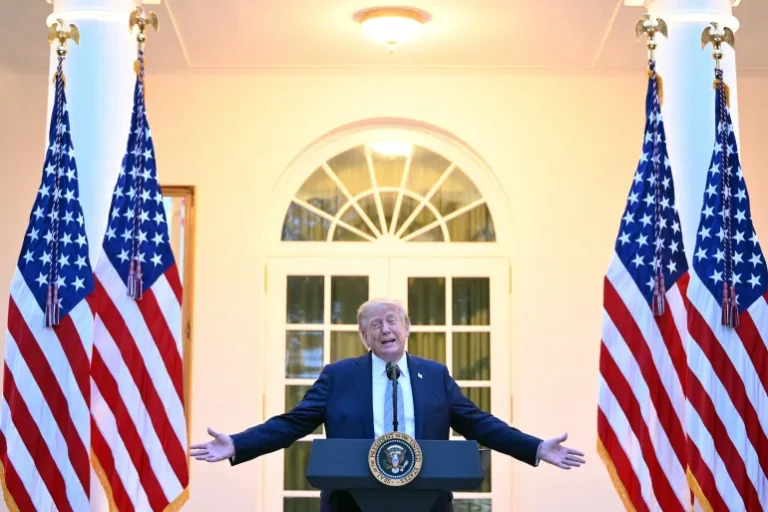
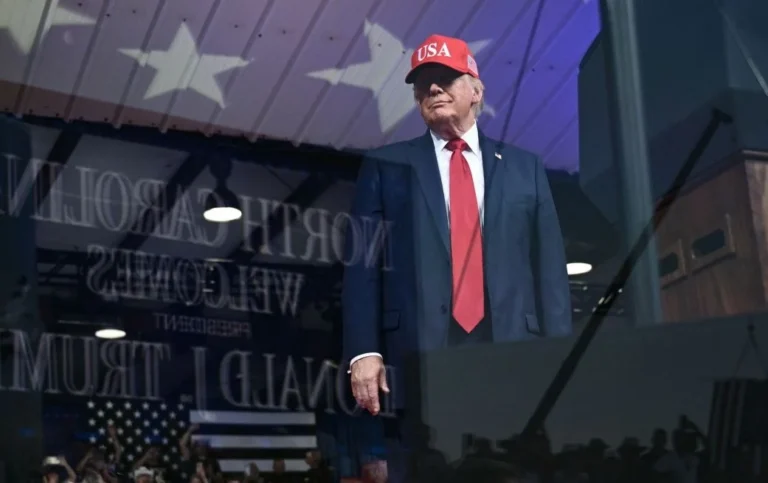
The current volatility follows reports that Saudi Crown Prince Mohammed bin Salman made two phone calls to Donald Trump last week, pressuring the US president to authorize military strikes against the Houthis. Trump reportedly declined to initiate such an operation. In an effort to coordinate, US Central Command chief Admiral Brad Cooper traveled to Riyadh for urgent discussions, signaling a desire to bolster support for Saudi Arabia without committing to direct military intervention.
While Trump attempted to appease Riyadh by referring to the crown prince as a “good friend” and promising that “everything will work out very well,” the White House has notably failed to provide explicit guarantees or specific military commitments to defend Saudi shipping or energy infrastructure. Furthermore, Axios reported that military leaders from several regional nations—including Israel, the UAE, Bahrain, Kuwait, Jordan, Egypt, and Saudi Arabia—recently participated in a private, US-convened meeting regarding these developments.
Israel has reportedly offered to assist in Yemen on behalf of the Saudis, though experts view this as unlikely given competing regional priorities. “With elections coming up [in Israel], there comes a point when there is overreach,” explained Simon Mabon, a professor of international relations at Lancaster University. “In light of Gaza, Lebanon, Syria and the West Bank – as well as the question marks over Iran – Yemen could be a bridge too far.”
This reluctance from Washington is beginning to fray the US-Saudi security partnership. Mabon noted that this represents another instance of the US failing to act as a reliable security guarantor, a perception that has pushed Riyadh to diversify its international security relationships since attacks on its oil facilities in 2018 and 2019 exposed the vulnerabilities of its reliance on the United States. Recent agreements with Turkey and Pakistan highlight this shift, as the Saudis increasingly conclude that American support cannot be assumed indefinitely.
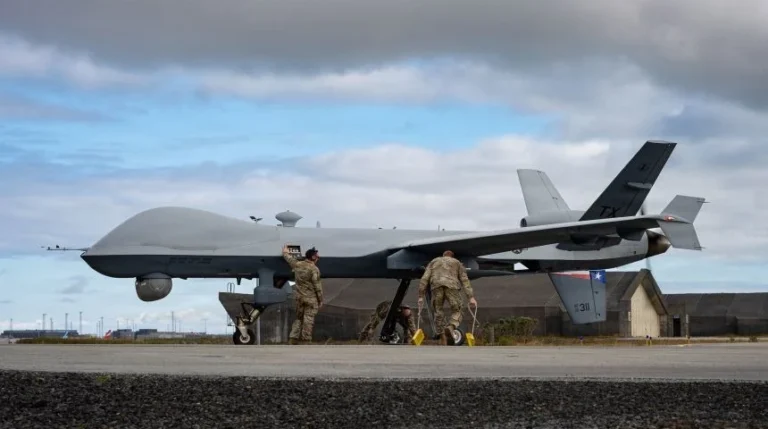
The US government’s hesitation is further complicated by the ongoing, resource-heavy war with Iran. Originally projected to conclude in days, the conflict has dragged on for over six months, depleting key munitions stocks—including Patriot interceptors and long-range missiles—and fueling domestic political concerns. A Pentagon watchdog report recently estimated the cost of the first four months of the war at $33 billion, and roughly 50 officials were recently subjected to polygraph tests to identify leaks regarding military readiness.
Domestic political pressure also looms large ahead of the November elections. Trump, having campaigned on a promise to end “forever wars,” faces a difficult environment where even a new military campaign in Yemen could prove detrimental to tight House and Senate races. Data from a Reuters/Ipsos poll suggests a lack of appetite for further conflict, with only 31 percent of Americans supporting military action against Iran, down from 37 percent in March.
“The elections in November are hugely significant,” Mabon said. “Republicans will be anxious about all of this. Opening a new front in what could potentially become another forever war would be deeply unpopular.” Ultimately, observers suggest that Washington lacks a clear exit strategy for both the conflict with Iran and the emerging crisis in Yemen, leaving the US in a precarious position. The report also notes that particularly amid the war on Gaza, because doing so could damage Riyadh’s standing and legitimacy throughout the Arab and Muslim worlds, experts also say that the Saudis may be wary of being seen to rely on Israeli military support. The report also notes that it signed a mutual defence agreement with Pakistan, stipulating that an attack on either country would be treated as an attack on both, last September. The report also notes that but could accelerate Riyadh’s efforts to build closer ties elsewhere, mabon said the latest crisis was unlikely to produce a complete break with Washington. The report also notes that the war remains unresolved, oil prices are higher and the administration has yet to set out a clear route towards ending it, more than six months later. The report also notes that down from 37 percent in March, while 83 percent expected the conflict to continue for an extended period, a Reuters/Ipsos poll published last month found that just 31 percent of Americans supported US military action against Iran.