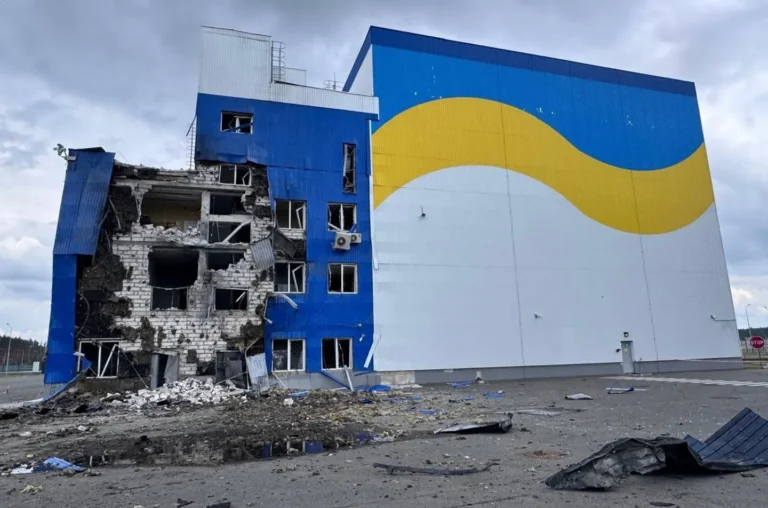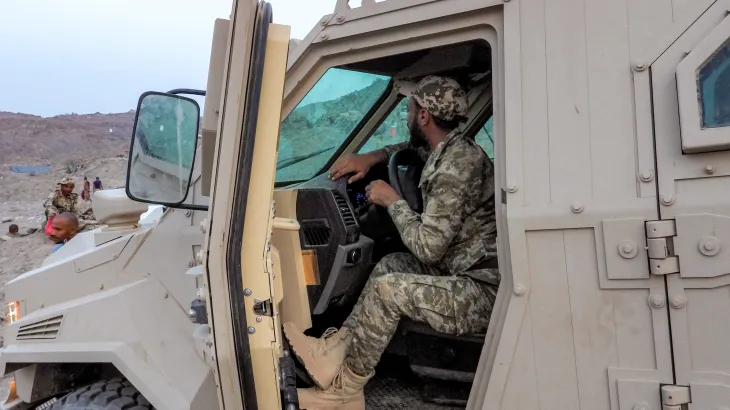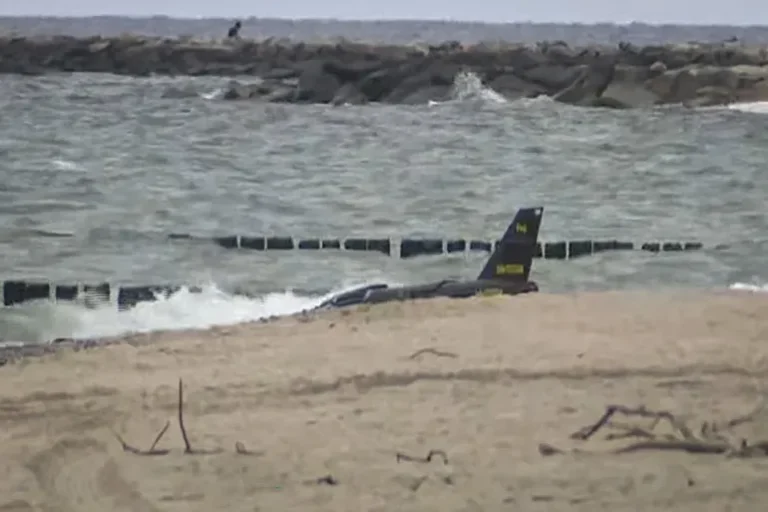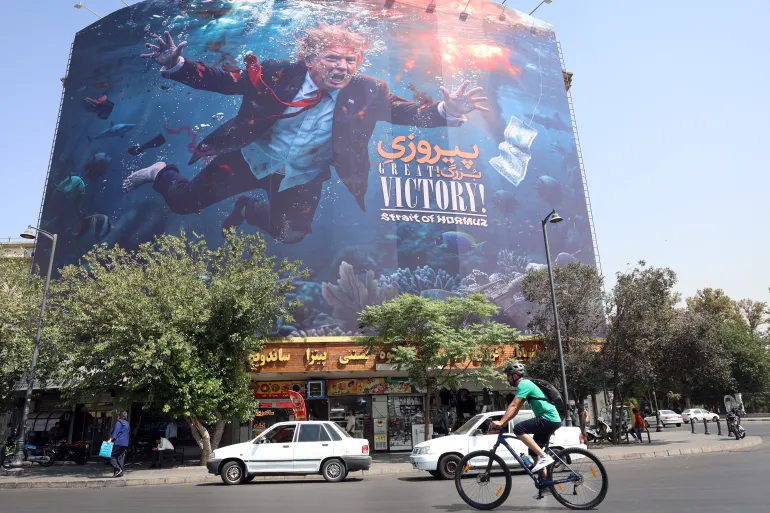






President Donald Trump has signaled a potential shift in the United States’ approach to the ongoing conflict with Iran, warning of a firm response following a recent exchange of fire. Speaking to reporters at the White House on Monday, Trump declared, “We’re going to hit them hard … there will be a response,” shortly after Iran launched missile attacks against US military sites in Jordan. These strikes were a direct retaliation for US operations conducted the previous night against Iran’s Larak Island.
The latest military activity marks the first direct confrontation between the two nations in over a month, fueling concerns that the conflict is entering a more volatile phase. While the US military reported hitting two Iranian rocket launchers allegedly intended for deploying sea mines in the Strait of Hormuz, Iranian media sources stated that three individuals were killed in the exchange. Jordan confirmed it intercepted eight missiles during the Iranian retaliation against airbases hosting US personnel.
Reports suggest the administration may be adopting a “no war, no peace” strategy, characterized by periodic, targeted strikes rather than a sustained, full-scale military campaign. This approach aims to maintain control over the region without committing to a permanent, large-scale war. Trump downplayed the risk of total escalation, asserting that the Strait of Hormuz remains in “extremely good shape” and claiming that Iran’s military, financial systems, and leadership have been significantly degraded.
The trajectory of the conflict has been inconsistent since it began six months ago. Initial hostilities involved a 40-day military campaign followed by a ceasefire. In June, Washington and Tehran signed a memorandum of understanding (MoU) intended to facilitate a 60-day peace process. However, the agreement collapsed within weeks due to ambiguous terms regarding control of the Strait of Hormuz, with both sides trading blame for the failure.
In response to the breakdown of diplomatic efforts, the US has pivoted toward an aggressive economic pressure campaign. Treasury Secretary Scott Bessent recently announced sanctions against 60 entities accused of facilitating Iranian oil sales, stating that the US intends to target all of Iran’s revenue sources. Bessent argued that Tehran’s recent military actions are a sign that the country is “lashing out kinetically because they are losing economically.” Conversely, Central Bank Governor Abdolnaser Hemmati rejected claims of economic collapse, insisting that Iran maintains sufficient foreign currency reserves.
The diplomatic landscape remains fractured. Iranian President Masoud Pezeshkian, speaking at the Shanghai Cooperation Organisation summit in Bishkek, Kyrgyzstan, stated that Iran would be willing to cease fire if the US reciprocated and fulfilled commitments made in the June interim deal. Meanwhile, Iran has largely ceased direct diplomatic engagement with Washington, maintaining limited communication only through Oman.
Analysts remain skeptical of the long-term viability of the US strategy. Trita Parsi of the Quincy Institute warned that periodic bombing campaigns effectively commit the US to a “forever war,” suggesting the administration is struggling to find a definitive military, economic, or diplomatic solution. Mohammad Eslami, a researcher at the University of Tehran, noted that the conflict stems from initial miscalculations in Washington and warned that sporadic strikes risk further regional destabilization.
Domestic pressure on the Trump administration is also mounting, with approval ratings dipping to 33 percent amid rising petrol prices and the prolonged nature of the conflict. Additionally, regional dynamics remain complex; Israeli Prime Minister Benjamin Netanyahu has reiterated his commitment to preventing Iran from acquiring nuclear weapons, despite a lack of evidence that such a program is currently active. Israel has also remained resistant to the June MoU, refusing to withdraw from southern Lebanon despite the agreement’s call for a comprehensive ceasefire across all fronts. The report also notes that so, what exactly is Trump’s strategy now, and can the US military sustain it as the war enters its seventh month. The report also notes that close to Iran’s strategic port of Bandar Abbas, the US struck military targets on Larak Island in the Strait of Hormuz. The report also notes that washington said its forces hit two Iranian rocket launchers which it claimed the Islamic Revolutionary Guard Corps (IRGC) was preparing to use to scatter sea mines into the strait. The report also notes that however, and largely fell apart because of disagreements arising from its vague wording, that deal has since expired. The report also notes that “That doesn’t mean we won’t smack them. The report also notes that followed by a ceasefire which was later extended, it began with a full-blown military campaign that lasted for 40 days.