
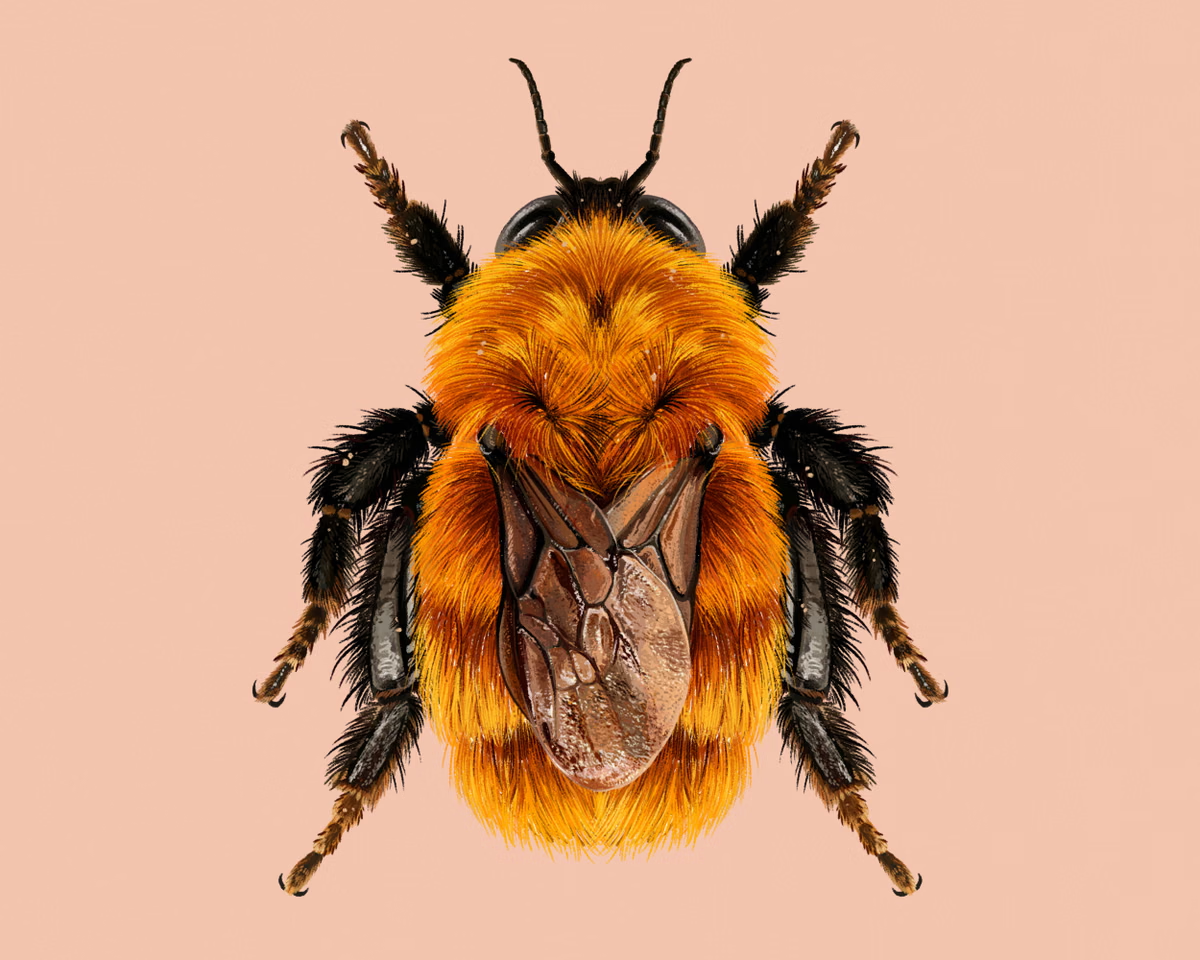









Bumblebees are widely celebrated for their industrious nature and their vital role in pollinating crops and wild plants, which sustains both ecosystems and human civilization. Among the roughly 250 known species, the Bombus dahlbomii stands out as the largest. Often called the “flying mouse,” this giant ginger bumblebee is a striking sight, with females reaching up to 4cm in length and weighing as much as 1.5g. These heavy-bodied insects are native to the temperate, forest-covered mountains of Patagonia, spanning across Argentina and Chile.
As a unique Patagonian endemic, the moscardón is a critical pollinator for native flora, including the Chilean bellflower and the Peruvian lily. While most bees struggle to perceive the color red, the moscardón possesses a specialized receptor system that allows it to identify and visit red flowers like the bellflower. Its distinctive, furry appearance is the result of long bristles that coat its thorax and abdomen, giving it a soft, mouse-like aesthetic.
Despite its ecological importance, the species is currently in sharp decline. The primary threat stems from the introduction of two non-native European bumblebees—the buff-tailed bumblebee (Bombus terrestris) and the ruderal bumblebee (Bombus ruderatus). Since their introduction to Chile in the 1980s to support commercial agricultural pollination, these invasive species have spread rapidly. They not only outcompete the native moscardón for resources but also introduce foreign pathogens and diseases that are devastating local populations.
Anton Gradišek, a researcher based in Ljubljana, Slovenia, nominated the species for Invertebrate of the Year. Gradišek is currently involved in an academic project that utilizes bioacoustics to study the endangered insect through sound analysis. Reflecting on his fieldwork, Gradišek noted, “When we were out in the field, we saw only a handful of them. Bumblebees are the pandas of the insect world, and a mascot for biodiversity conservation.”
The profile of the moscardón is part of a broader initiative running from August 3 to August 12, during which the top 10 nominated invertebrates are being highlighted. Following these daily profiles, the public will be invited to vote for their favorites. Readers interested in contributing to the conversation or sharing ideas regarding this project can reach out to the environment desk via email. The report also notes that every day we will profile one of the thousands of amazing invertebrates that our readers have nominated, from 3-12 August. The report also notes that but the moscardón visits them because it uses a special receptor system to detect and distinguish the colour red. The report also notes that the magnificent moscardón is threatened by human actions that go beyond the usual habitat loss and destruction, unfortunately. The report also notes that and then, when you’ve heard about all of them, we’ll open the voting so you can choose your favourites.