
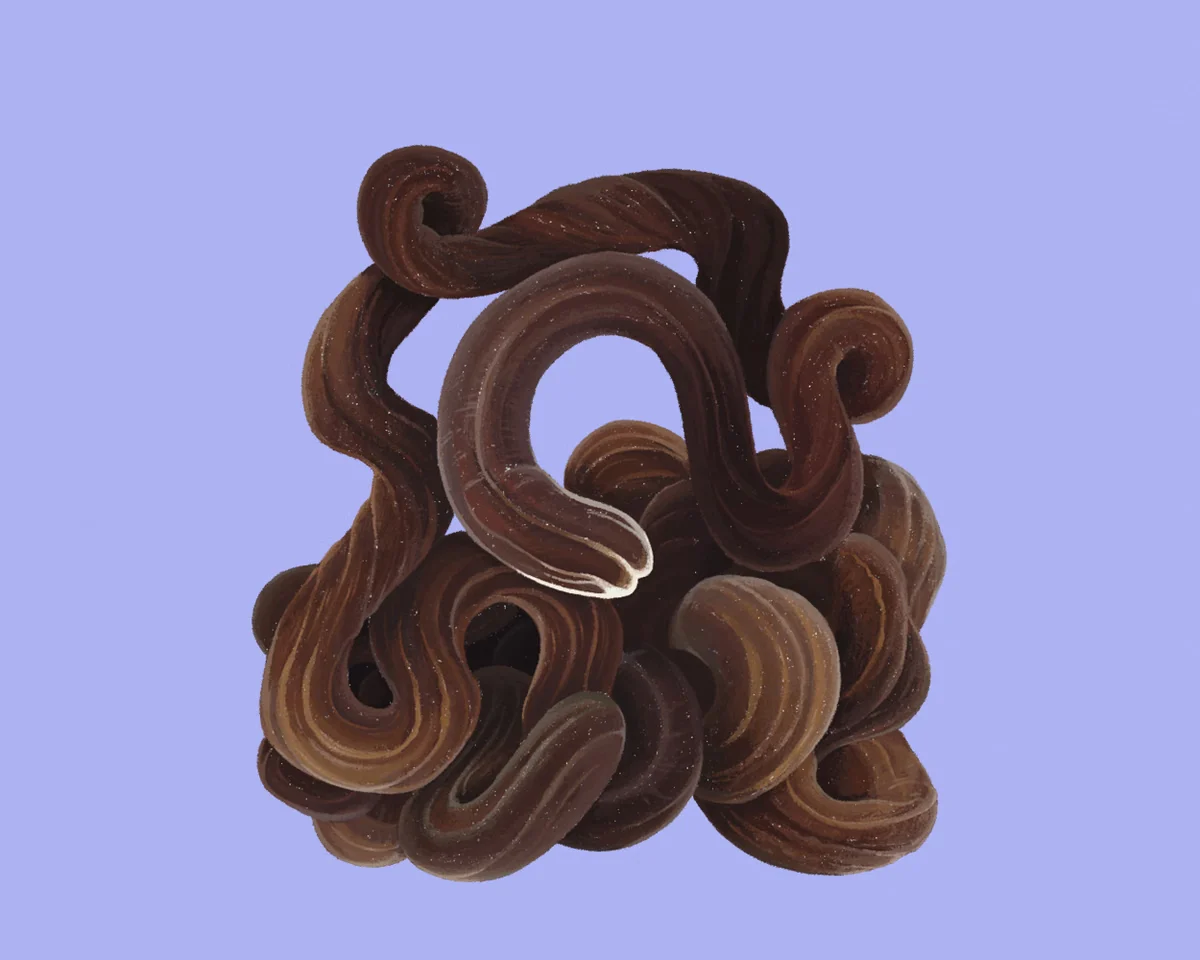









While it may seem like the stuff of nightmares to some, the bootlace worm, orLineus longissimusis gaining recognition as one of the most fascinating marine invertebrates in existence. As part of an ongoing series highlighting reader-nominated invertebrates between August 3 and August 12, 2026, this creature stands out for its extreme physical properties and unique defensive capabilities.
The bootlace worm is remarkably slender, typically measuring only 5–10mm in width, yet it possesses the ability to stretch to extraordinary lengths. While a standard specimen usually reaches about 15 metres, one individual discovered at St Andrews following a storm was recorded at a staggering 55 metres. Because the species is highly elastic, some researchers suggest that the record-breaking specimen may have been physically stretched, though its capacity for elongation remains a defining trait.
Beyond its size, the worm is known for its ability to discharge a foul-smelling, poisonous mucus when threatened. This defensive mechanism was first documented by the Swedish archbishop and naturalist Olaus Magnus in 1555. However, it was not until 2018 that scientists fully analyzed the chemical composition of these toxins, identifying them as alpha-nemertides, which are specifically designed to paralyze and kill crabs.
Recent research indicates that these toxins are also effective against cockroaches while appearing to have minimal impact on mammals. This discovery has sparked interest in the potential use of these compounds as a foundation for new, specialized insecticides. Experts suggest that the vast, under-explored invertebrate world likely holds many more medicinal and chemical secrets waiting to be uncovered.
The bootlace worm belongs to the phylum of ribbon or proboscis worms, which includes more than 1,250 described species found in environments ranging from intertidal zones to the deepest parts of the ocean. Despite being a vital and rich branch of the tree of life, these creatures are often overlooked. As a predator, the bootlace worm is highly effective, known for consuming soft-bodied annelids whole.
One reader who nominated the species described it as a “neglected but quite amazing branch on the tree of life,” praising its ability to “stretch and stretch and stretch.” They argued that the worm is a significant contributor to Britain’s coastal heritage. Following the conclusion of the profile series, readers will be invited to vote for their favorite invertebrates, with further inquiries directed to the environment desk. The report also notes that in fact, one worm, found washed ashore after a storm at St Andrews, was recorded at an incredible 55 metres in length. The report also notes that a more usual length is a mere 15 metres. The report also notes that every day we will profile one of the thousands of amazing invertebrates that our readers have nominated, from 3-12 August. The report also notes that but for a select group who admire extending ladders, giraffes and the Odyssey, one of the longest animals in the world is bound to appeal, it’s the shuddery stuff of nightmares for some.