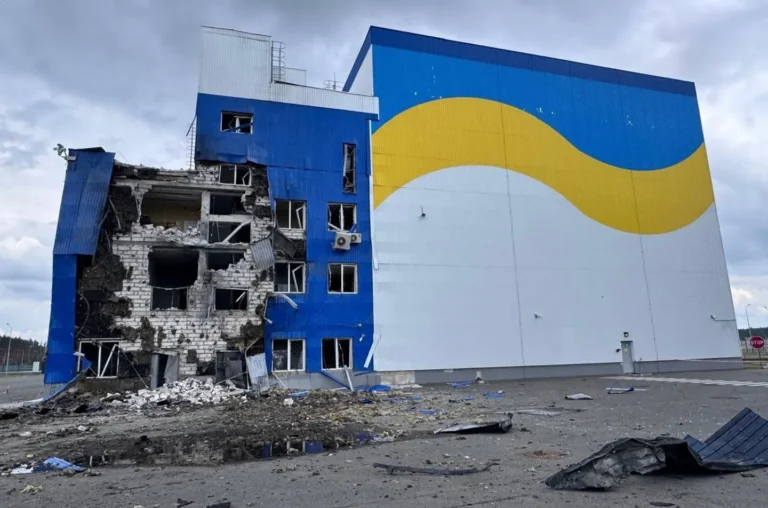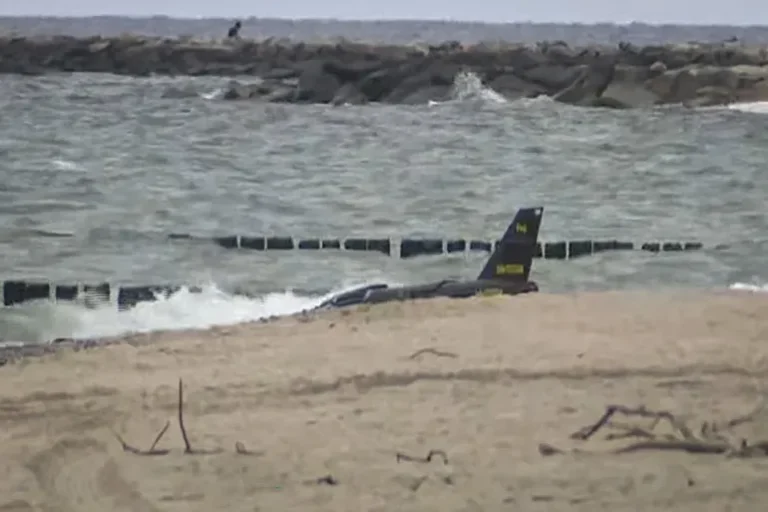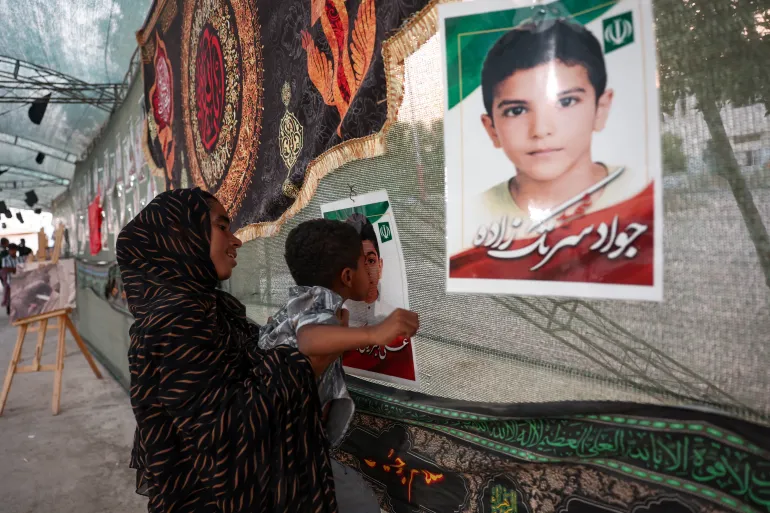







Six months have passed since the February 28 launch of missile strikes by the US and Israel against Iran, an offensive that immediately claimed the life of Supreme Leader Ayatollah Ali Khamenei and several high-ranking officials in Tehran. The operation also resulted in the tragic deaths of scores of children at a school in the region. While US President Donald Trump initially predicted the conflict would conclude within four to five weeks, the war has since expanded across multiple fronts, reaching as far as the Caspian Sea and causing an estimated 8,000 to 10,000 fatalities, alongside tens of thousands of injuries.
The US government’s stated objectives for the campaign were initially ambiguous, oscillating between claims of preemptive self-defense and various, sometimes contradictory, demands from the White House and defense officials. Despite President Trump’s assertion that the US had “obliterated” Iran’s nuclear capabilities following the June 2025 conclusion of Israel’s 12-day war, both Washington and Tel Aviv later claimed in February that Tehran remained only weeks away from developing a nuclear weapon. Current estimates suggest that while repeated strikes have severely damaged Iranian nuclear facilities, the nation is believed to still hold 440kg of highly enriched uranium.
In a June 17 memorandum of understanding (MoU), Iran formally agreed to cease pursuit of a nuclear weapon—a pledge it had previously maintained. The Trump administration had initially demanded that Iran surrender its uranium stockpile and commit to zero enrichment, though Tehran refused these terms. Clark Summers, a military veteran and professor at Belmont Abbey College, argues that the US can claim these specific ends were achieved, though he noted the difficulty in assessing how long such a status might hold before Iran attempts to rebuild. Conversely, Alam Saleh, an expert at the Australian National University, contends that Iran’s nuclear program remains intact, suggesting that the US has failed to translate its military superiority into meaningful strategic gains.
The push for regime change, which President Trump described as “the best thing that could happen” just two days before the war began, has also faced significant hurdles. Although the US successfully targeted Ayatollah Khamenei on the first day of the conflict, the Iranian political structure has remained largely stable under the leadership of his successor and son, Mojtaba Khamenei. Summers noted that the US strategy appeared improvised, emphasizing that the elimination of political leaders does not necessarily equate to long-term strategic success.
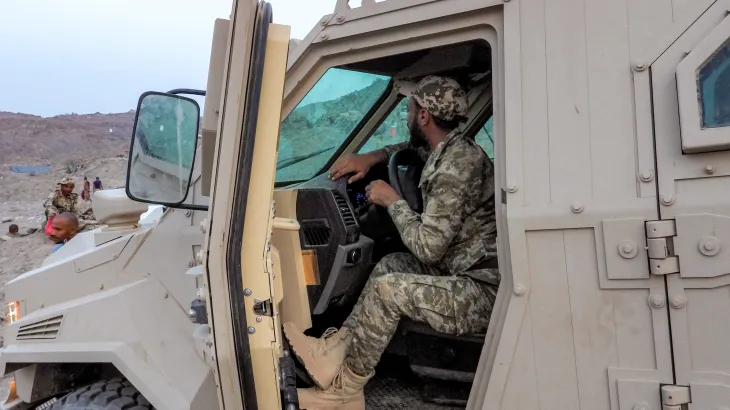
Regarding the “axis of resistance”—the network of regional groups funded by Tehran, including Hezbollah and the Houthis—there is no evidence that Iranian support has diminished. This demand was notably absent from the June MoU. Furthermore, the US goal of destroying Iran’s ballistic missile program and naval capabilities remains unfulfilled. While President Trump claimed in April that 158 Iranian naval vessels had been hit and that 82 percent of the country’s missile arsenal was destroyed, Iran continues to demonstrate offensive capacity, including a July long-range missile strike that killed three US soldiers in Jordan.
The conflict has also triggered a global oil supply crisis. Shortly after hostilities commenced, Iran effectively closed the Strait of Hormuz, the vital maritime artery for Gulf oil and gas exports. Tehran began targeting vessels in the area, prompting the US to establish a naval blockade of Iranian ports. Despite persistent demands from the White House for the strait to be reopened, Iran has maintained its position, using the waterway as a primary lever of influence. While the US recently claimed to have full control of the route, shipping activity remains at historic lows.
Economically, the US has signaled a long-term commitment to the conflict, evidenced by an August deal with Raytheon valued at $22.9 billion to increase annual production of Tomahawk cruise missiles from 60 to over 1,000. Experts suggest that the ongoing stalemate is forcing global powers like China and Russia to recalibrate their own military strategies in light of perceived US weaknesses. Ultimately, as Saleh observed, the current situation represents a failure for the US to secure its objectives, yet it does not constitute a victory for Iran, which continues to face the devastating consequences of a protracted war. The report also notes that experts say, as new alliances form and dominant ones show signs of crumbling, the conflict is also realigning the global order. The report also notes that and a jumble of sometimes contradictory statements from Trump and senior US defence officials, they include the following, according to demands presented on the eve of the war. The report also notes that although at one point appeared open to the possibility of handing the stock over to a third country, iran refused to do this. The report also notes that which requires much lower levels of uranium enrichment, iran also insisted on retaining the capacity to develop a nuclear power programme. The report also notes that later, Trump briefly floated the idea of US troops retrieving the stock by force – a potentially dangerous mission. The report also notes that in the June 17 memorandum of understanding (MoU) signed by both sides, Iran agreed not to pursue a nuclear weapon – something it had always pledged anyway. The report also notes that the MoU unravelled as its vague wording led to disagreements about what it actually stipulated. The report also notes that “The US lost even before the war,” he said, adding that the effort also shows that Washington failed in last year’s 12-day war.