








In a significant escalation of the diplomatic freeze between Moscow and Berlin, the Russian Ministry of Foreign Affairs announced on Monday that the German consulate in St. Petersburg must cease all operations by September 18. The directive requires all diplomatic personnel and staff associated with the facility to depart the country by that same date.
This retaliatory measure follows Germany’s decision last week to close the Russian consulate general in Bonn and the Russian House cultural center in Berlin. Those actions were prompted by German accusations that Moscow was responsible for a failed drone attack targeting Leipzig/Halle Airport. In response to the German closures, Russia previously ordered the shutdown of all branches of the Goethe-Institut, with staff members instructed to exit the country by this coming Sunday.
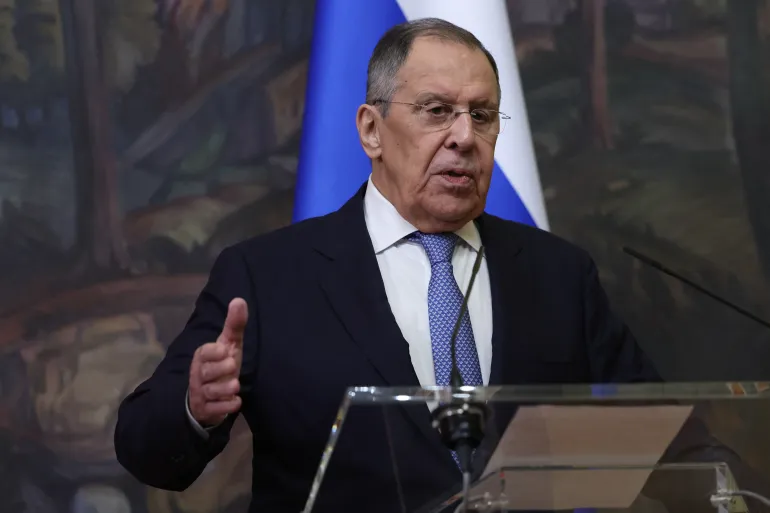
Russian Foreign Minister Sergey Lavrov publicly denounced the German allegations on Sunday, characterizing them as “the beginning of a real war.” Lavrov further criticized Berlin’s actions, comparing the closure of Russian institutions to events preceding World War II, labeling the measures “absolutely unacceptable” and accusing the German government of desiring “war again.”
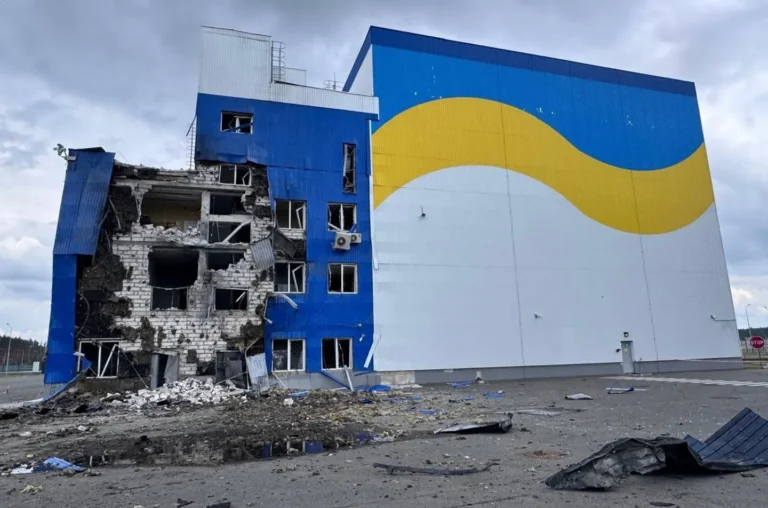
President Vladimir Putin has rejected the accusations regarding the drone incident, asserting without providing specific evidence that the claims were “planted.” The current diplomatic standoff marks a new low in bilateral relations, which have been severely strained since the onset of Russia’s invasion of Ukraine in February 2022.
Germany has established itself as a primary supporter of Kyiv, with its Foreign Ministry reporting that the nation has provided approximately $50 billion in civilian aid and nearly $67 billion in military assistance to Ukraine. President Putin has consistently condemned this Western support, viewing the deepening involvement of European powers as a direct challenge to Russian interests. The report also notes that and brings into the open the growing ill feeling between the two countries amid Russia’s war on Ukraine, the order represents a tit-for-tat move.