





Qatar’s Foreign Ministry has formally refuted claims from Tehran that it is holding three Iranian pilots in secret detention. The allegations stem from the downing of Iranian aircraft during hostilities earlier this year. On Saturday, ministry spokesman Majed Al-Ansari expressed surprise at what he described as “misleading statements” from Iranian officials, categorically denying that Qatari forces are holding any surviving aircrew.
The dispute follows a letter sent to the International Committee of the Red Cross by General Mohammad Bagherzadeh of the Iranian armed forces. In the correspondence, Bagherzadeh identified three pilots—Javad Salehi, Abdolmajid Dashtian, and Omran Behraveshian—claiming they were captured alive after their Sukhoi Su-24 bombers crashed in March. Tehran alleges these airmen have been held incommunicado for six months without access to family or diplomatic representation.
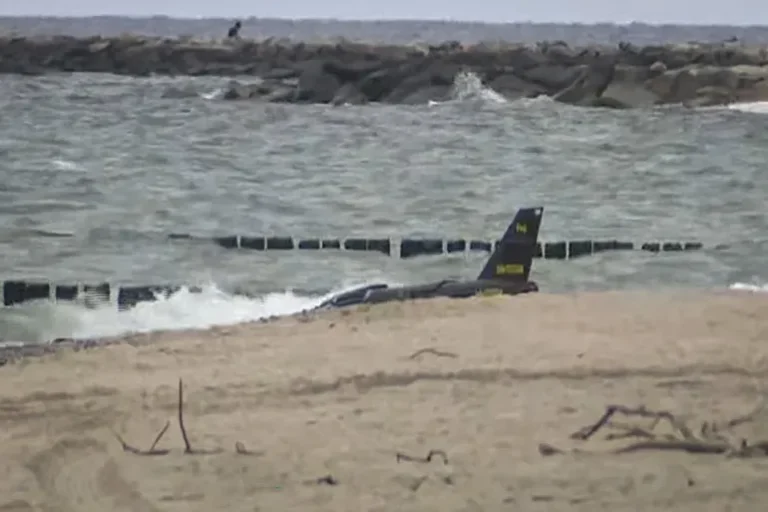
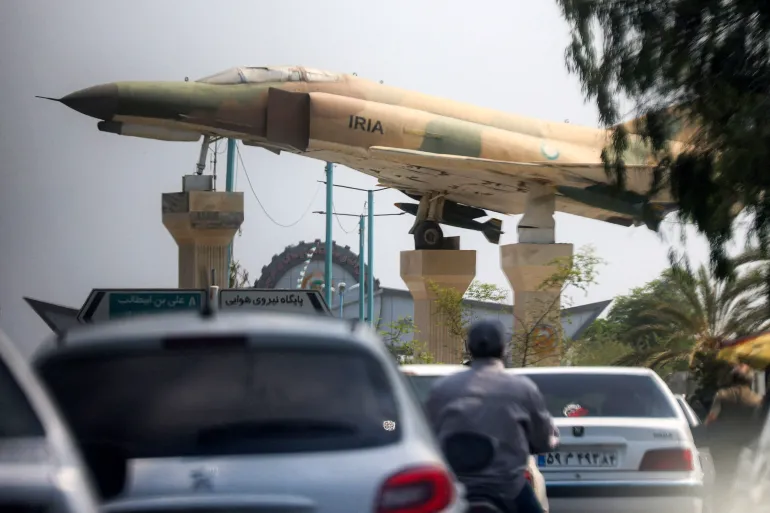
Doha maintains a different account of the March incident. According to the Qatari government, its air defense forces established contact with the aircraft after they breached Qatari airspace. After the pilots failed to respond to warnings, Qatari forces engaged the targets. While search and rescue teams later recovered the remains of one pilot, Majid Kazemi, and coordinated his repatriation with Iranian authorities, officials deny any other survivors were taken into custody.
The military engagement occurred during an attack on Al Udeid Air Base, the largest U.S. military installation in the region and home to U.S. Central Command personnel. The incident in early March marked the first time a Gulf nation reported downing Iranian aircraft during the current conflict, which saw a broader wave of retaliatory strikes following the outbreak of hostilities on February 28.
Diplomatic tensions are further strained by an approaching deadline for peace negotiations. A 60-day window established under a mid-June memorandum of understanding is set to expire this Monday. With few direct talks having taken place, maritime traffic through the Strait of Hormuz remains severely restricted. The region has seen sporadic clashes and attacks on infrastructure since a temporary ceasefire brokered by Pakistan collapsed in June.
The situation escalated further on Friday when U.S. President Donald Trump, speaking in New York, claimed Iran was being “very badly defeated” and suggested he might soon declare the Strait of Hormuz a U.S. territory. Tehran rejected these comments on Saturday. Iranian Deputy Foreign Minister Kazem Gharibabadi stated on social media that the waterway “cannot be seized with a tweet, nor with an aircraft carrier,” warning that Iran would continue its blockade until Washington accepts the “reality of defeat.” Despite this friction, Qatar remains involved as a mediator, continuing to push for a settlement between the two nations.
Iran had previously acknowledged that one pilot was killed and others were missing following their mission to Qatar, but details regarding their alleged capture had not previously been publicised.
His statement followed public demands from Tehran seeking the release of the aviators.
Although an April ceasefire brokered alongside initial mediator Pakistan temporarily halted major combat, peace framework talks collapsed in June.
The diplomatic friction comes as broader peace efforts face difficulties ahead of a key deadline.