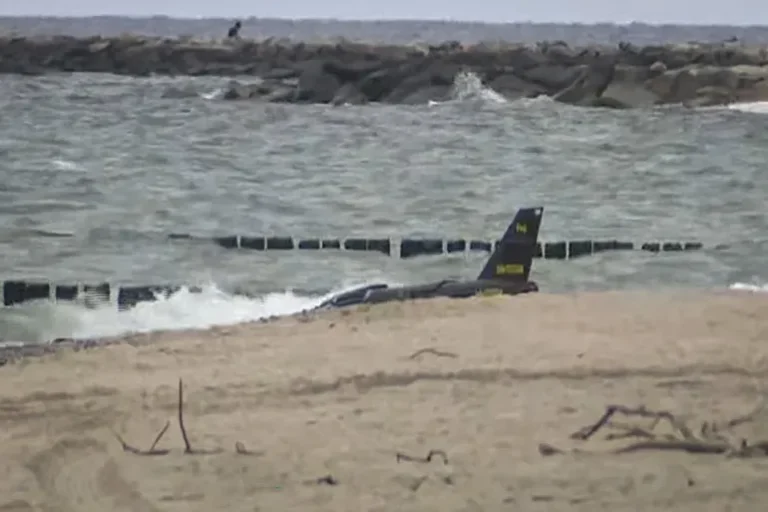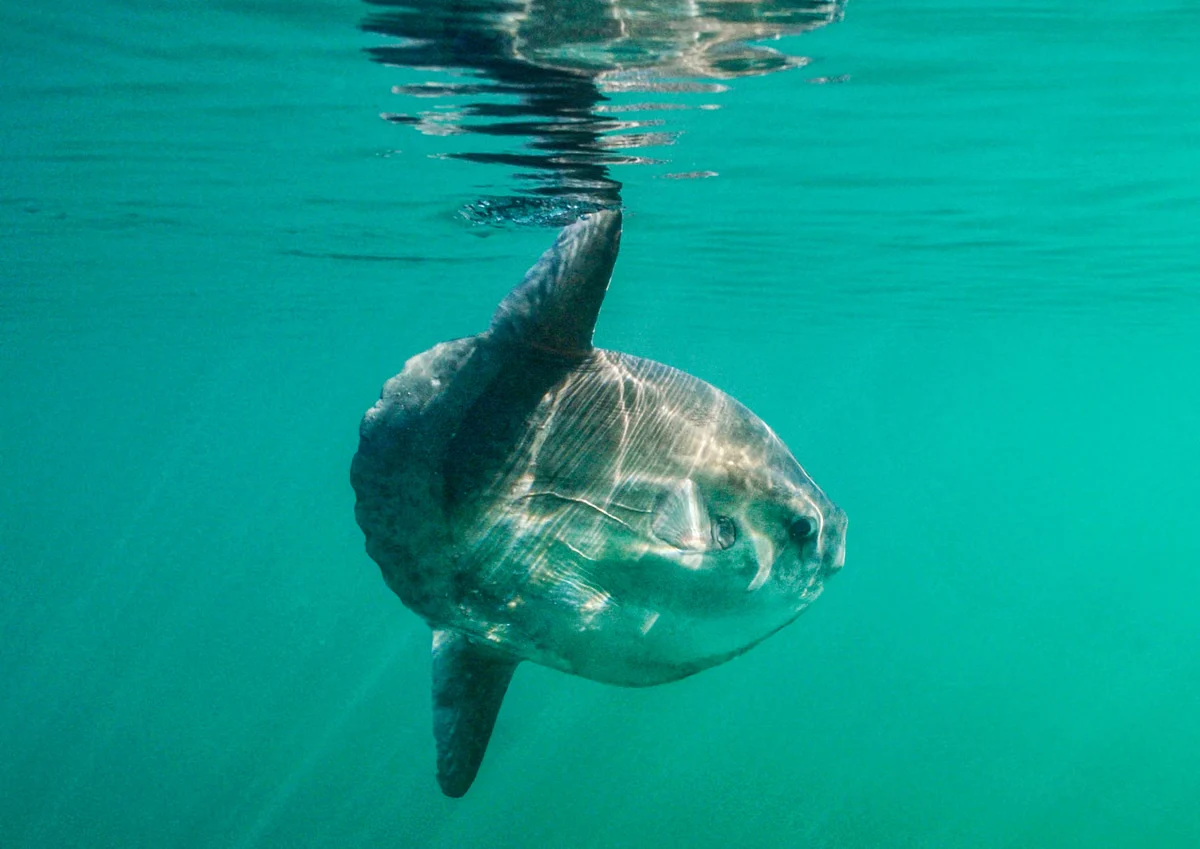









For Kurt Lander, a Brighton-based charter boat skipper, the ocean is beginning to look like a different world. While navigating the Channel shipping lane, he recently spotted a pair of sunfish flapping on their sides. Initially mistaking the movement for a person waving, Lander realized the fish were likely attempting to attract birds to feed on their parasites. Such sightings, once rare, have become increasingly frequent this summer as marine heatwaves reshape the ecosystem off the British coast.
The Met Office labeled last year as exceptional, with heatwave conditions persisting across parts of the UK’s waters for three-quarters of the year. The trend has continued into 2026, leading to a significant shift in marine biodiversity. Species are responding in various ways: some are migrating to cooler northern waters, others are dying off, and new, warmer-water species are appearing in areas where they were previously absent.
Lander has observed a stark decline in his traditional catch. He noted that he used to land hundreds of cod annually, but now he is lucky to catch one or two during the summer months. Conversely, he is seeing a rise in warm-water species like bass, comber, and triggerfish. This shift is supported by the State of the South-West Seas report, which indicates that species like sardines and anchovies are thriving in the warmer environment.
Dr. Zoe Jacobs, a senior researcher at the National Oceanography Centre in Southampton, explains that cold-water species are effectively abandoning the southern coastline for the cooler waters of Scotland. Whether this migration is a temporary response or a permanent relocation remains uncertain. Meanwhile, divers like Gio Reale in Falmouth have noticed the absence of small spotted catsharks, which typically favor water temperatures between 16C and 17C. With summer water temperatures consistently hitting 20C, these sharks have likely retreated to deeper, cooler depths.
The warming trend has also facilitated the arrival of common octopuses in Devon and Cornwall, a species native to the UK but rarely seen in such numbers. While their presence has frustrated local crab and lobster fishers—as the octopuses easily raid traps—some boats have adapted by targeting them. This surge in octopus populations may also be contributing to increased sightings of Risso’s dolphins, which feed on them.
Warmer seas are also altering the presence of jellyfish. While native moon, compass, and barrel jellyfish are common summer visitors, experts are monitoring for the potential arrival of Mediterranean mauve stingers, which would signal a more significant environmental shift. Other unusual visitors include the smalltooth sand tiger shark and the hair curler sea slug, the latter of which was first recorded in UK waters in 2025.
Scientists are also concerned about the arrival of invasive species like the sea squirt Didemnum pseudovexillum. It bears a striking resemblance to the carpet sea squirt, which is known for smothering the seabed, though researchers are still determining the potential impact of this new arrival. These changes occur against a backdrop of long-term habitat loss; the UK has lost an estimated 92% of its seagrass meadows since the 1930s, with some areas in Sussex seeing kelp forest declines exceeding 96%.
The degradation of these underwater forests is often hidden from view, unlike terrestrial wildfires. Chris Williams, founder of the Hastings Kelp Project, reports that even his controlled laboratory environment is struggling to maintain temperatures below 12C due to the heatwaves. While he is attempting to cultivate heat-resistant kelp, the broader goal of the Seagrass Ocean Rescue project is to restore 15% of UK seagrass meadows by 2030 to help protect shorelines and store carbon.
The implications for human infrastructure and industry are significant. Dr. Jacobs warns that the UK is not prepared for the potential health risks associated with harmful algal blooms, which can harbor pathogens. Furthermore, the long-term viability of cod and mackerel fisheries remains in doubt. As greenhouse gas emissions continue to drive up baseline temperatures, Jacobs warns that extreme marine events will only become more severe, potentially marking a permanent transition to a new, warmer normal for British seas. The report also notes that “Apparently, they do it as a visual attraction to birds,” he says. The report also notes that the extraordinary temperatures are causing shifts in marine life far beyond an increase in sunfish. The report also notes that “Temporarily or permanently, we don’t know,” she says. The report also notes that these small sharks – which grow no bigger than a metre and are spattered with delicate freckles – prefer water temperatures of about 16-17C (61-63F). The report also notes that “Everyone’s complaining, ‘oh, they’re taking all our crabs’,” says Reale. The report also notes that “But obviously, for the octopus, that’s just a really easy meal. The report also notes that you can just get into a trap where the crabs can’t go anywhere and eat them.”. The report also notes that with catches soaring in 2026, some boats have switched to targeting the now-abundant octopuses.