








Tehran has signaled its readiness to resume hostilities with the United States should current negotiations collapse, asserting that its forces have successfully adapted and recovered during the recent lull in fighting. While Washington continues to push for an agreement regarding the Strait of Hormuz, with President Donald Trump recently reiterating his demand for a deal or what he termed “total surrender,” Iranian authorities maintain that their military buildup has only accelerated.
Army spokesman Mohammad Akraminia stated this week that Iran has made “maximum use” of the memorandum of understanding (MoU) and every moment of the ceasefire, referring to the now-suspended agreement signed with the US in June. Akraminia noted that the military has focused on inducting existing equipment, importing new systems, and repairing damaged hardware to bolster its defensive capabilities.
The brigadier general further confirmed that new-generation drones have been deployed in active combat, with technical specifications expected to be released at a later date. These efforts align with comments from acting Defence Minister Majid Ebn-e Reza, who stated last month that missile and drone production has continued without interruption, with drone output reaching three times its pre-war levels.
Ebn-e Reza emphasized that despite the loss of senior commanders, the armed forces have maintained cohesion and surprised the enemy with their tactical speed and initiative. The Islamic Revolutionary Guard Corps (IRGC) has echoed these sentiments, with spokesman Hossein Mohebbi reporting that missile production increased during the ceasefire and that accuracy has improved through battlefield experience.
While the IRGC has not disclosed specific weapon stockpiles or the extent of damage to its infrastructure, US media reports from June suggested that Iran retained roughly 70 percent of its pre-war missile stockpile and 40 percent of its drone arsenal. This capacity suggests Tehran could sustain asymmetric warfare in the Strait of Hormuz for several more months.
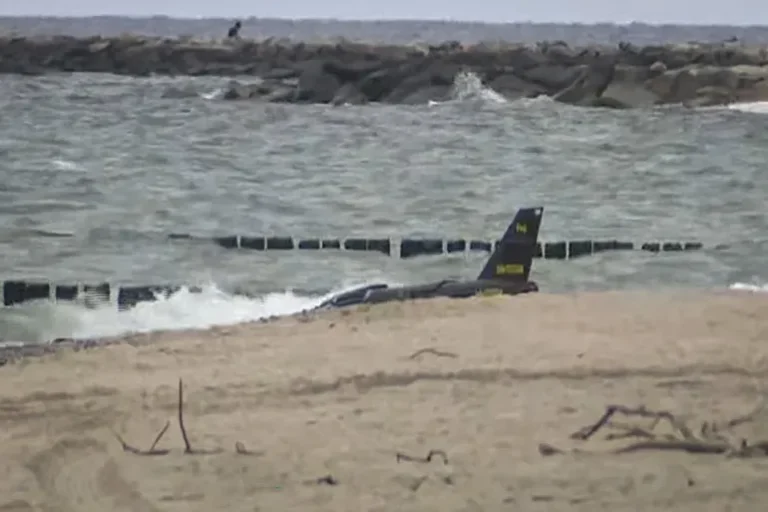
The conflict has seen thousands of sorties by US, Israeli, and regional aircraft within Iranian airspace since February 28. Despite degraded air defenses, the IRGC and the army claim to have successfully downed various cruise missiles and US-operated drones, including MQ-9, MQ-1, and one-way “Lucas” systems across southern Iran.
Regarding reports from Reuters that Iran might receive 400 Chinese-made shoulder-fired air defense launchers via Pakistan, both Beijing and Islamabad have denied the claims, while Tehran has remained silent. Former senior IRGC commander Hossein Kanani Moghaddam told Al Jazeera that US and Israeli strikes have failed to deter Iran, noting that domestic production quality and range have been significantly enhanced.
Kanani Moghaddam claimed that Iran maintains extensive stockpiles in underground facilities, which are gradually being integrated into operational lines. He suggested this resilience is a primary reason why President Trump has repeatedly canceled planned strikes on Iranian infrastructure, such as power plants and petrochemical facilities, in favor of pursuing a deal.
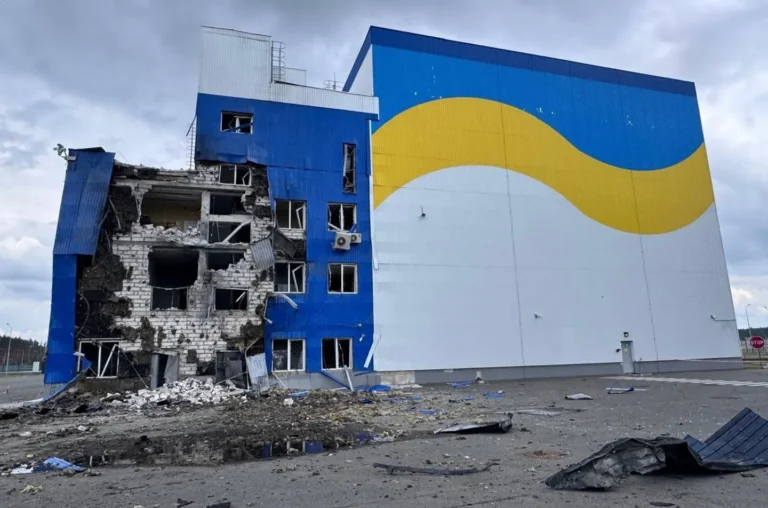
Regional tensions remain high despite the US pause in direct attacks. On Tuesday, Iran-aligned Houthi forces in Yemen claimed a successful drone strike on Saudi Arabia’s Najran Airport. Additionally, an India-flagged vessel was struck by an explosives-rigged boat near Yemen’s Hodeidah, though all 14 crew members were safely rescued.
Maritime incidents continue in the Strait of Hormuz. On Monday, a Liberian-flagged bulker sustained engine room damage after being hit by an unidentified projectile 20 nautical miles northeast of Khasab, Oman. Meanwhile, overnight reports indicated explosions and fire near the Kuwait-Iraq border, with some sources suggesting Iranian drone activity against a US base, though officials have yet to confirm these details.
Iran has implemented a policy of allowing some vessels to transit its territorial waters, with Iraq’s Oil Ministry confirming that tankers carrying Iraqi crude passed through following coordination with Tehran. Conversely, Iran has warned that the southern route through Omani waters remains unsafe for commercial traffic under current war conditions.
Concluding his assessment, Kanani Moghaddam asserted that the US cannot fully dismantle Iran’s military infrastructure due to its decentralized nature. He warned that even if a US ground assault were to temporarily occupy southern Iranian islands, the operation would prove costly, and Iran would eventually retake the territory, insisting that the Strait of Hormuz will not be reopened through military force alone.
But the Islamic Republic has said while talks are ongoing with Oman and other mediators to end the US-Israel war on Iran, work on boosting military strength has only intensified.
Meanwhile, manned and unmanned aircraft operated by the US, Israel and a number of regional countries have carried out thousands of sorties inside Iranian airspace since the start of the war on February 28, while some ha
Iran’s air defences have been degraded, but the IRGC and the army have reported shooting down cruise missiles, as well as MQ-9, MQ-1 combat and surveillance drones and the one-way “Lucas” drones of the US Army across sou
But he did not provide any figures.
Meanwhile, manned and unmanned aircraft operated by the US, Israel and a number of regional countries have carried out thousands of sorties inside Iranian airspace since the start of the war on February 28, while some have been spotted or shot down.
China and Pakistan rejected the report, while Iran did not comment.
Our previous missiles have been improved in terms of range and warhead destructive power,” he said.
Trump then abruptly cancelled the strikes and raised the prospects of a fresh deal, repeating his pattern over recent months.
But while the US halt to attacks has positively impacted global oil prices and US stocks in the short term, tensions across the region continue.
An India-flagged cargo vessel was also struck by an explosives-rigged boat and was reported to be sinking some 13 nautical miles (24km) north of Yemen’s Hodeidah in the Red Sea.
“Our missile capabilities have been distributed across this vast country.
Missile components are being manufactured in places where they can’t even imagine,” the former IRGC commander said.