






Iranian authorities are asserting that the country can maintain economic stability through domestic production, even as new United States sanctions intensify the six-month-long conflict between the two nations. Government officials have signaled a shift toward a two-year strategy aimed at bypassing international restrictions, with Economy Minister Ali Madanizadeh stating on state television that the country is prepared for the challenge.
“We have our own tools and we also know the game,” Madanizadeh remarked, emphasizing Iran’s long-standing experience in circumventing sanctions. He expressed confidence that Tehran could potentially “go on the offensive” in a shifting global landscape where the US is no longer the sole dominant force, suggesting that many nations may resist President Donald Trump’s directives to sever ties with the Islamic Republic.
The economic strain is evident, as Central Bank Governor Abdolnasser Hemmati confirmed to business leaders that oil exports—the nation’s primary source of foreign currency—have nearly ceased. However, Hemmati maintained that the central bank holds sufficient cash reserves in inaccessible locations to fund essential imports. While he admitted to severe challenges, including rampant inflation and diminished purchasing power, he insisted that the current hardship is distinct from the total collapse the US seeks to engineer.
The government is bracing for a difficult year ahead, with spokesperson Fatemeh Mohajerani warning that conditions are unlikely to improve in the near term. Transparency regarding the economic toll remains limited, as the Supreme National Security Council must authorize the release of official poverty data. On the open market, the national currency recently hit a record low of 2.05 million rials against the US dollar before seeing a minor recovery.
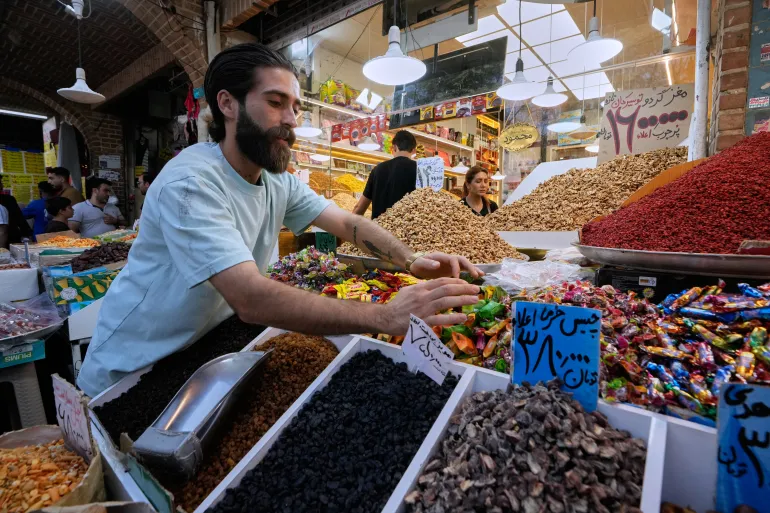
Strategic planning is now heavily focused on self-sufficiency. Security chief Mohsen Rezaei has encouraged younger citizens to engage in domestic manufacturing to meet household needs. Agriculture Minister Gholam-Reza Nouri announced plans to increase domestic food self-sufficiency from the current 85 percent to 90 percent in the short term, with an ultimate goal of full independence. Currently, Iran imports approximately $16 billion in agricultural goods while exporting $8 billion, though trade has been disrupted by the war.
The United Nations Food and Agriculture Organization noted in March that rising costs and logistics issues are driving food inflation, which reached 128 percent in July compared to the previous year. Furthermore, the country faces a pharmaceutical crisis; while the government claims 97 percent of medicine is produced domestically, parliament health committee spokesperson Salman Eshaghi reported in May that shortages exist for nearly 1,000 types of medication.
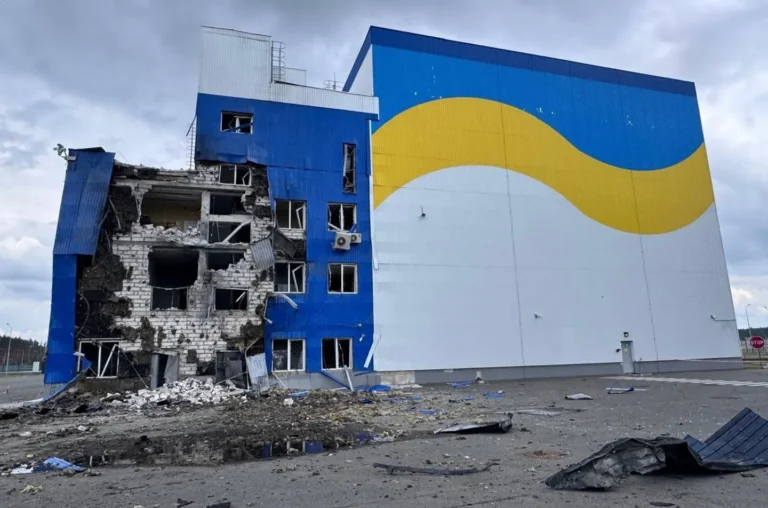
Infrastructure damage from US and Israeli airstrikes on oil, gas, and utility facilities has compounded existing energy shortages. Residents across the country are experiencing daily power blackouts, and officials anticipate further natural gas deficits as winter demand approaches. Fuel distribution has also become a point of tension, with recent shortages causing long queues at petrol stations in cities including Tehran, Mashhad, and Karaj.
To mitigate further instability, the National Iranian Oil Refining and Distribution Company plans to launch two new refineries by late March, which are expected to boost production by 12 million liters per day. Meanwhile, government spokesperson Mohajerani confirmed that fuel prices and quotas will remain steady until September 22. Despite these measures, economist Sadegh Alhosseini warned on Tuesday that the government may soon face the “painful” necessity of raising fuel prices to prevent widespread social unrest and the economic chaos seen in other nations. The report also notes that the government has also been forced to resort to rationing energy in one of the most resource-rich countries in the world. The report also notes that but said, “enduring hardship is very different from collapse and what the US is after”, hemmati acknowledged “serious issues” like runaway inflation and constantly declining purchasing power for the people. The report also notes that government spokesman Fatemeh Mohajerani told state-linked media on Tuesday, iranians must not expect conditions to get any better over the next year. The report also notes that despite the turmoil, Iran’s newly-appointed security chief Mohsen Rezaei urged younger Iranians during a state TV interview earlier this week to “enter the economy” and begin manufacturing goods needed by their households and communities at home. The report also notes that with national development plans repeatedly emphasising “self-sufficiency” and setting targets to achieve it at great cost, that mentality has permeated the Islamic Republic’s strategic thinking for decades. The report also notes that the government claims that Iran can produce 85 percent of its agricultural products domestically, even as concerns remain over what the increase in domestic agricultural production means for Iran’s dire water scarcity problems, to reduce its reliance on food imports for a population of around 90 million. The report also notes that including wheat, maize, rice and vegetable oils, iran relies on imports for essential foods and feed commodities.