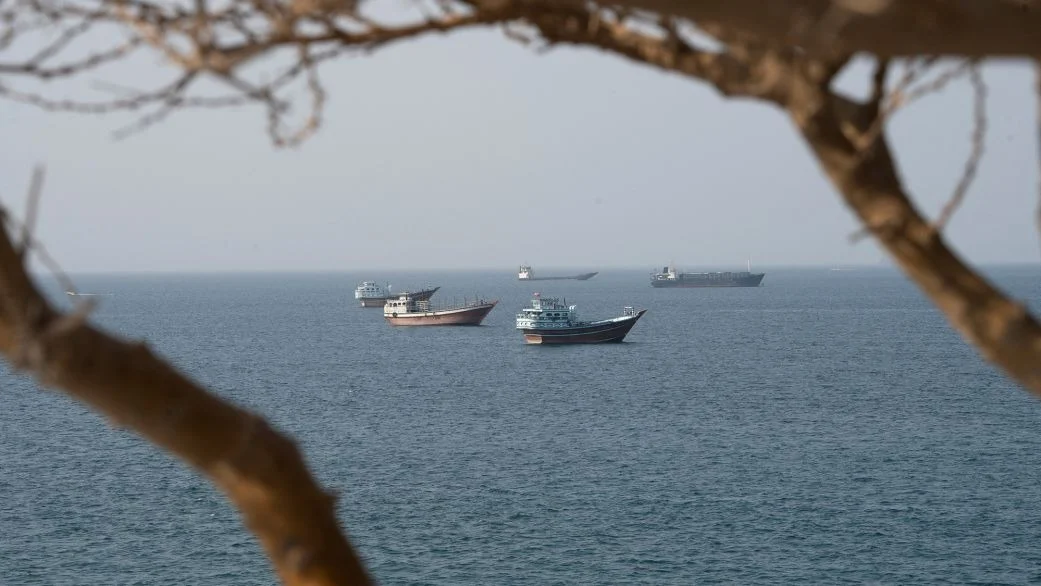







The ongoing conflict surrounding the Strait of Hormuz has become a central theater of the Iran war, characterized by months of contradictory claims from both Tehran and Washington. While both nations have asserted dominance over the waterway, recent data indicates a shifting reality: the United States is gaining influence through its naval patrols, while Iran’s ability to dictate traffic through the critical maritime corridor is visibly diminishing.
According to data from Kpler, which monitors satellite imagery and transponder signals, more than 80% of vessel transits over the past two weeks have utilized the Omani route. This UN-authorized shipping channel is one that Iran has vehemently opposed. Homayoun Falakshahi, head of crude oil analysis at Kpler, noted that it increasingly looks like Iran has at least partially lost control of the strait. This represents a significant reversal from just a month ago, when the Omani route saw virtually no traffic.
Iran has previously attempted to assert authority by attacking dozens of vessels attempting to bypass its preferred northern coastal route. Despite these risks, most operators are now choosing to ignore Iranian demands, opting instead for the security provided by U.S. naval forces. This shift has effectively neutralized Iran’s ability to collect tolls, a practice it had engaged in during the spring. Although a Memorandum of Understanding between the U.S. and Iran expired this week, theoretically allowing for toll collection, Kpler reports that Iran has been unable to enforce such demands.
Industry experts suggest that the move toward the Omani route is a pragmatic response to the current security landscape. Dan Pickering, founder and chief investment officer at Pickering Energy Partners, stated that Iran’s request to collect tolls is something that most Middle East stakeholders do not want to do and have not been doing, making the Omani route the most logical choice. Pickering added that if Iran’s goal was to be in charge, they were never fully in control to begin with, though he noted their primary objective remains deterrence.
Logistical maneuvers have further complicated the tracking of oil flows. Andy Lipow, president of Lipow Oil Associates, explained that nations like Kuwait, Saudi Arabia, and the United Arab Emirates have chartered Very Large Crude Carriers to move oil out of the Persian Gulf, transferring cargo to customer tankers outside the danger zone in the Gulf of Oman. To avoid detection, many ships have disabled their transponders for extended periods, creating a segment of dark traffic that is difficult to monitor through traditional means.
Despite these challenges, U.S. military presence has allowed for more comprehensive monitoring of the waterway. Energy Secretary Chris Wright reported last week that combined oil transits—both through the strait and via rerouted paths—reached approximately 15 million barrels per day over a one-week period. This figure is significantly closer to the pre-war average of 20 million barrels than previous estimates suggested. Following these reports, President Donald Trump declared on Monday that the U.S. maintains total control over the strait, a claim he has repeated throughout the conflict.
However, the situation remains fluid. While the U.S. asserts dominance, oil flows remain below pre-war levels, and Iran continues to engage in deterrence efforts. Furthermore, Oman and Iran are currently holding discussions to restore freedom of navigation without U.S. involvement, a development that has drawn criticism from President Trump. While the impact of these talks on future traffic remains uncertain, analysts like Lipow suggest that while all headlines should be taken under advisement, it is fair to conclude that Iran’s grip on the strait has partially slipped. The report also notes that both Iran and the United States have claimed the upper hand – and the competing rhetoric has caused considerable confusion and doubt, over the past several months. The report also notes that according to Kpler, but it doesn’t appear the country has been able to. The report also notes that they’ve turned their transponders off, often for weeks on end, to evade Iran’s attacks.