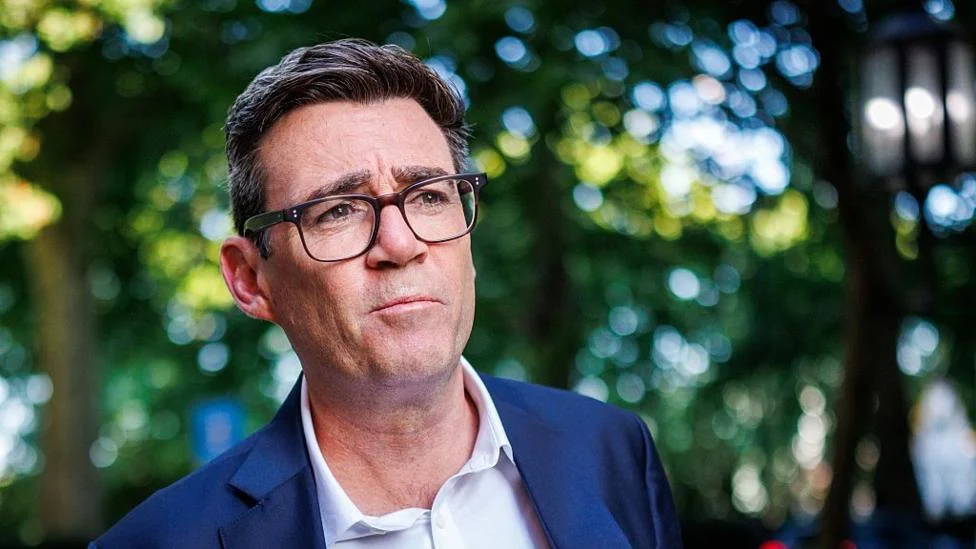








Prime Minister Andy Burnham has called for a fundamental “culture shift” in the UK’s approach to business, emphasizing that the government must actively back those who take risks. The comments precede a major engagement at Downing Street, where Burnham is scheduled to host senior executives from some of the nation’s largest companies, including BP, Shell, HSBC, Morrisons, Sainsbury’s, BT, Vodafone, and Rolls-Royce.
Ahead of Monday’s private summit, the Prime Minister stated his goal is to provide people with the confidence that any great idea will be supported from inception to reality. He argued that when local leaders are empowered and the government works as a genuine partner for growth, the country can successfully secure investment, foster job creation, and improve local communities.
Despite this vision, the current Labour administration has faced criticism regarding increased financial burdens on firms. Opponents point to changes involving employer national insurance and minimum wage adjustments implemented under the tenure of his predecessor, Sir Keir Starmer, as factors that have inflated operational costs.
Conservative shadow business secretary Julia Lopez argued that the path to growth lies in tax cuts rather than current policies. She asserted that recent measures, which she labeled a “jobs tax” and a rise in red tape, have been detrimental to the market, leading to reduced investment and fewer employment opportunities.
The government’s economic agenda faces a challenging backdrop. While official data recently highlighted a surprise boost in the economy for July—partially fueled by artificial intelligence investment—experts warn that growth is likely to decelerate as high energy prices persist. These price surges, exacerbated by the conflict involving the US, Israel, and Iran, continue to affect both businesses and households.
These inflationary pressures have increased concerns that central banks may keep interest rates elevated. Concurrently, the UK is grappling with high government borrowing costs, with yields for 10-year bonds currently exceeding those in Japan, France, and the United States. Analysts attribute this to a lack of investor confidence stemming from years of political volatility, including frequent changes in prime ministers and sudden policy reversals.
Chancellor John Healey acknowledged the strain of these “historic high” borrowing costs during an interview last week, while simultaneously urging a restoration of national confidence. As the government seeks to balance fiscal stability with the need for investment, the upcoming reception with local leaders and corporate heads serves as a critical test for the administration’s stated commitment to making every part of Britain better off. The report also notes that ahead of the meeting, Burnham said he would give people “the confidence that if they have a great idea, they’ll get all the support they need to bring it to life”. The report also notes that the meeting comes as higher borrowing costs in the UK and other countries present problems for governments looking to spend money on business support or investment. The report also notes that which has fed through to higher energy and fuel prices, affecting households and businesses, the US-Israel war with Iran has led to a sharp jump in oil prices. The report also notes that however, many argue the UK has a particular problem with high government debt.