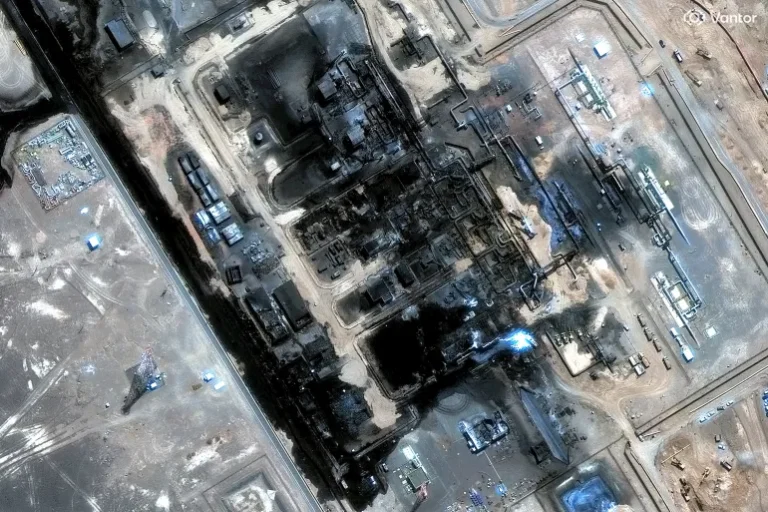

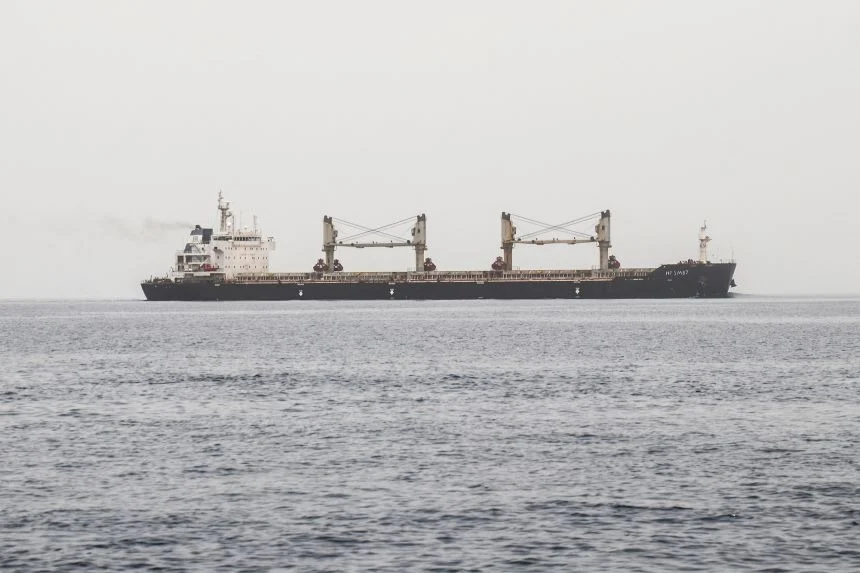









The Bab al-Mandeb Strait, a vital maritime artery connecting the Red Sea to the Gulf of Aden, is facing an unprecedented security crisis. Over the past 48 hours, Iran-backed Houthi rebels have significantly escalated their control over the region, reportedly capturing the port city of Mocha and the strategic Perim Island. This escalation marks a dangerous turn in the ongoing conflict, which has already seen months of instability in the area.
This waterway has become a critical lifeline for global energy supplies since the US-Iran war effectively closed the nearby Strait of Hormuz. Before that closure, the Strait of Hormuz handled roughly 20 million barrels of oil daily, accounting for one-fifth of global supply. As that route became untenable, Saudi Arabia shifted its crude exports to the Red Sea port of Yanbu. At its peak, Yanbu facilitated the export of 4.5 million barrels per day, with approximately 3 million barrels passing through the Bab al-Mandeb.
However, the Houthi threat has caused these flows to plummet. Richard Bronze, co-founder of Energy Aspects, noted that Saudi crude shipments through the strait collapsed to roughly 400,000 barrels per day in August and have since declined further. “The Bab al-Mandeb had been a lifeline. Losing that lifeline has been a wake-up call for the oil market of how unsustainable the situation now is,” Bronze stated.
The disruption is forcing tankers to undertake significantly longer, costlier voyages. To avoid the danger zone, many vessels are now rerouting around the southern tip of Africa, an epic detour that adds approximately one month to transit times. This shift has triggered a surge in freight costs and is driving up global oil prices. On Thursday, Brent crude and WTI both climbed over 7% to reach $108 and $103 per barrel, respectively—the highest levels since May.
Johannes Rauball, a senior crude analyst at Kpler, attributed the price surge to a combination of Red Sea shipping disruptions, Saudi production cuts, and Ukrainian strikes on Russian energy infrastructure. “With no quick resolution in sight and these disruptions set to persist, refiners are increasingly being pushed to secure additional crude, which is pushing crude prices higher,” Rauball explained. This volatility is also impacting the US, where diesel prices—essential for powering the global economy’s transport infrastructure—surged over 50% since the war began, topping $6 a gallon for the first time on Friday.
The current instability follows a pattern of aggression that began in late 2023, when the Houthis started targeting commercial vessels in retaliation for the war in Gaza. Peter Sand, chief analyst at Xeneta, estimates that vessel transits through the strait have dropped by 60% to 70% since the attacks commenced. Following the most recent flare-up in fighting, transits have declined by an additional 46%.
While shipping companies are experienced in navigating high-risk environments and are unlikely to abandon the route entirely, the threat remains severe. Sand emphasized that every vessel traversing the area remains a potential target. As energy prices continue to climb, the resulting inflationary pressure is raising concerns about potential interest rate hikes, which could further increase borrowing costs for consumers worldwide. The report also notes that “We’ve seen a lot of refineries in Asia going out and searching for alternatives, so they’re bidding up oil cargoes in other regions, and that is the big driver of why oil prices have been rising so sharply,” Bronze said. The report also notes that a narrow waterway located at the mouth of the Red Sea between Yemen and Djibouti has provided an escape hatch for a sizeable chunk of the Middle East’s oil. The report also notes that fueling inflation by adding delays and costs onto already-elevated shipping rates, it will also need to take much longer routes. The report also notes that senior crude analyst at Kpler, said that a confluence of factors – Red Sea shipping disruptions, oil production cuts by Saudi Arabia and Ukrainian strikes on Russian energy infrastructure – had pushed global oil prices past $100 a barrel, johannes Rauball.