
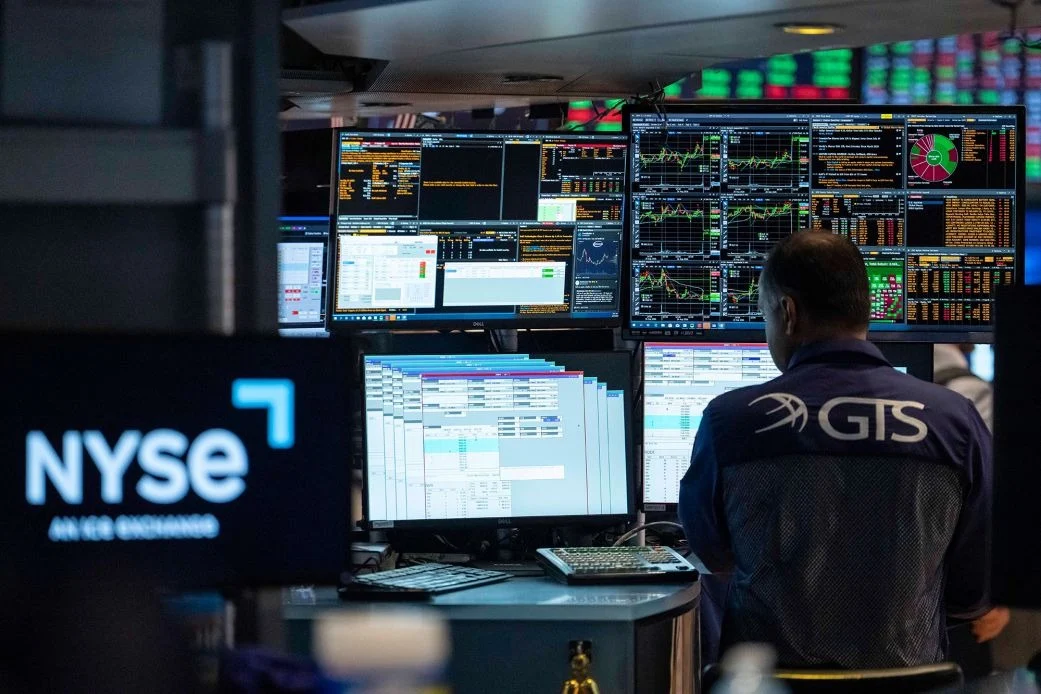









The global economy is facing significant instability as the US bond market—often considered the most critical financial arena—exhibits signs of distress. Persistent inflation, the ongoing conflict with Iran, and a massive $40 trillion US national debt are converging to drive up borrowing costs. On Wednesday, the yield on the benchmark 10-year Treasury reached its highest level in nearly three years, signaling increased pressure on the government to finance its obligations.
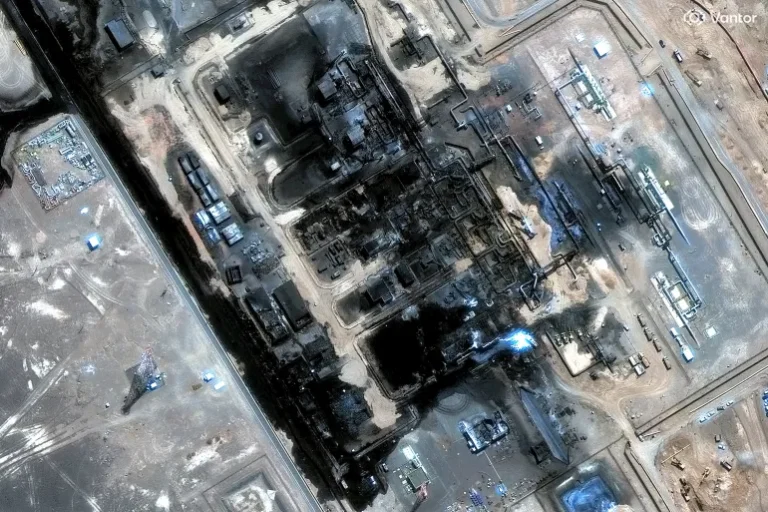
The conflict with Iran, which has extended well beyond the initial projections of a few weeks, continues to disrupt energy supplies in a vital region. This has led to sustained spikes in the cost of oil, gasoline, diesel, and jet fuel. According to AAA, the past month marked the most expensive August for gas prices in US history, while diesel costs have surged 51% since the hostilities began. As Hardika Singh, an economic strategist at Fundstrat, noted, there appears to be no immediate end to the inflation, the war, or the deficit in the near term.
This volatility is not confined to the United States. Germany’s 10-year yield recently reached levels not seen since 2011, while the UK’s 30-year yield hit its highest point since 1998. Japan, which has long avoided inflation, saw its 10-year government bond yield cross 3% for the first time since 1996. These rising yields are creating a challenging environment for stocks, as investors increasingly view higher-yielding bonds as a safer alternative to equities, particularly in the tech sector.
The fiscal burden is further exacerbated by the costs of the war, which are largely unbudgeted. The United States has already spent $931 billion on net interest during the current fiscal year, surpassing the $804 billion allocated for national defense. Projections from the Peter G. Peterson Foundation indicate that US spending on net interest could exceed $16 trillion over the next decade. The foundation warned that these figures are conservative and could climb further if interest rates continue to rise.
Market competition for capital is also intensifying as tech companies pour trillions into artificial intelligence infrastructure, further crowding out government borrowing. In an attempt to stabilize the market last month, Treasury Secretary Scott Bessent introduced a plan to double Treasury buybacks. However, the intervention was widely viewed as a failure. Singh described the move as a flop that may have worsened sentiment by signaling official concern. JPMorgan’s chief global strategist, David Kelly, argued that such measures fail to address the structural issue of sky-high deficits, noting that the government cannot stop this trajectory without fundamental changes to its debt management.
Investors are now looking toward the Federal Reserve for a potential shift in policy. While Fed Chairman Kevin Warsh has signaled a greater openness to raising rates, analysts suggest the bond market may remain volatile until there is a clear path toward resolving the conflict or a significant economic downturn. As Kelly observed, a massive recession might be the only factor capable of triggering a major bond market rally, as the current cycle of borrowing and spending remains unsustainable. The report also notes that yellow lights are flashing in the most important market on the planet: The US bond market. The report also notes that the turmoil is being driven by a confluence of separate but related forces. The report also notes that that energy spike is reinforcing inflation worries in a bond market already nervous about America’s $40 trillion mountain of debt. The report also notes that which is a measure of how much the US government pays to borrow more money, climbed on Wednesday to the highest level in nearly three years, the yield on the benchmark 10-year Treasury. The report also notes that for businesses to borrow and for Washington to pay the bills, the bond market stress will make it more expensive for consumers to get a mortgage. The report also notes that where the more the war intensifies, the more it will spook the bond market and slow the economy and stocks, the risk is that this situation morphs into a doom loop. The report also notes that but the real power lies in the bond market, the stock market gets most of the headlines. The report also notes that and bond market investors around the world have not been shy about flexing their muscles this summer.