
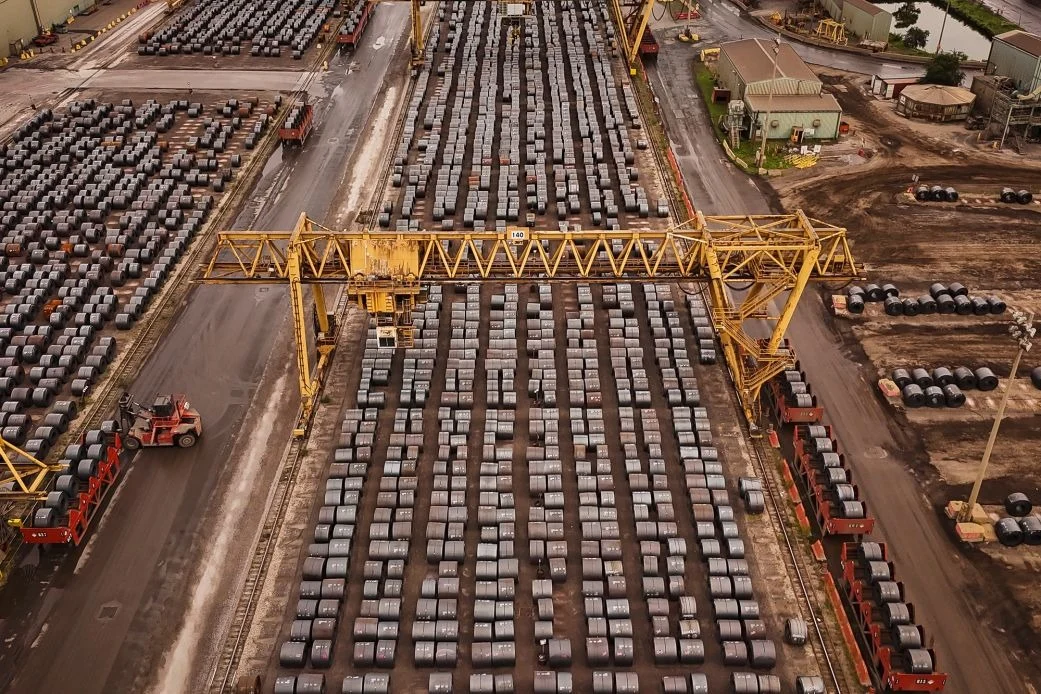









Canada is set to implement a new wave of retaliatory tariffs on September 8, targeting more than 700 American goods with levies ranging from 15% to 50%. This move, announced by Canadian officials on Tuesday, is designed to match US tariffs on a dollar-for-dollar basis. A significant portion of this strategy involves doubling duties on American steel and aluminum to 50%, mirroring the existing US tariffs on Canadian imports of those same materials. Officials in Ottawa have framed these measures as a necessary step to safeguard domestic manufacturing.
Finance Minister François-Philippe Champagne stated during a press conference that the recent US duties will have real consequences for Canadian workers, businesses, and communities. He emphasized that Canada must respond in a proportionate, targeted, and strategic way. Industry Minister Mélanie Joly noted that the specific products chosen for these tariffs were selected with the upcoming US midterm elections in mind, aiming to exert political pressure by targeting goods from specific American states. To mitigate the impact on its own economy, the Canadian government has unveiled a $7.5 billion CAD (approximately $5.4 billion USD) support package for domestic businesses affected by the trade friction.
The scope of these retaliatory measures extends beyond metals to include paper products, construction materials, home appliances, and agricultural goods such as seafood and dairy. According to US trade data, the new Canadian tariffs cover roughly 6% of goods exported to Canada, while the latest American tariffs affect about 5% of Canadian imports. Canada remains the second-largest export market for the United States, and the new 25% tariff on household appliances is particularly notable, given that Canada was the top export destination for those goods last year, purchasing over $1 billion worth.
The trade conflict shows signs of further escalation. President Donald Trump has threatened to impose a 50% tariff on Canadian automobiles and auto parts starting January 1. Furthermore, in a recent social media post, Trump labeled Canada the most unreasonable country he deals with and suggested renaming Lake Ontario to Lake America. When questioned about claims that the US introduced new conditions at the last minute, Trump indicated that if Canada does not pay a fair amount, a deal will not be reached.
Should the trade war intensify, particularly regarding the threatened auto tariffs, Ottawa has signaled that it may deploy additional economic tools. Policy experts and officials have suggested that Canada could restrict exports of critical inputs, including energy, potash, and electricity. Ontario Premier Doug Ford has publicly stated that Canada should be prepared to cut off electricity exports to the United States if the situation worsens. Ontario currently supplies power to several states, including Michigan, Minnesota, and New York.
The potential for such restrictions poses a risk to American consumers and businesses, who are already navigating a 3.4% increase in the cost of living compared to last year. With electricity and piped gas costs already rising by approximately 4% annually, further supply disruptions could exacerbate price pressures. Analysts at Capital Economics suggest that while Canada has attempted to select goods with available domestic alternatives to minimize its own economic hit, the resulting drop in demand could lead to layoffs or reduced hours for American workers.
While Minister Joly stated that the government is not currently taking preemptive action regarding the auto tariff threat, she confirmed that Canada is prepared to act if the US proceeds. Past actions, such as Ontario’s brief 25% surcharge on electricity exports to the US, demonstrate the potential scale of such measures; that surcharge was estimated to affect 1.5 million American homes and cost up to $400,000 CAD daily. As the situation develops, the reliance of US businesses on Canadian inputs remains a key vulnerability in the ongoing trade dispute. The report also notes that and that’s why we think it’s the right thing to do right now,” she told reporters on Tuesday, and so we’re being wise and strategic to put political pressure. The report also notes that trump suggested in a brief call with Jim Sciutto that the US had added conditions in the 11th hour. The report also notes that what could come next — and what each move could mean for Americans, here’s what Canada is doing now. The report also notes that “That sounds like me,” Trump responded when asked about Canadian officials’ assertions that the US made late-stage demands, adding, “they have to pay a fair amount. The report also notes that if Trump follows through on auto taxes — or escalates in other ways — Ottawa could use other ammunition. The report also notes that such as energy and a key fertilizer ingredient known as potash, said Diamond Isinger, a policy strategist and former special advisor on Canada-US relations to Prime Minister Justin Trudeau, canada could restrict key exports to the US. The report also notes that another vulnerable area is electricity.