









A critical air traffic control failure that paralyzed UK airspace earlier this month stemmed from a software defect that occurred in the space of a single millisecond. The national air traffic service, Nats, confirmed that the glitch introduced corrupted data into the management system, forcing controllers to rely on limited information.
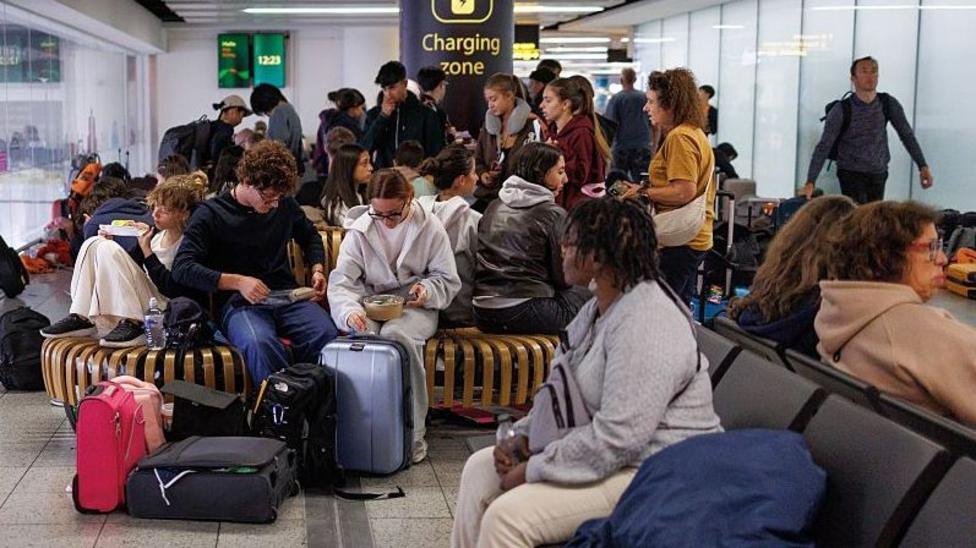
The incident, which began at 10:00 am on 8 September, resulted in more than 2,000 flight cancellations and impacted hundreds of thousands of travelers. Many passengers faced significant distress, including being forced to sleep on airport floors or becoming stranded in foreign countries.
Incident Timeline and Scope
- Initial Defect: The error occurred at 10:00 am on 8 September, though the severity of the system issue was not identified for two and a half hours.
- Recovery Effort: System restoration procedures did not commence until shortly after 3:15 pm, with airspace restrictions remaining in place until 7:30 pm.
- Geographic Impact: Major transit hubs experienced severe disruption, specifically Heathrow, Gatwick, Luton, and Glasgow airports.
- Resolution Delay: Clearing the backlog took several days due to the displacement of aircraft and flight crews across the network.
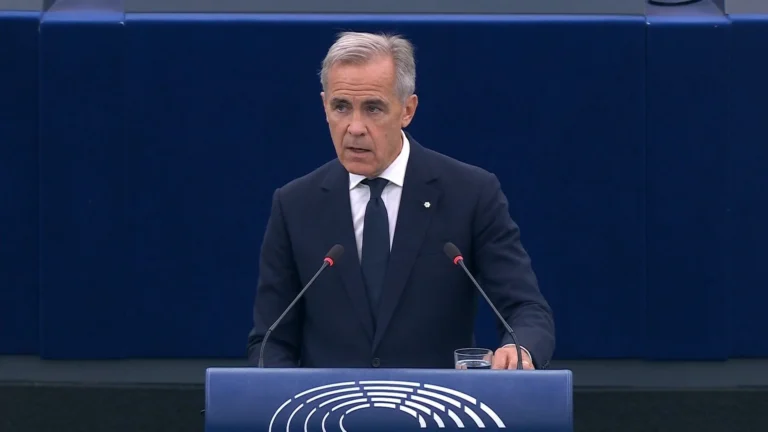
Nats chief executive Martin Rolfe issued an apology, expressing devastation over the breakdown of service while maintaining that safety was never compromised. He emphasized that the primary responsibility of the agency is the security of the skies. The Transport Secretary, Heidi Alexander, condemned the failure as entirely unacceptable and confirmed that the Civil Aviation Authority is conducting a formal review into why the defect went undetected until it triggered widespread chaos.
Industry and Passenger Impact
- Regulatory Stance: The regulator currently classifies the situation as an “extraordinary circumstance,” making it unlikely that passengers will receive standard financial compensation.
- Carrier Response: Airlines UK is formally writing to Nats to demand a credible plan for future resilience and immediate compensation for the costs incurred by the airlines.
- Aviation History: This event marks the third major national air traffic incident in three years, following a 700,000-passenger disruption in 2023 and a smaller outage in 2025.
For passengers like 26-year-old Addie Kitson, the disruption proved costly and exhausting. While traveling home from China, her flight was diverted to Stockholm. After being held on the tarmac for hours, she spent 19 hours inside the terminal, incurring nearly £100 in out-of-pocket expenses for food, Wi-Fi access, and adapters. She noted that an £11 food voucher provided by the airline failed to cover even the basic cost of a sandwich, and she expressed frustration that repeated technical failures are being labeled as extraordinary by regulators. The report also notes that the failure led to more than 2,000 flights being cancelled and hundreds of thousands of passengers affected, with some sleeping on airport floors or getting stuck overseas. The report also notes that and about the fact that they are unlikely to be entitled to compensation because the regulator judges the situation was extraordinary circumstances, there has also been anger from passengers about how much support they got from airlines.
Important Details
- The report also notes that but it did not become apparent this was a serious problem for another two and a half hours, the defect occurred at 10:00am on 8 September.
- The report also notes that and restrictions on UK airspace were not lifted until 7:30pm, the system restart did not start until just after 3:15pm.
- The report also notes that the disruption took days to completely resolve because of the number of planes and crew left out of place.
- The report also notes that quickly and without delay and we are devastated when that goes wrong,” he said, it’s our job to get people where they want to go.
- The report also notes that however, our primary role is to keep our skies safe, and everyone who flies through them. At no point last week was safety in question.