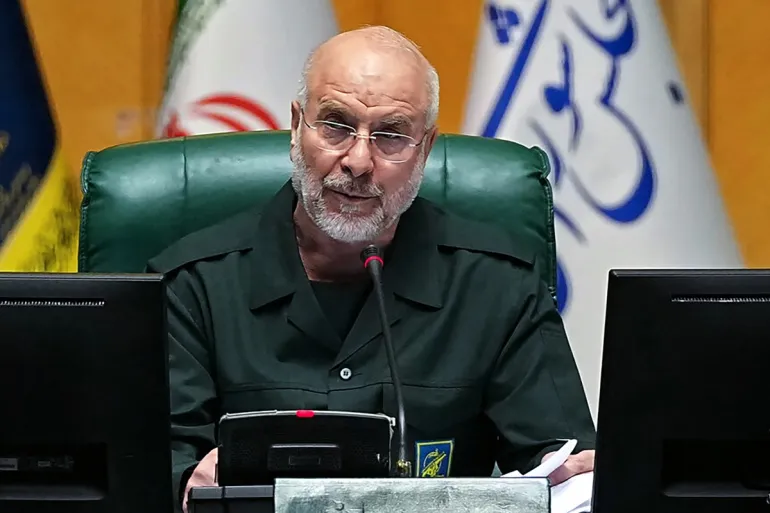




Iranian Parliamentary Speaker Mohammad Bagher Ghalibaf has introduced a confrontational element into the ongoing conflict between Tehran and Washington, utilizing economic theory to challenge the financial policies of the Donald Trump administration. Ghalibaf, who has participated in high-level negotiations between the two nations throughout the past six months, recently posted a version of the Taylor equation on social media, mocking US attempts to curb economic pressure through interest rate adjustments.
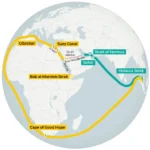
Addressing the US Federal Reserve’s decision to raise benchmark rates by 25 basis points, Ghalibaf questioned the efficacy of such moves in the context of global energy security. He challenged whether a rate hike could successfully reopen the Strait of Hormuz—a vital shipping artery currently blocked by Iranian action—or generate additional oil production. He explicitly stated that one cannot manage a restricted chokepoint through small basis point adjustments, claiming the current economic environment is defined by a risk premium set by Tehran.
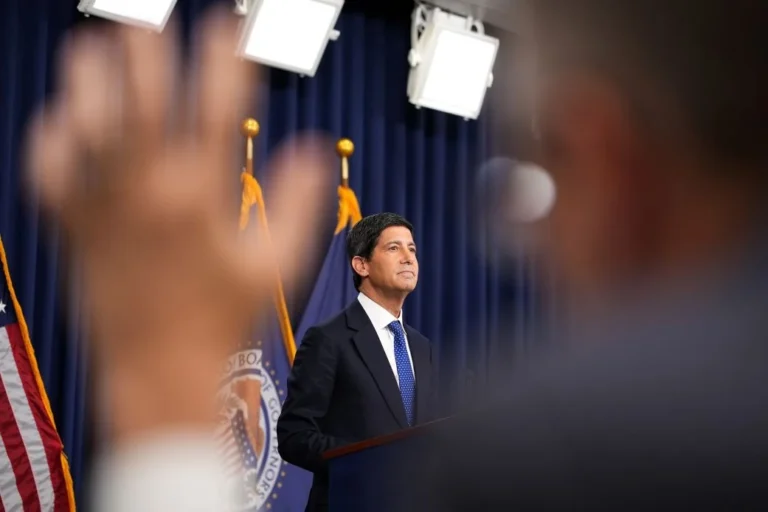
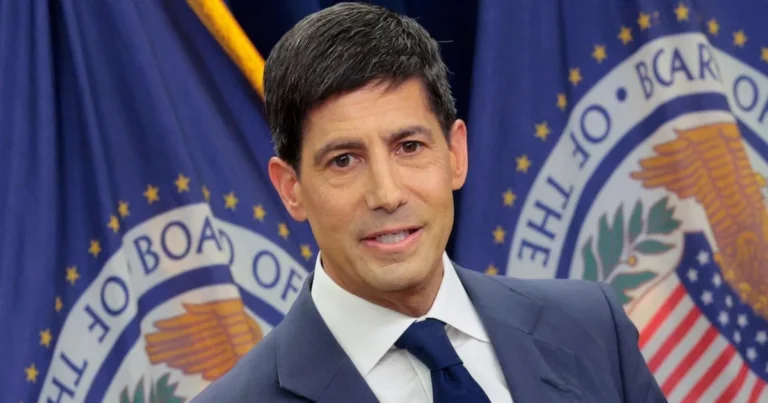
The Taylor rule, originally formulated by economist John Taylor in the early 1990s, serves as a guideline for central banks to adjust interest rates based on inflation levels and the output gap between actual economic performance and potential. While the Fed does not follow this formula strictly, the recent rate increase marks the first such move in three years, with Fed Chairman Kevin Warsh citing the ongoing US-Iran conflict and subsequent fuel price surges as influential factors. Warsh noted that the global economic landscape is heavily impacted by geopolitical instability, leaving policymakers with limited alternatives.
Market analysts offer a nuanced perspective on Ghalibaf’s rhetoric. Chris Beauchamp, chief market analyst at IG Group, described the speaker’s social media activity as a sophisticated form of propaganda intended to undermine the US position. Beauchamp suggested that while the war with Iran is an indirect driver of the recent rate hike due to its impact on energy costs, it is not the sole factor determining American monetary policy.
Susannah Streeter, chief investment strategist at the Wealth Club, emphasized that although Tehran’s influence on global oil supplies and inflationary pressures is significant, the Federal Reserve must account for a broad array of domestic variables. These include robust capital investment in the artificial intelligence sector and persistent domestic demand, both of which have necessitated tighter monetary conditions regardless of foreign conflicts. Streeter argued that while Iran may influence elements of the US inflation outlook, it does not hold the power to dictate American interest rates.
This is not the first instance of Ghalibaf using economic data as a rhetorical tool. Throughout the conflict, which began on February 28 following joint operations by the US and Israel, the speaker has frequently targeted the Trump administration’s domestic struggles. In March, he publicly mocked efforts to manipulate oil futures and later shared a graphic titled “Make America Hungry Again,” citing data on food insecurity in the US to suggest that financial maneuvering cannot mask military failures.
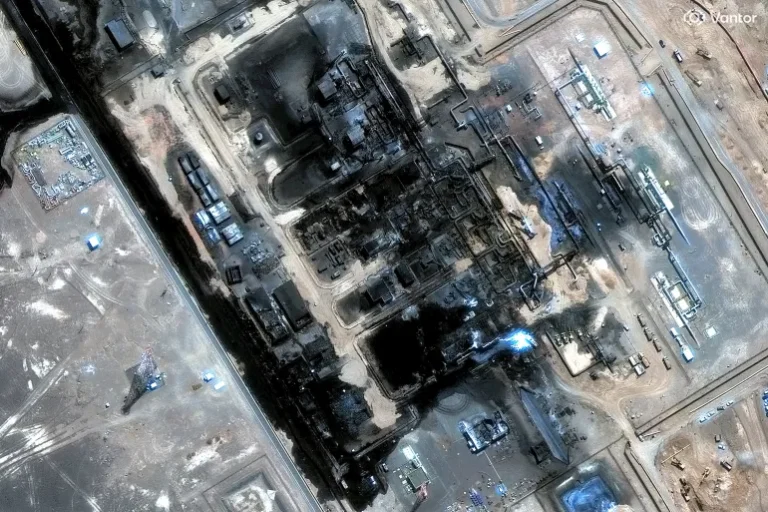
Despite the high-stakes rhetoric, the conflict has resulted in significant material consequences for the United States. Earlier this week, the Pentagon acknowledged that Iranian operations have caused damage to dozens of US aircraft and destroyed numerous military facilities at bases across the Middle East, costing billions of dollars in equipment.
Ultimately, Ghalibaf’s engagement with economic formulas reflects a strategy to highlight the limitations of US power in the region. As Negar Mortazavi, a senior fellow at the Center for International Policy, explained, the speaker’s goal is to emphasize that standard fiscal adjustments cannot rectify the logistical and security challenges posed by the closure of the Strait of Hormuz or the resulting energy disruptions. The report also notes that on Wednesday, Tehran unleashed another unlikely weapon in its war against the US: a maths equation. The report also notes that “Let’s see if a hike could open SOH or produce a single barrel,” he wrote, referring to interest rate hikes and the Strait of Hormuz, a crucial waterway Iran has effectively blocked for global shipping. The report also notes that which was launched by the US and Israel against Iran on February 28, Ghalibaf frequently used financial arguments to mock how the conflict was being conducted by the administration of US President Donald Trump, to point to Iran’s ability to hurt Washington economically unless it changed its approach, early in the war. The report also notes that “This is a spectacular bit of agitprop from Iran, a country which, if nothing else in 2026, has demonstrated an impressive ability to needle its US opponent,” Chris Beauchamp, chief market analyst at IG Group, told. The report also notes that but what exactly is Ghalibaf trying to say. The report also notes that interest rate = inflation + 0.5(output gap) + 0.5(inflation − 2%) + 2%. The report also notes that in his speech following the rate hike, said renewed fighting between the US and Iran, which has pushed up petrol prices, helped convince Fed officials to support higher rates, fed Chairman Kevin Warsh.