








In a move forced by mounting pressure from the bond market, the Federal Reserve announced a target interest rate increase on Wednesday, marking its first hike since 2023. The central bank found itself in a difficult position as it attempted to balance the need to curb five years of persistent inflation against the risk of inadvertently damaging the job market.
The decision follows an ultimatum from bond investors who, concerned that an inactive central bank would fall behind on inflation, pushed Treasury yields significantly higher. As the benchmark 10-year Treasury yield climbed to a 19-year high on Tuesday, market watchers suggested the Fed had been effectively “boxed into a corner.” Chris Zaccarelli, chief investment officer for Northlight Asset Management, noted that the institution had little room to maneuver given the market’s aggressive positioning.
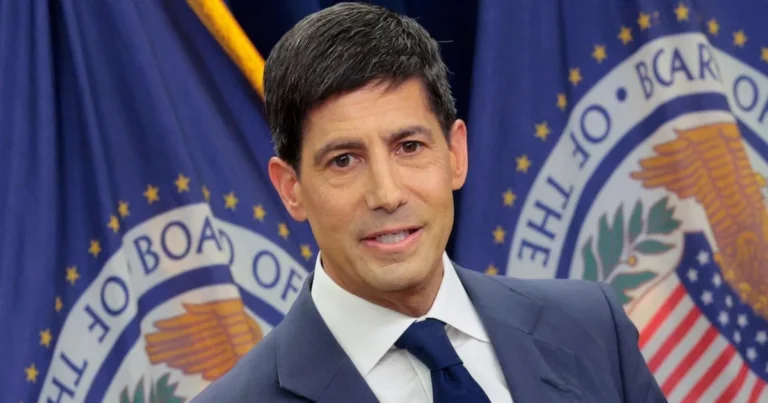
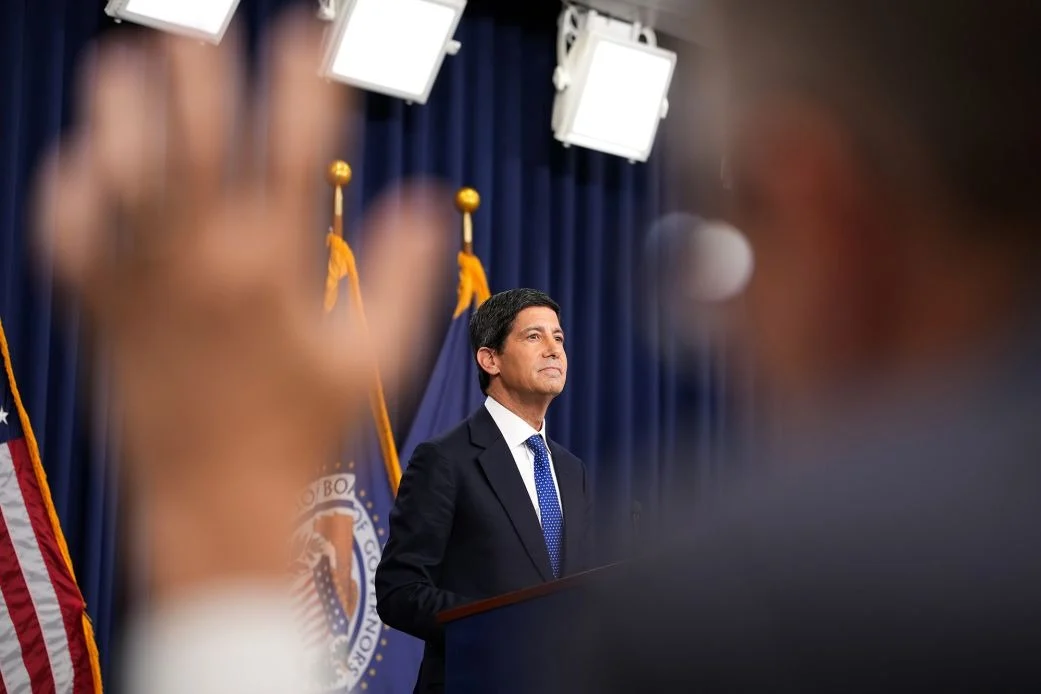
Fed Chairman Kevin Warsh rejected the notion that the central bank was responding to market coercion, asserting that Wednesday’s policy shift was driven by assessments of economic strength and employment trajectories. “We made this decision today based on our assessment of the situation… based on our judgment on the strength of the economy,” Warsh stated during a press briefing. While acknowledging he observes market signals, Warsh maintained that the decision remained squarely within the Fed’s purview.
Despite this, market analysts suggest the reality is more nuanced. Karen Manna, a fixed income strategist at Federated Hermes, observed that the bond market had effectively led the central bank, with investors pricing in higher rates long before the Fed officially acted. As James Carville famously observed regarding the power of global bond markets, the influence investors hold over policy remains substantial, as they can effectively intimidate financial institutions.
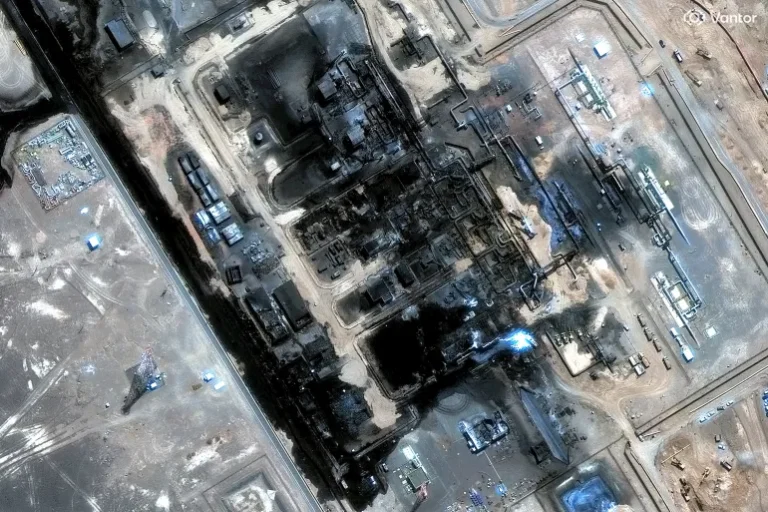
A core challenge for the Fed involves the nature of the current inflation, which stems largely from high energy prices linked to the conflict with Iran and disruptions to Russian diesel refineries. Goldman Sachs economists argued this week that the case for a hike was weak, suggesting that supply-side shocks caused by war are temporary. They contended that since the Fed typically “looks through” these shocks, raising rates could prove counterproductive by artificially inflating borrowing costs for businesses and consumers without addressing the root cause.
Michael Pearce, chief US economist at Oxford Economics, highlighted the limitation of this monetary tool, noting, “The Fed cannot control energy prices.” He added that while the economy currently appears robust enough to withstand the move, the primary risk remains that higher interest rates will eventually weaken the labor market.
Warsh, however, expressed optimism that sustainable price stability will foster longer-term growth. “I don’t believe that we need to do harm to the labor markets to achieve our objective,” he said. The Fed now faces the precarious task of tempering inflation without triggering an economic downturn, a challenge that will test the central bank’s credibility and its dual mandate to manage both price stability and unemployment. The report also notes that that raised fears that the Fed had lost “credibility” – marketspeak for trust that the Fed will follow suit on its dual mandate to keep inflation and unemployment in check. The report also notes that and the Fed chairman – who made it his mission to let markets do their thing without his intervention – remained mostly silent, they demanded even more yield as oil prices crept above $100. The report also notes that “Sometimes the market tries to prejudge our outcomes,” he added. “I will observe market prices and see what they have to say, but today was our decision.”. The report also notes that but it’s a blunt tool that comes with a nasty side effect: It can unintentionally turn the job market into collateral damage. The report also notes that raising interest rates risks slowing down the American economy without anything to show for it. The report also notes that demand wasn’t excessive, and the supply shocks fueling inflation – namely high oil and fuel prices – would correct themselves once the war ended, they argued the economy wasn’t overheating.