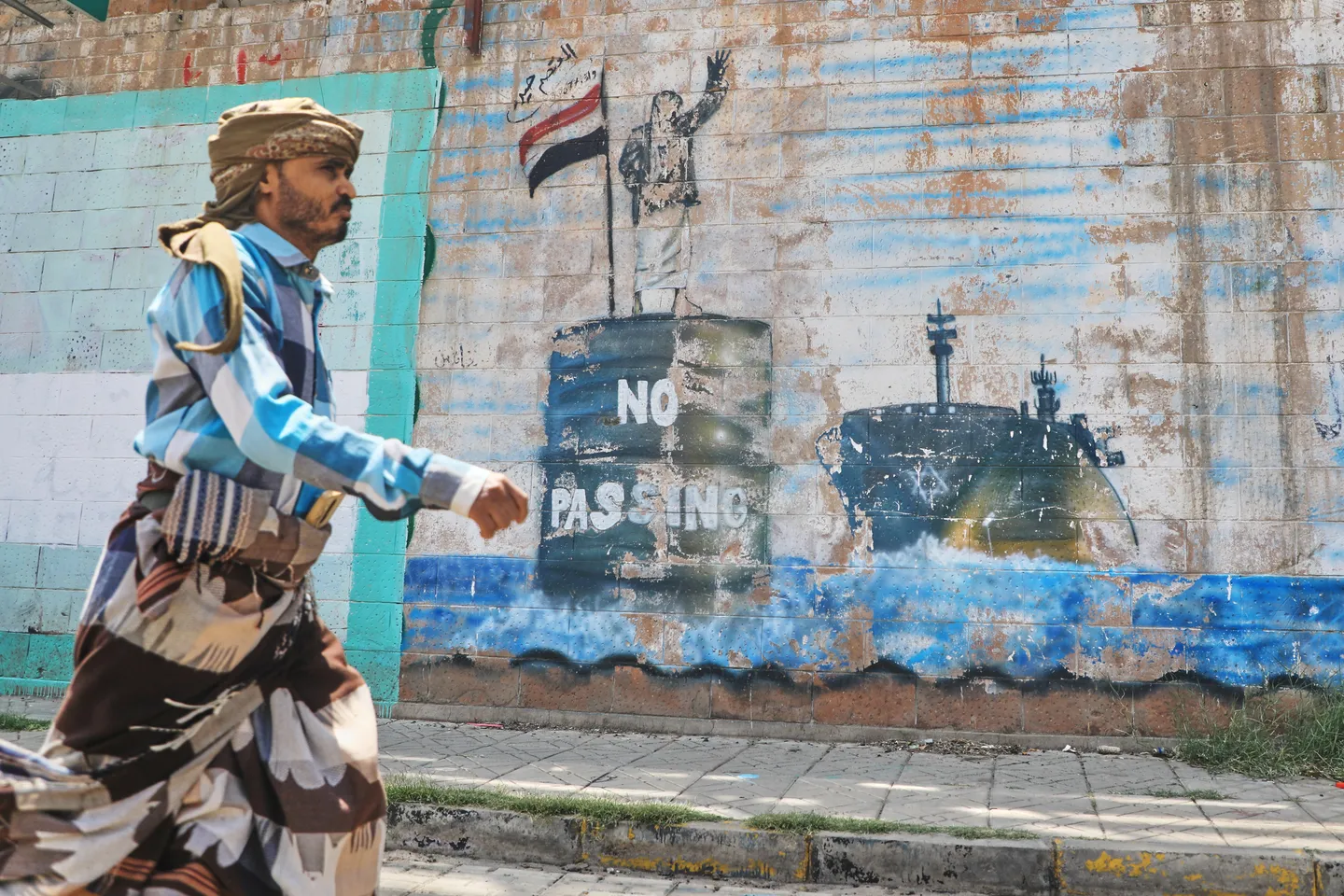








Energy markets worldwide are experiencing significant volatility following more than six months of conflict between US-Israeli forces and Iran. The current instability, which has driven US diesel costs to record highs, is increasingly tied to developments along Yemen’s Red Sea coastline. Iran-allied Houthi forces, who govern Sanaa and much of northern Yemen, have recently expanded their reach to seize the remainder of the Red Sea coast and key strategic islands.
This maneuver has granted the group control over the Bab al Mandeb Strait, effectively creating a second major chokepoint for oil exports. Previously, Saudi Arabia had navigated the ongoing blockade of the Strait of Hormuz—which halted Gulf maritime traffic in late February—by rerouting crude across the peninsula to Red Sea terminals. The Houthi escalation, involving strikes against tankers and energy infrastructure, has rendered that workaround ineffective.
The situation has been further compounded by drone attacks from Iranian-affiliated Iraqi militias, which forced the closure of Saudi Arabia’s East-West pipeline. This infrastructure was critical for moving oil from the kingdom’s eastern fields to the west coast. Consequently, Saudi oil production has plummeted to its lowest point in 36 years.
As global markets face these supply bottlenecks, attention has turned to the Organization of the Petroleum Exporting Countries and its partners (OPEC+). Under Saudi leadership, the 12-member group manages production quotas to mitigate worldwide imbalances. However, analysts express deep skepticism regarding the group’s ability to provide a rapid, meaningful increase in oil flow.
Baris Alpaslan, an economist and chief adviser at IC Holding, notes that while spare capacity is cited in reports, the reality is more complex. “There is spare capacity on paper, but I would be very cautious about treating all of it as immediately available supply,” Alpaslan said. He emphasized that the critical issue is distinguishing between technical capabilities and barrels that can actually reach the global market without delay.
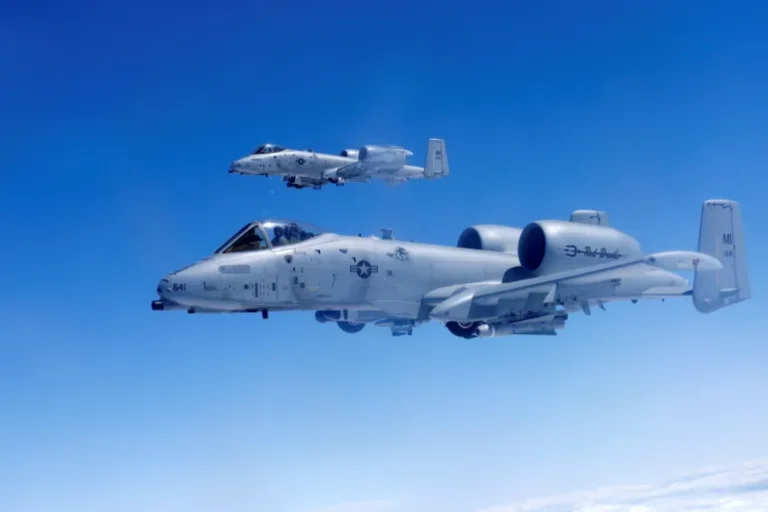
Diplomatic efforts to address the crisis remain stalled. Washington has refrained from direct military involvement against the Houthis, despite reports that Saudi Crown Prince Mohammed bin Salman sought assistance. US President Donald Trump stated that the Houthis reached out to his administration, specifically requesting that the US remain neutral in their conflict with the Saudi government.
Altay Atli, a senior scholar at the Istanbul Policy Center at Sabanci University, agrees that spare capacity is largely a theoretical construct. He points out that while some Gulf producers claim to have untapped reserves, the war has rendered the standard transport routes, particularly through Hormuz, inherently unsafe. Moving oil to key buyers like China now necessitates longer, more expensive, and less reliable logistics.
Production data highlights the gravity of the crisis. In August 2026, official Saudi output was recorded at 6.2 million barrels per day—a decline of nearly 25 percent from July—as storage and shipping constraints forced production cuts. Although OPEC+ has announced plans for phased quota increases throughout 2026, the promised barrels have yet to materialize in the market.
Alpaslan suggests that only a handful of producers could realistically shift market dynamics, and none can act like an “emergency switch.” He does not anticipate an immediate surge in output from OPEC+ members. While Iraq and Kuwait possess some potential for additional production, they remain limited by their own infrastructural and logistical challenges. Meanwhile, Iranian production is stifled by sanctions and combat damage, and Russian output has fallen below its quota due to persistent Ukrainian drone strikes on its energy facilities.
Looking ahead, the outlook for 2027 remains bleak. Analysts suggest that if constraints on Gulf production persist, global oil prices could climb beyond $120 per barrel, up from roughly $103.52. The International Energy Agency has already cautioned that a return to normal flow levels may not occur until 2027, warning that current high prices are beginning to diminish overall demand.
In the absence of a swift response from OPEC+, the market may look toward other producers, including the United States, Brazil, and Guyana, to fill the supply gap. US production currently stands at a record 13.8 million barrels per day, up from 13.7 million in 2025. Alpaslan notes that while releasing oil from strategic reserves might provide temporary relief, any significant unwinding of the current geopolitical risk premium would be required to bring prices down substantially. The report also notes that considered one of Tehran’s allies, controls the country’s capital, Sanaa, and much of the north-western parts of the war-torn country, the Yemeni group. The report also notes that this means the already dangerous detour around a mostly blocked Strait of Hormuz has become a second chokepoint throttling the flow of oil from the Middle East. The report also notes that at least not in the way markets usually imagine, experts say OPEC+ can’t just turn the tap and increase supplies. The report also notes that washington has so far resisted treating the Houthi advance as another theatre of war that it must fight itself. The report also notes that OPEC+ has spent much of 2026 announcing monthly quota increases – a phased unwinding of earlier voluntary cuts – while actual barrels have yet to follow. The report also notes that he says, the immediate problem is not simply that OPEC+ doesn’t want to produce more. The report also notes that “That leaves a short list of countries that could genuinely change the picture,” he says.