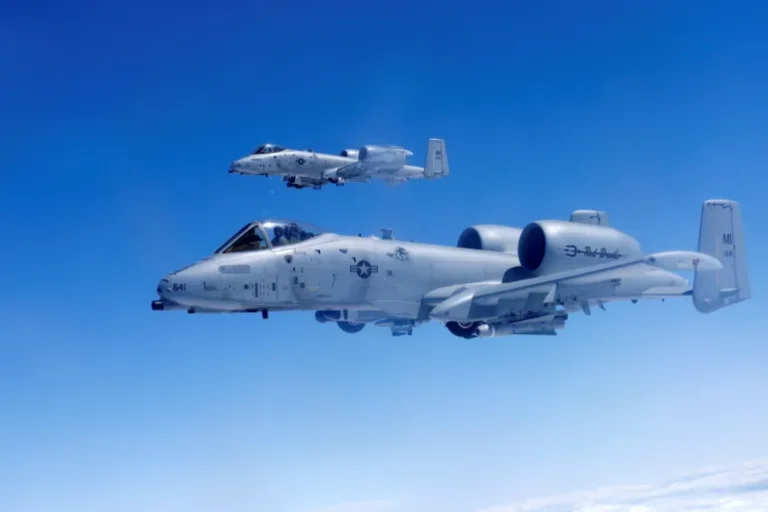





An American airman rescued from Iran after his aircraft was shot down in April shared details for the first time about the high-risk recovery operation during an interview broadcast on CBS’s “60 Minutes” on Sunday. Speaking under the mission call sign “Bravo” to protect his identity, the weapon systems officer described a harrowing free fall after ejecting from an F-15, revealing that his parachute was damaged after the jet was struck.
“It was the most terrifying thing I’ve ever seen,” Bravo said, recalling how he desperately attempted during the descent to “unfurl or pull pieces of the parachute loose.” The impact broke his back, an arm, and a shoulder, while also leaving him with a sprained ankle alongside bloody scrapes across his head and face.
Despite his extensive injuries, the airman managed to evade encroaching Iranian forces after reaching the ground. Carrying little more than a handgun, a communication device, and a tracking beacon, he hiked up a 7,000-foot ridge line and concealed himself inside a mountain crevice for hours. While the F-15 pilot was rescued shortly after the crash, Bravo remained hidden on the mountain for 50 hours before rescuers reached him.
“As soon as I found a spot that I felt provided some concealment, I started working toward communication,” Bravo told interviewer Norah O’Donnell. Describing the moment he successfully established contact after reflecting on his situation, he recalled sending his initial message: “God is good.”
The intricate rescue operation involved hundreds of US military and intelligence personnel, including elite special operations units such as Navy SEAL Team Six and the Army’s Delta Force. Ahead of the extraction, CIA operatives launched a deception campaign to mislead Iranian forces, whose leaders had offered a financial bounty for the airman’s capture. Declassified Pentagon footage shown during the broadcast depicted Air Force pararescue operators advancing toward Bravo’s hiding spot, though he declined to reveal what the rescuers said when they first reached him.
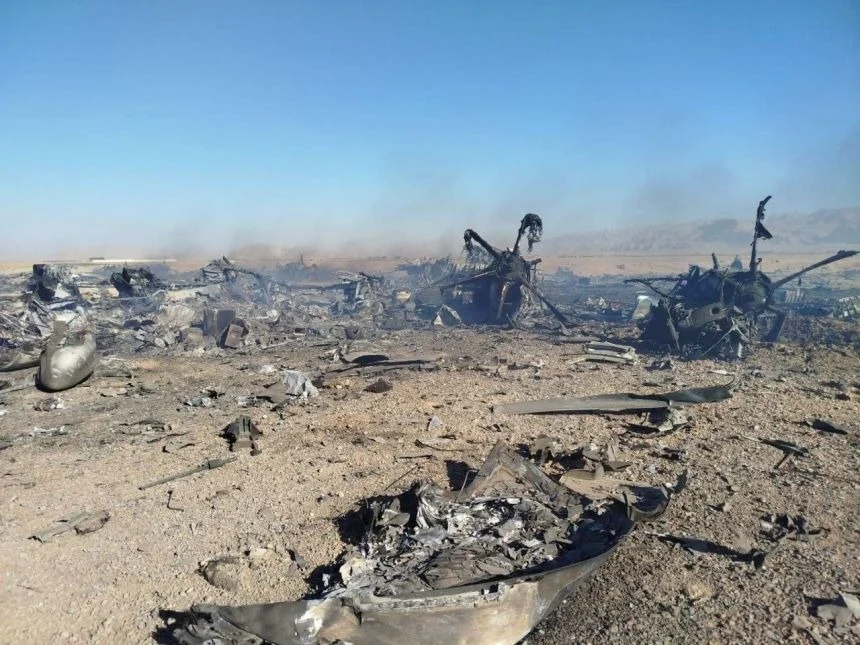
The mission encountered critical complications when two US MC-130J special operations transport aircraft became damaged during the operation. The setback briefly stranded more than 90 special operators on the ground alongside the rescued airman. To prevent sensitive military hardware from being captured by Iranian forces, American forces deliberately blew up the damaged aircraft before successfully airlifting all personnel out on replacement transport planes.
Neither crew member has been publicly identified by the Pentagon to safeguard sensitive operational details and protect their personal safety. However, reports surfaced Saturday indicating Defense Secretary Pete Hegseth and departmental political appointees had pushed for both service members to participate in the high-profile media appearance. According to multiple sources, both airmen initially harbored reservations, and military leaders expressed concern over revealing classified mission details. The pilot ultimately declined to participate, while appointees reportedly insisted the segment move forward despite internal pushback from the military chain of command.
Pentagon chief spokesperson Sean Parnell forcefully rejected those accounts, stating, “This entire story is a complete lie.” Parnell emphasized that “the decision to participate in the interview was each pilot’s alone — because it is their story,” noting that one chose to speak while the other declined, and adding that the Department took meticulous precautions to protect operational security, sources, and tactics.
Reflecting on the experience, Bravo expressed profound gratitude for the teams that risked their lives during the tactical strike and extraction, which included US aircraft dropping bombs to clear the immediate area. Seeing the rescuers arrive on the ridge line was “one of the greatest moments of my life,” he said, adding that the ordeal will remain with him forever and saying, “I don’t know how to say it any more clearly than ‘thank you’ for all that they did.” The report also notes that additionally, the Department took great care to ensure operational security, sources, and methods were protected.”. The report also notes that the US opted to destroy the broken aircraft to prevent them from falling into Iranian hands and then send in new planes, after they were eventually rescued. The report also notes that zachary Cohen, Brian Stelter and Kevin Liptak contributed to this report.