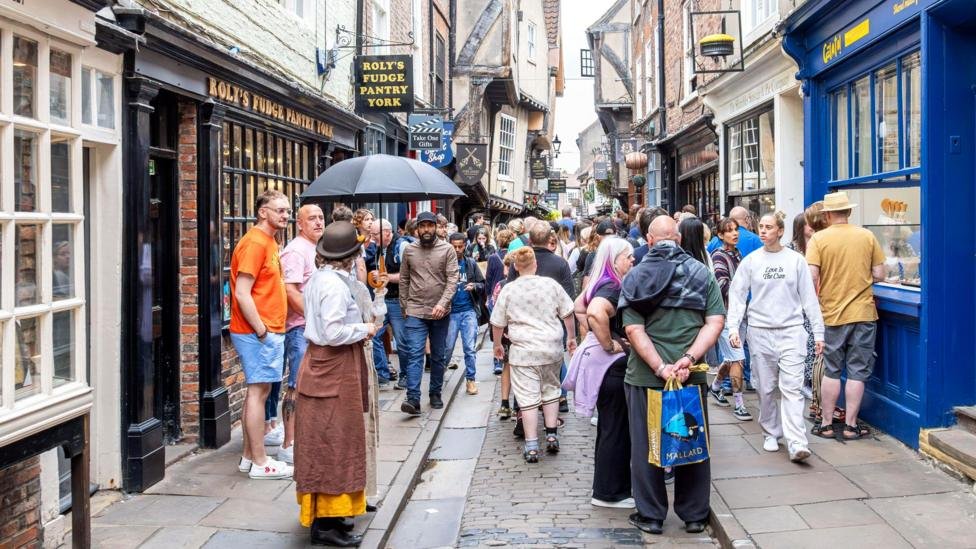









Regional mayors across England are set to receive new authority to implement an uncapped levy on overnight visitor stays. The government intends to introduce a bill to Parliament in due course, allowing local leaders to charge a percentage-based fee on hotels, bed and breakfasts, and other accommodation types rather than a flat rate. This revenue is intended to support local transport, high streets, and essential services.
Local Government Secretary Angela Rayner stated that the measure empowers mayors to raise and reinvest funding where it is most needed. She emphasized that the policy allows decisions to be made by local officials who understand their specific regional requirements. To mitigate the impact on budget-conscious travelers, the government has pledged to ensure that low-cost accommodation options will always be subject to the lowest levy rates. Additionally, local leaders will have the discretion to offer exemptions, such as for campsites, though they will not be permitted to exempt specific localities within their regions to prevent confusion.
By early 2028, local leaders—including heads of Foundation Strategic Authorities where no mayor exists—must clarify their plans for how the generated revenue will be reinvested. The tax will apply to both domestic travelers and international visitors.
The proposal has faced significant pushback from the hospitality sector. UKHospitality chief executive Allen Simpson warned that the levy could put jobs at risk, estimating it might add between £100 and £120 to the cost of a typical family holiday. Simpson expressed concern that mayors might aggressively utilize the tax, noting that there is theoretically no upper limit on the levy. He argued that local governments, already strained by austerity, might view this as a primary revenue stream to be exploited.
John Chappell, who operates five caravan parks in Skegness, Lincolnshire, described the potential cost as a threat that could “kill the industry off.” He noted that many visitors to English resorts are already managing tight budgets and struggling with travel expenses. Chappell criticized the proposal, suggesting that such policies demonstrate a disconnect between politicians and the reality of the tourism sector.
Political opposition has also emerged. Shadow housing secretary David Simmonds labeled the plan a “Labour double whammy,” noting that hotels are already subject to a 20% VAT rate. Meanwhile, Reform UK leader Nigel Farage stated that his party’s two mayors in Greater Lincolnshire and Hull and East Yorkshire would refuse to implement the tax.
The policy reflects similar approaches seen elsewhere. In Scotland, local authorities can charge a visitor levy; Edinburgh recently introduced a 5% rate for overnight stays, capped at five nights. While some praise the investment, the move has faced criticism, with the Scottish Ballet cutting performances and citing the “unsustainable economics of touring in Edinburgh.” In Wales, a capped levy of £1.30 per person per night is scheduled for April next year, with local authorities deciding on its implementation.
England currently features two voluntary, business-led schemes: a £1 nightly charge in Manchester and a £2 nightly charge in Liverpool. While regional mayors previously lacked the power to mandate such fees, many Labour mayors in areas including London, West Yorkshire, and the West Midlands have welcomed the announcement. However, several have indicated they will consult extensively before taking action. It is understood that London Mayor Lord Khan supports a maximum 5% levy, while Tees Valley Mayor Ben Houchen previously ruled out introducing a tourist tax. The report also notes that public spaces and attractions that both residents and visitors rely on, with decisions taken by people who know their area best, it’ll help support the local services. The report also notes that saying the levy means “jobs are now at risk”, leading trade body UKHospitality has hit back. The report also notes that we know, don’t we, that local government is struggling for funds – it was hit very hard by austerity,” he said Radio 4’s Today programme. The report also notes that of course local mayors are going to pull that lever until it snaps, if you only devolve one tax raising power. The report also notes that he added: “It will be the case that you’ll have holiday parks which can’t open in the shoulder seasons [between peak and low season] and of course people who go on holiday will just have that little bit less money in their pocket. The report also notes that the idea was first raised under former Prime Minister Sir Keir Starmer in November and is similar to schemes running in Scotland and European destinations. The report also notes that reform’s two regional mayors and the two Conservative ones are likely to oppose any levy given the positions of their national parties.