








The trade conflict between the United States and Canada has entered a volatile new phase, with both nations escalating measures that threaten to disrupt long-standing economic ties. At 12:01 a.m. ET on Tuesday, Canada officially implemented duties ranging from 15% to 50% on approximately $20 billion worth of American goods. This move serves as a direct response to the tariffs President Donald Trump placed on Canadian imports last month, which cover items including paper products, construction materials, home appliances, and various agricultural goods.
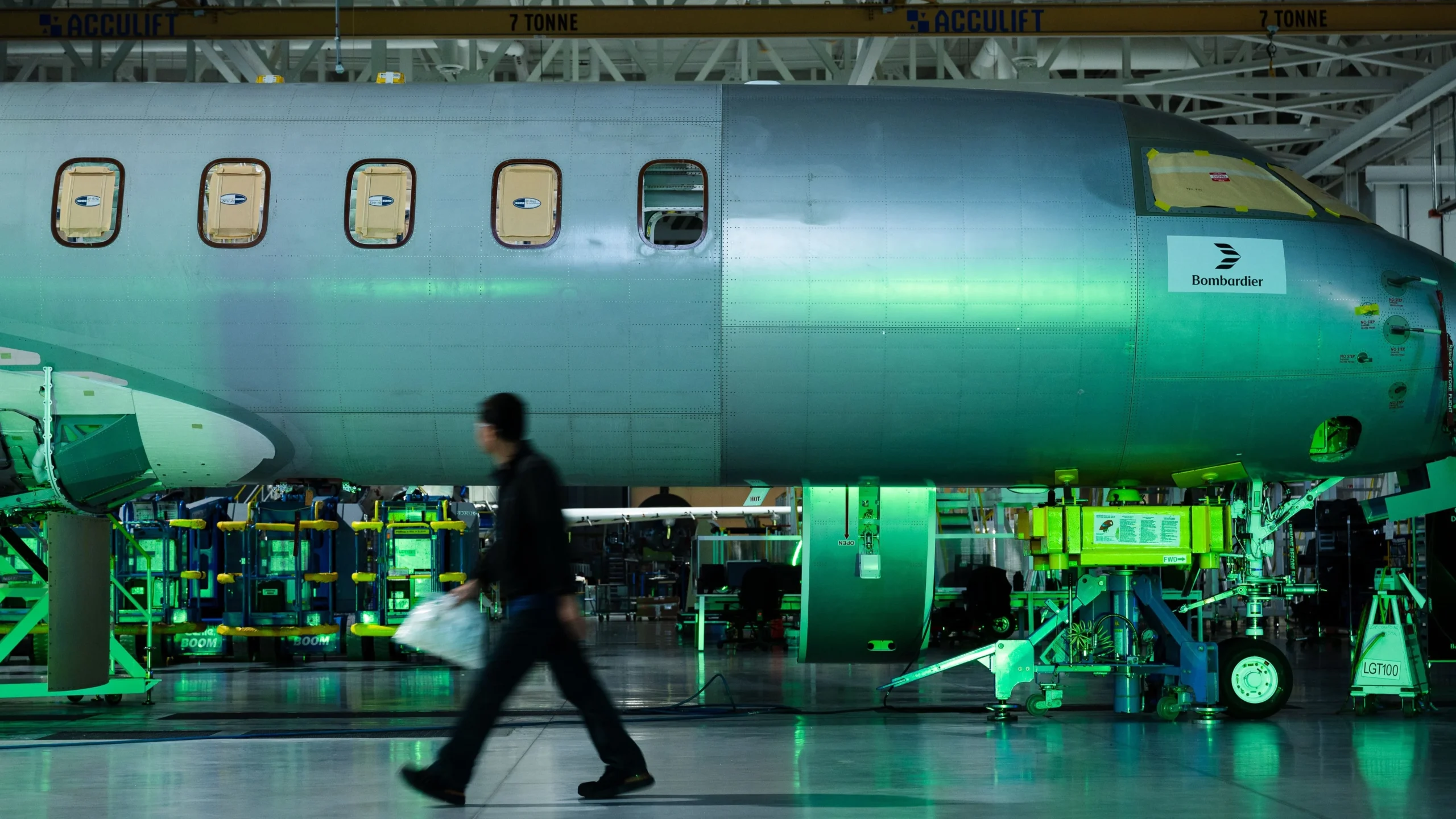
Negotiations between the two countries, which rank among each other’s most significant trading partners, collapsed last month during final-hour discussions. Although President Trump had previously signaled that a deal was within reach, the parties could not resolve remaining disagreements. Since the breakdown, the rhetoric between President Trump and Canadian Prime Minister Mark Carney has sharpened significantly. Trump has gone as far as referring to Lake Ontario as “Lake America” and has threatened to increase auto tariffs to 50% by January 1. Furthermore, he has proposed a potential ban on Bombardier, a leading Canadian aircraft manufacturer, unless the company shifts its production to the United States.
In a post on Truth Social, President Trump stated, “If they want our Market, they must build here, and stop treating America like a ‘piggybank.’” In response, the Montreal-based aerospace firm emphasized its existing footprint in the U.S., noting that it contributes to the American economy by creating tens of thousands of jobs. The company maintained that it continues to expand its manufacturing presence within the United States.
Prime Minister Carney has consistently criticized the American approach, accusing the administration of prioritizing political posturing over serious diplomacy. “When the Americans stop doing memes, stop throwing shade, stop trying to be tough and start being serious about having those discussions — we can have those discussions,” Carney remarked last week. The dispute has also become a factor in the upcoming U.S. midterm elections, placing pressure on Republican candidates like Sen. Susan Collins of Maine, who has openly opposed the president’s tariff strategy.
Canadian Industry Minister Mélanie Joly stated that Ottawa is strategically targeting its countermeasures to exert political pressure on the Trump administration. Notably, Canada exempted American seafood from its 25% duties to avoid harming specific industries in states like Maine and Alaska. However, the conflict may soon expand; Ontario Premier Doug Ford has suggested that his province could restrict electricity exports to neighboring U.S. states such as New York and Michigan.
Disagreements have also centered on cultural protections. Canadian officials noted that the U.S. pressed for changes to rules regarding French-language content on streaming platforms and product labeling requirements. Carney defended these as fundamental rights, while Trump dismissed the concerns, stating, “I would never interfere with Canadians speaking French!” and suggesting that Carney’s stance was a political maneuver. U.S. Trade Representative Jamieson Greer denied that these cultural requirements caused the talks to fail, whereas Commerce Secretary Howard Lutnick cited last-minute Canadian requests—specifically regarding tariff relief for trucks—as the primary reason for the collapse.
While U.S. Treasury Secretary Scott Bessent argued that the U.S. holds the advantage due to its economy being 13 times larger than Canada’s, experts warn that the reality is more complex. Ari Van Assche, a professor at HEC Montréal, noted that smaller economies are often more vulnerable, but the deep integration of the two markets means both sides face significant risks. Because many businesses finalize pricing contracts well in advance, consumers may not feel the immediate impact of these new duties, according to Harvard University’s Gordon Hanson. President Trump’s recent claim that the U.S. would save $90 billion by ending trade with Canada has been met with skepticism, as the two nations rely on specialized goods that are difficult to source elsewhere. The report also notes that he’s likely to unveil counterduties, prompting yet another response from Carney, beyond Trump’s Bombardier threat. The report also notes that with exemptions for the portion of each vehicle that complies with the trilateral trade agreement between the US, Canada and Mexico that Trump brokered during his fi, the US currently imposes a 25% duty on those vehicles. The report also notes that touting a deal that was within reach, trump had initially pushed back his self-imposed deadline for the tariffs. The report also notes that but the two sides failed to bridge their remaining differences as negotiators haggled over the final details. The report also notes that trump went as far as renaming Lake Ontario as “Lake America,” threatened to double auto tariffs to 50% on January 1, and now plans to ban one of Canada’s top aircraft companies, Bombardier, from selling in the US unless it builds its planes there. The report also notes that has reached out to the White House regarding the suggested ban. The report also notes that putting Republicans in competitive races in the position of explaining their views on tariffs imposed by the president, the intensifying trade war between the two neighbors is unfolding just two months before the US midterm elections.