






Despite repeated suggestions from the Trump administration that the conflict with Iran would conclude “pretty soon,” the two nations remain locked in a persistent war of attrition. Recent declarations from Washington and Tehran indicate that the standoff is far from over, with both sides escalating their rhetoric and tactical maneuvers.
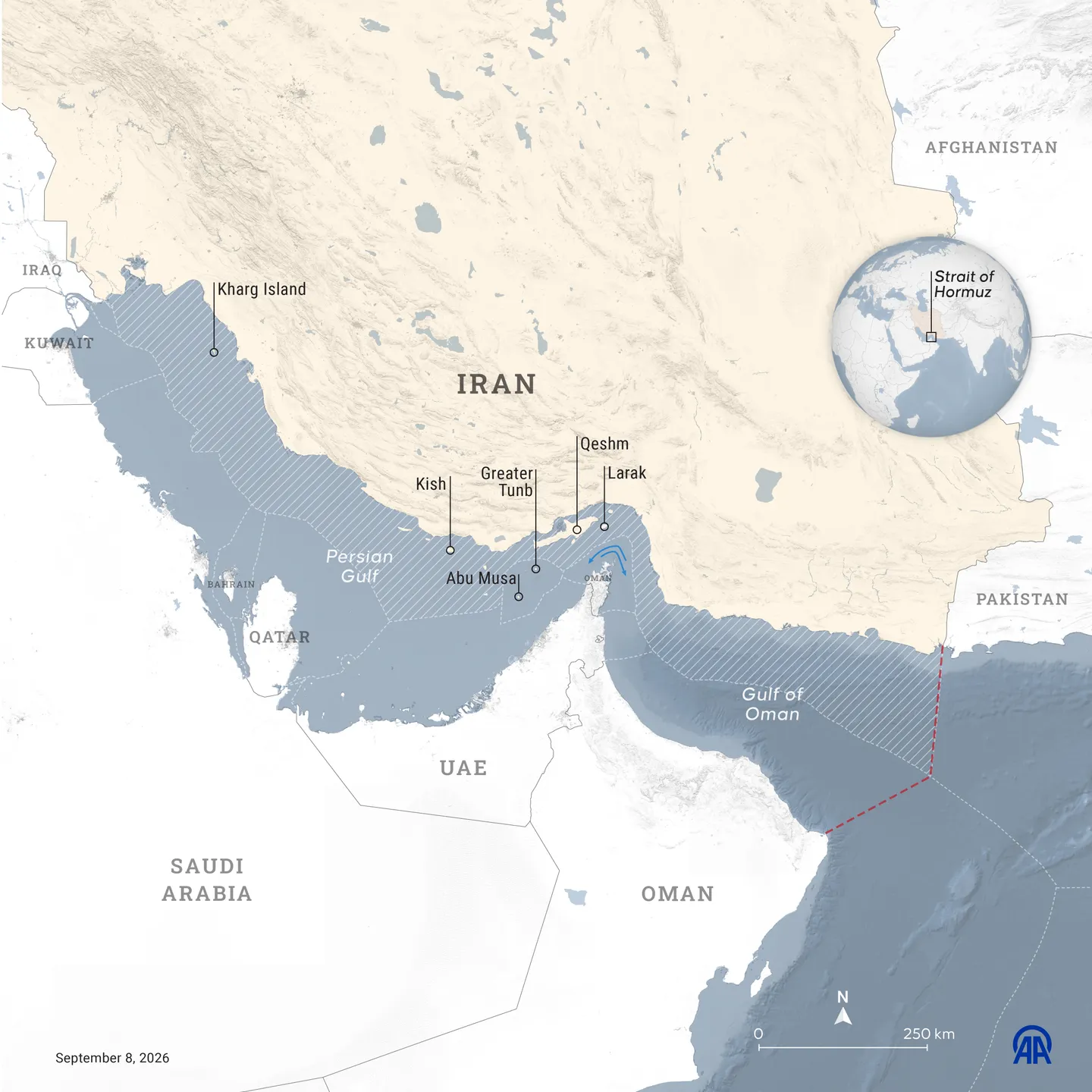
Mohsen Rezaei, secretary of Iran’s Supreme National Security Council, recently announced that Tehran intends to establish a maritime exclusion zone. This proposed area would extend from the US naval blockade line in the Arabian Sea across the Persian Gulf. According to Rezaei, any vessel entering this designated zone will be added to an Iranian sanctions list, a move intended to mirror the economic warfare tactics currently employed by the United States.
Oral Toga, an expert at the Ankara-based Center for Iranian Studies, suggests that Tehran is attempting to formalize a “permission-based transit regime” throughout the ongoing conflict. By establishing this zone, Iran is effectively responding to the US naval blockade with a reciprocal measure. Toga notes that the penalty for violating this zone—placement on a sanctions list—directly impacts a ship’s insurance and future transit capabilities, effectively turning Washington’s own economic tools against it.
The proposal highlights a shift in Iran’s strategy from mere retaliation to a more offensive posture. This move aims to harden the central dispute regarding the Strait of Hormuz, a critical maritime artery. The disagreement over who holds administrative authority over the strait was a primary factor in the expiration of the 60-day deadline established by the Islamabad agreement on August 17. Because neither side could reach a consensus on traffic management, the prospect of a diplomatic settlement has become increasingly difficult to navigate.
Washington has signaled that it will not accept any arrangement that grants legitimacy to an Iranian-controlled transit regime. As both sides seek greater leverage, analysts warn that the conflict may enter a more volatile phase. Ali Akbar Dareini, a Tehran-based political analyst, argues that this new zone is designed to increase the costs of the US naval blockade for the Trump administration. He believes Iran possesses the political will to escalate tensions in the coming weeks and months to convince the US that continuing the war is disadvantageous.
Domestically, the Trump administration faces pressure as the midterm elections approach. A recent Reuters/Ipsos poll indicated that only one-quarter of Americans view the war with Iran as a worthwhile endeavor, and the president’s approval ratings have reached record lows. While Trump has publicly dismissed the conflict as “small potatoes,” Tehran appears intent on maximizing political damage to the Republican party by heightening tensions in the Gulf.
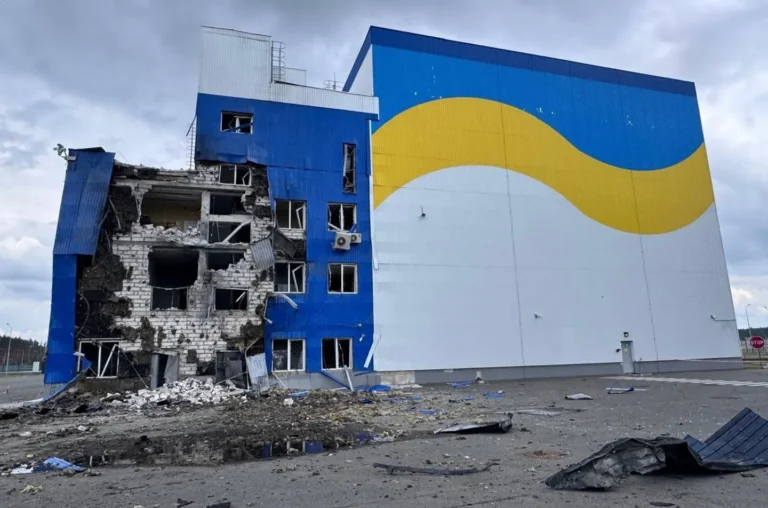
The broader Iranian strategy involves widening the scope of the confrontation to include attacks on US bases across the Middle East. By doing so, Tehran hopes to foster the perception among regional states that the US military is unable to protect them. This approach is part of a larger effort to push the United States out of the region entirely.
Current US military presence in the region stands at approximately 50,000 troops, a significant reduction from the 250,000 personnel deployed at the peak of the Iraq invasion. As the US considers recalibrating its post-9/11 regional strategy, intelligence officials are discussing potential reductions in military footprint. However, the unresolved question of leadership in Tehran remains a critical variable, with internal differences between reformist supporters of President Masoud Pezeshkian and hardliners like Rezaei complicating the path forward.
Ultimately, experts suggest that while Iranian leaders desire an agreement, they believe they can afford to maintain a hard line. By playing for time and testing the US political calendar, Tehran is betting that the current deadlock serves its interests better than an immediate settlement. As both nations continue to trade threats, the risk of further escalation remains high. The report also notes that “The zone as described begins at the US Navy’s blockade line and extends into parts of the Gulf, which means Tehran is answering a naval blockade with a mirror image of one,” he tells. The report also notes that and it tells you Iran is trying to move the contest from the military domain, where it is losing, to the administrative and commercial one, where it still has a say,” he says, that is Washington’s own tool turned around. The report also notes that “The question of who administers the strait is precisely what caused the 60-day deadline of the Islamabad agreement to expire on 17 August,” as both sides failed to reach common ground on how to manage traffic through Hormuz, according to Toga. The report also notes that iran has “political will and means to do so,” he says, seeing an escalatory curve “in the days, weeks and months to come” aiming to persuade Trump that continuing war is much less advantageous for the US than bringing an end to it. The report also notes that “Iranian leaders see that, weakened as the country is, the system is holding. The report also notes that and Iran will want to make it an expensive one, and they can read the US calendar: the midterms are a test of strength for Trump. The report also notes that “I don’t see this ending anytime soon.