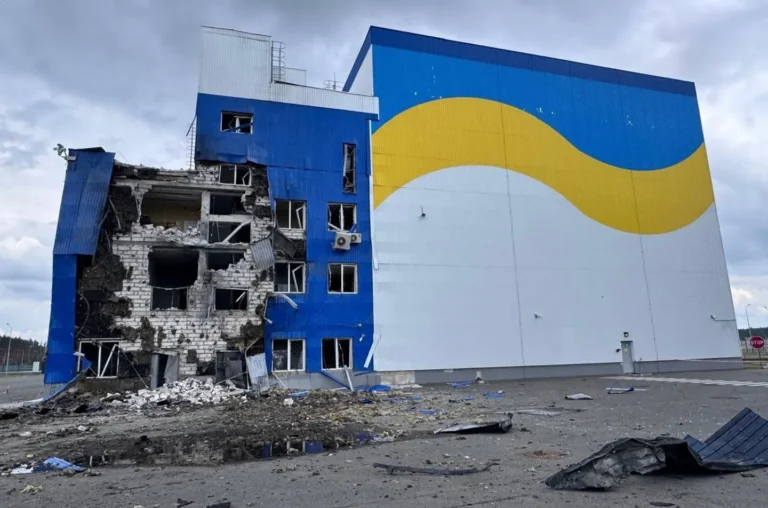







Tensions in the Middle East have intensified significantly as Saudi Arabia faces a wave of Houthi strikes targeting its southern energy infrastructure. Riyadh has pledged a firm response after the attacks, which officials say resulted in at least 73 injuries and triggered fires at multiple oil installations and utility sites. Among those wounded were women and children, according to Major-General Turki al-Malki, a spokesperson for the Riyadh-led coalition.
The strikes, which the Houthis described as a broad operation, specifically targeted facilities linked to the oil giant Aramco. The Jazan refinery, a critical piece of infrastructure capable of processing 400,000 barrels of crude oil daily, was among the sites affected. Houthi military spokesperson Yahya Saree stated that the offensive was a direct retaliation for recent Saudi military actions across Yemen.
This surge in violence represents the most severe escalation since a UN-brokered truce in 2022 brought a temporary halt to eight years of intense conflict. The renewed hostilities follow a series of Saudi-led operations earlier in the week, where aircraft and cruise missiles struck Houthi-held provinces including al-Jawf, al-Bayda, Marib, and Taiz. During these engagements, the Houthis claimed to have downed Saudi reconnaissance drones and alleged that an airstrike on a prison in al-Hazm resulted in seven fatalities.
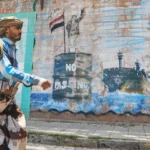
The conflict is increasingly centered on the strategic Bab al-Mandeb Strait, a vital maritime corridor connecting the Red Sea to the Gulf of Aden. With Iran restricting traffic through the Strait of Hormuz, the Bab al-Mandeb route has become essential for Saudi crude exports. Data shows that between March and mid-July, Saudi seaborne exports through the strait were eight times higher than during the same period in 2025. Analysts suggest the Houthis are attempting to leverage this maritime importance to gain both territorial and strategic advantages.
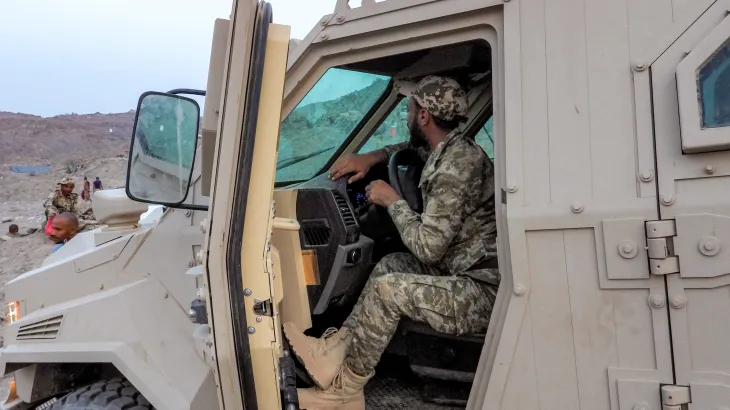
Simultaneously, the internationally recognized Yemeni government has intensified its own military efforts. On Sunday, government warplanes targeted Houthi positions in Hodeidah, Marib, and al-Jawf. By Monday, government-aligned forces launched a ground offensive toward the al-Labanat mountains, though the Houthis reported repelling the advance. Rashad al-Alimi, head of the Presidential Leadership Council, reaffirmed the government’s commitment to restoring state authority, while Deputy Defence Minister Major-General Samir al-Sabri emphasized a resolve to liberate the country from Houthi control.
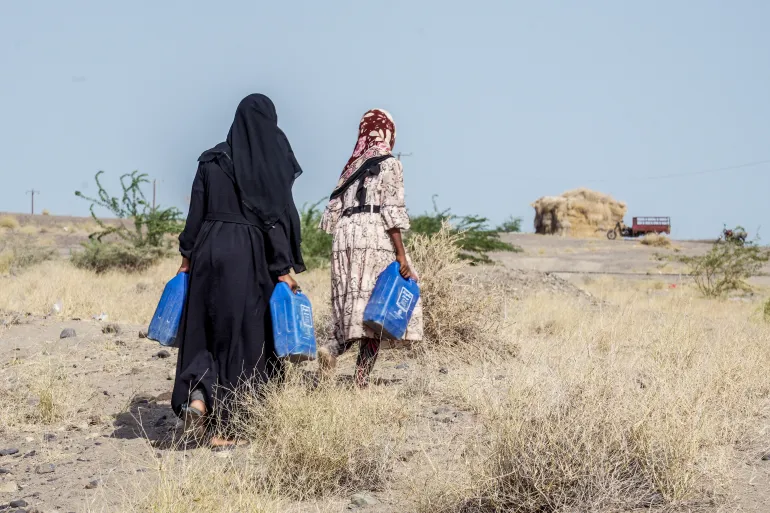
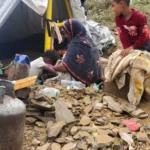
The humanitarian impact of the renewed fighting is rapidly worsening. The World Health Organization reported that at least 728 people have been killed or wounded since August 23, with the majority of casualties occurring in recent days. Displacement is also climbing, with approximately 21,000 people—roughly 3,000 families—fleeing Taiz alone since last Thursday. Observers warn that the situation is experiencing a significant deterioration, further straining one of the world’s most vulnerable populations.
Looking ahead, analysts remain divided on the long-term trajectory of the conflict. While Saudi political analyst Khaled Batarfi expects a measured, eye-for-an-eye response rather than a prolonged war, others point to the historical precedent of negotiated settlements in Yemen. Experts suggest that while the current escalation is severe, the ultimate resolution is unlikely to be a winner-takes-all scenario, pointing toward an eventual return to diplomatic negotiations. The report also notes that after eight years of a full-blown conflict that killed tens of thousands of people in one of the world’s poorest countries, the renewed hostilities are the most serious since a UN-brokered truce halted large-scale fighting in 2022. The report also notes that and what comes next, so what do we know about the latest fighting. The report also notes that riyadh did not immediately comment on the attacks. The report also notes that meanwhile, on Tuesday, Major-General Turki al-Malki, the Saudi spokesman for the Riyadh-led coalition in Yemen, said the Houthis carried out attacks on the Saudi cities of Abha, Khamis Mushait, Jazan and Najran, injuring at least 73 people, among them women and children. The report also notes that including the Jazan refinery, one of the kingdom’s largest, with the capacity to process 400,000 barrels of crude per day, southern Saudi Arabia is home to key oil infrastructure. The report also notes that why is this escalation taking place now. The report also notes that the Houthis declared a blockade against Saudi shipping in July. The report also notes that the Houthis have also pushed towards government-held areas near al-Makha (Mocha) and territory bordering the Bab al-Mandeb Strait amid reinforcements and counteroffensives from government forces.