



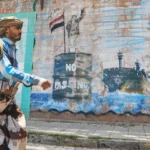




Iran has announced intentions to establish a new restricted zone surrounding the Strait of Hormuz, a critical global energy chokepoint. This move follows a series of maritime attacks between Tehran and Washington, which experts have characterized as a dangerous escalation. The announcement comes in the wake of a 60-day memorandum of understanding (MoU) signed on June 17, which collapsed last month due to ongoing disputes regarding control over the waterway.
Mohsen Rezaei, Secretary of Iran’s Supreme National Security Council, stated that the zone would be formally announced in the coming days. According to Iranian state media, the area will begin from the line of the US naval blockade, extend toward the Strait of Hormuz, and continue into the Persian Gulf. Rezaei warned that any vessel entering this designated area would be placed on an Iranian sanctions list. He further noted that Tehran would only commit to keeping the strait open once the United States ceases its threats, sabotage, and attacks against Iran.
While Tehran has signaled these plans, specific details regarding the zone’s precise boundaries and the practical implications of being placed on an Iranian sanctions list remain unclear. Rezaei added that new navigational maps, developed in coordination with Oman, are expected to be approved soon. Deputy Foreign Minister Kazem Gharibabadi previously indicated that Iran and Oman had reached an agreement on a temporary maritime route, with entry points located within Iranian territorial waters.
The international community and the United States have yet to provide a formal response to the announcement of the new restricted zone. However, tensions remain high; on Sunday, Washington dismissed an Iranian claim that a US vessel had attempted to enter an area Tehran considers restricted. US Central Command spokesperson Captain Tim Hawkins described the Iranian account as a total fabrication. This incident followed recent reports of Washington targeting three Iranian oil tankers, while Tehran allegedly struck tankers and fired a ballistic missile toward US warships.
The current situation marks a significant departure from the brief period of stability provided by the June 14-point MoU, which had seen the US agree to end its naval blockade within 30 days while Iran pledged to clear mines and allow safe passage. Since March, at least 19 seafarers have been killed and dozens of vessels have been attacked. Analysts suggest that Iran’s push for a restricted zone may be an attempt to provoke a broader US military response, potentially to justify further actions against regional US facilities or to rally domestic support amid economic hardship.
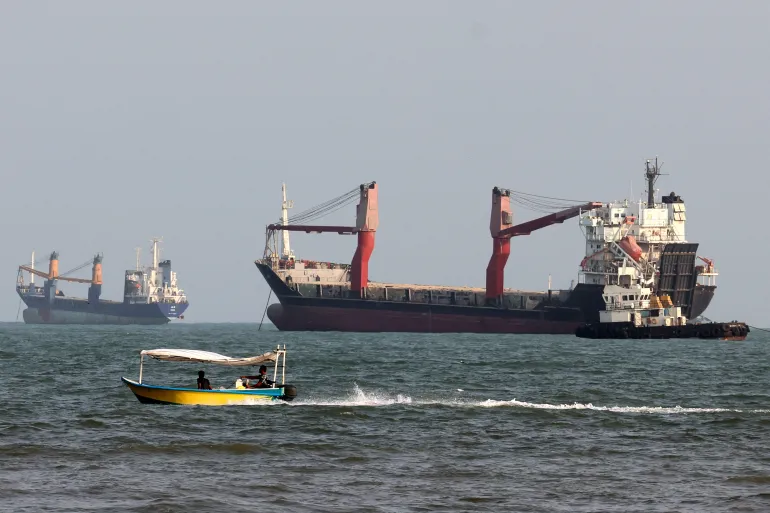
Regarding navigation, Iran has been attempting to dictate routes through the strait since April, directing vessels closer to its coastline. This has been contested by a southern corridor established in June by Oman and the International Maritime Organization. The Islamic Revolutionary Guard Corps has repeatedly objected to alternative routes, labeling the Iranian-approved path as the only authorized option. Despite these challenges, traffic continues to flow through the strait, albeit at reduced levels.
US Energy Secretary Chris Wright stated on Sunday that, when accounting for pipelines that bypass the waterway, oil flows are currently at approximately two-thirds of pre-conflict levels. While Wright asserted that the US Navy is effectively managing the situation, the United Kingdom Maritime Trade Operations Centre reported that 59 ships passed through the strait in the most recent period. President Donald Trump has maintained that the US retains control of the waterway, a claim that Tehran continues to dispute. Recent tracking data remains inconsistent, with some days showing as few as six vessels crossing the strait, reflecting the ongoing volatility in the region. The report also notes that the latest escalation started after Iran targeted US warships patrolling and escorting oil tankers trying to evade the Tehran-imposed blockade of the strait. The report also notes that prior to the start of the war, 20 percent of the world’s oil and gas supplies flowed through the strait. The report also notes that so, where exactly will Iran’s proposed zone be, what restrictions will apply, and how does Tehran intend to enforce this. The report also notes that what did Iran say about the restrictive zone. The report also notes that the Stoic Warrior, subsequently used a route that took it close to the coasts of the United Arab Emirates and Oman before passing around the Musandam Peninsula, an Omani exclave, a Liberian-flagged tanker. The report also notes that traffic in the strait had picked up, following the 14-point MoU signed in June in the Swiss city of Geneva. The report also notes that but the resumption of attacks has severely limited commercial shipping in and around the key waterway.