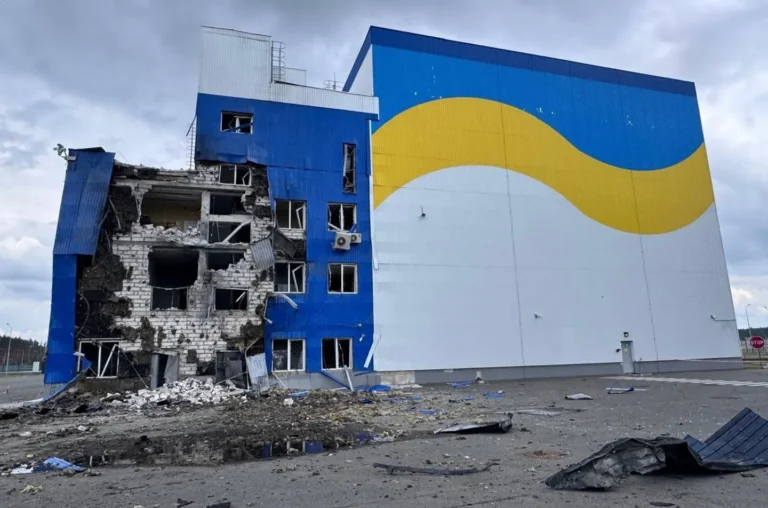







The United States military conducted a strike on Larak Island in southern Iran, marking the first such attack against the country since late July. A US official confirmed the operation, which targeted specific launchers prepared to fire rockets equipped with mines toward the strategic Strait of Hormuz.
The Islamic Revolutionary Guard Corps (IRGC) later confirmed the incident, characterizing it as an attack by the “American-Zionist enemy.” The IRGC reported that the strikes resulted in both deaths and injuries among their personnel. In a formal statement, the organization warned, “This act will be responded to by the sons of Islamic Iran and will result in punishment of the aggressor.”
This military action occurs as the US-Israel conflict with Iran enters its seventh month. While the administration has recently emphasized a strategy of financial pressure and sanctions to isolate Tehran, the strike highlights a continued willingness by Washington to utilize direct force. Pentagon chief Pete Hegseth has previously signaled that the US remains prepared to engage militarily if necessary.
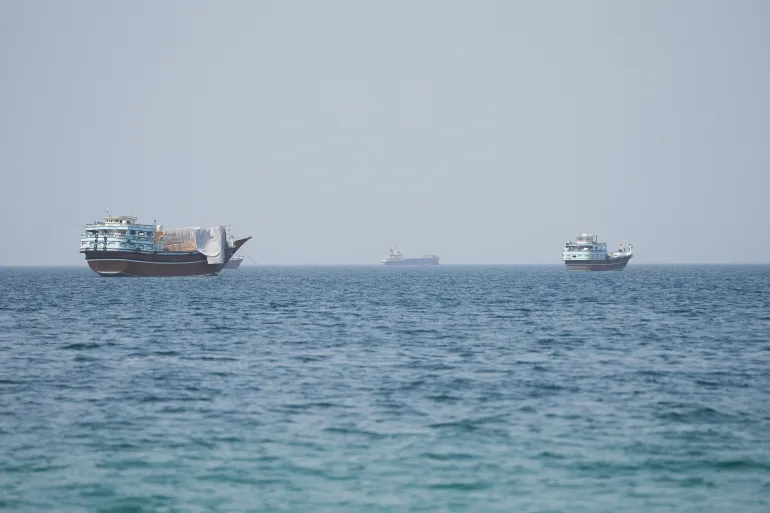
Tensions remain high regarding the Strait of Hormuz. While US officials claim they are successfully securing the passage of millions of barrels of oil under military protection, Iran maintains that it has effectively blockaded the waterway. Reports of ship attacks in the region continue to emerge on a near-daily basis.
Iranian Foreign Minister Abbas Araghchi challenged US claims regarding oil transit on Saturday. In a post on X, Araghchi stated, “Our intelligence shows major efforts to game energy markets,” adding that US government elements are using media influence to manipulate prices and keep President Donald Trump engaged in a “losing war.”
The economic impact of the conflict remains a significant domestic issue in the United States. The average price of a gallon of gasoline has climbed to over $4, up from less than $3 when the conflict began in late February. These rising energy costs are contributing to broader inflation, a factor that could influence the upcoming November midterm elections.
Last week, the Trump administration announced a new push to tighten financial isolation on Tehran by threatening secondary sanctions against any international entities conducting business with Iran. Despite these efforts, Iranian leadership has remained defiant, asserting their readiness for a prolonged conflict.
Historically, Iran has responded to similar US strikes by launching drones and missiles at military bases hosting American troops in neighboring countries. As the situation evolves, the administration faces the dual challenge of managing a complex sanctions regime while navigating the persistent risks of direct military confrontation in the Persian Gulf. The report also notes that tehran vowed to retaliate for Sunday’s attack. The report also notes that iran’s Fars News Agency had reported that explosions were heard near the island. The report also notes that israel-aligned actors also promote war with rosy assessments. The report also notes that consumers feel the real bottom line.”. The report also notes that up from less than $3 when the US and Israel launched the war late in February, the average price of one gallon (3.8 litres) of petrol in the US is still more than $4.