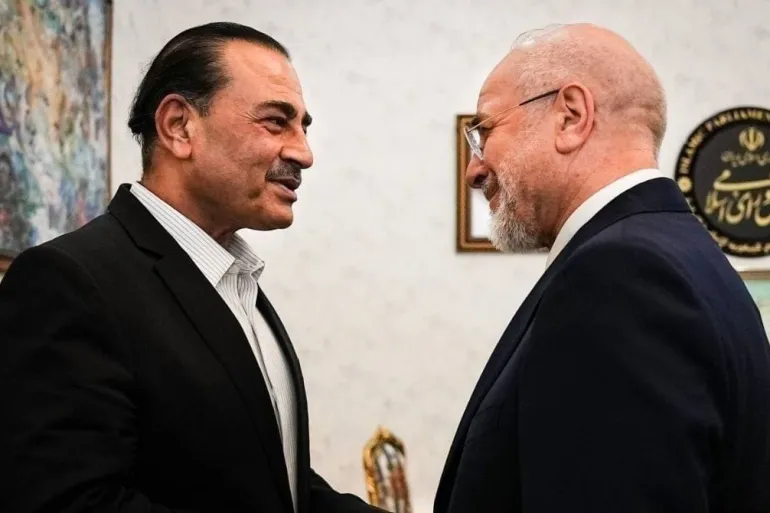






Pakistani Field Marshal Asim Munir conducted a series of high-level meetings in Tehran on Monday, engaging with the presidency, parliament, the Supreme National Security Council, and the foreign and interior ministries. His visit comes at a critical juncture in the six-month-old conflict between Iran and the United States, as international observers look to Islamabad to help revive stalled peace negotiations.
During his visit, Munir held discussions with Iranian President Masoud Pezeshkian and Parliament Speaker Mohammad Bagher Ghalibaf, the latter of whom serves as Tehran’s primary negotiator in the ongoing talks. The core challenge for the Pakistani leader is to leverage his military background to influence Iran’s security establishment, which remains deeply skeptical of Washington’s intentions.
The internal friction within Iran was highlighted just days before the visit. President Pezeshkian, addressing a group of doctors, argued that it was time to conclude the war while Iran maintained a position of strength. He stated, “It is better that we bring the war to an end now as we are in a position of power and dignity,” adding that “the whole world acknowledges our victory.” However, this sentiment was immediately countered on August 21 by Major-General Ali Abdollahi, the chief of the general staff of Iran’s armed forces, who vowed “revolutionary, crushing, regret-inducing and devastating” responses to any American miscalculation.
Analysts suggest this disconnect between the civilian government and the military hierarchy is a primary obstacle to peace. To address this, Munir met with General Mohsen Rezaei, a representative of Supreme Leader Mojtaba Khamenei and the newly appointed secretary of the Supreme National Security Council. Rezaei is viewed as a vital link between the military and the Supreme Leader, making his cooperation essential for any potential agreement.
The timing of the visit coincided with the United States escalating its pressure on Tehran. US President Donald Trump had threatened an “economic D-Day” of sanctions, and later that day, Treasury Secretary Scott Bessent introduced “Operation Economic Outcast.” This campaign targets Iran’s shipping, technology, aviation, gold, and digital assets. While the US warned other nations against trading with Iran, it stopped short of imposing specific penalties on those countries, citing concerns that such measures would destabilize the global financial system.
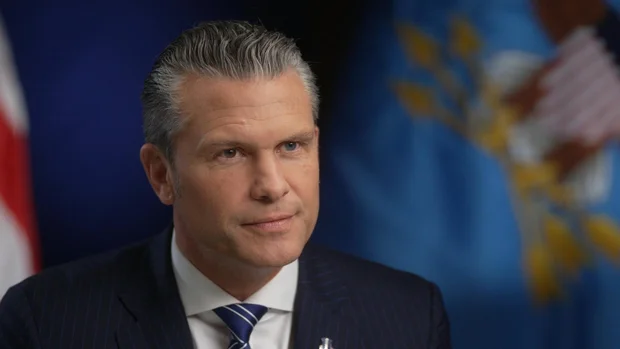
Simultaneously, US Defense Secretary Pete Hegseth maintained that military options remain on the table. “If we need to use kinetic strikes, we’ll use them. If Iran is foolish enough to overplay their hand or mess with the American military, we’ll do what we need to do,” Hegseth stated.
Munir’s diplomatic efforts follow a direct request from President Trump, who reportedly called the Pakistani army chief to urge Islamabad to use its influence to bring Iran back to the negotiating table. This marks Munir’s fourth trip to Tehran this year, though it is his first since a significant reshuffle of Iran’s military leadership on August 10. That reshuffle saw Abdollahi installed as chief of the general staff and Rezaei moved to the Supreme National Security Council, joining Ahmad Vahidi, the commander of the Islamic Revolutionary Guard Corps (IRGC).
According to Ahmed Saeed, a defense analyst and former vice admiral in the Pakistani navy, the military’s influence is paramount. “It is increasingly the IRGC and the wider security establishment driving decisions on war and peace during this crisis,” Saeed noted, adding that Islamabad’s advantage lies in its direct access to figures like Vahidi, Abdollahi, and Rezaei.
While Pakistan’s Inter-Services Public Relations (ISPR) reported “comprehensive discussions” regarding the reopening of the Strait of Hormuz and ending the war, the public stance from Iranian officials remained firm. During the meetings, Rezaei told Munir that Iran continues to distrust the US and insists that Washington must change its behavior. Ghalibaf echoed this, emphasizing that the US must adhere to the terms of existing memoranda of understanding.
Andreas Krieg, an associate professor of defense studies at King’s College London, noted that the divide between the Iranian military and civilian leadership reflects a fundamental disagreement over the war’s trajectory. While civilian leaders seek an exit, parts of the IRGC believe that time is working in their favor against Washington. Ultimately, experts argue that even if diplomats reach an agreement, it will remain unimplemented unless the security apparatus accepts the operational consequences of such a deal. The report also notes that many analysts say that Munir’s true test as mediator will lie in his ability to use his position as an influential military leader to convince his Iranian counterparts in olive uniforms to agree to a return to talks with Washington, but amid a deadlock in those peace negotiations. The report also notes that meanwhile, Defense Secretary Pete Hegseth, speaking the same day, kept the option of renewed strikes open. The report also notes that it’s unclear whether Munir’s visit helped stave off broader US action against Iran and its trading partners. The report also notes that who travelled with Munir, went further, calling the talks “very positive and productive” and saying “significant progress was made”, pakistan’s Interior Minister Mohsin Naqvi. The report also notes that potentially giving a fellow man in uniform an edge over traditional diplomats in convincing Tehran to get back to talks, it is these military men that analysts say are now shaping Iran’s war moves. The report also notes that naqvi, the interior minister, has travelled to Tehran eight times since April without those visits producing a substantial breakthrough. The report also notes that but unlike him, Munir is not a politician. The report also notes that in accounts carried by Iranian state media, differed little from what they have been telling their own broadcasters all week, what Iranian officials actually told Munir.