
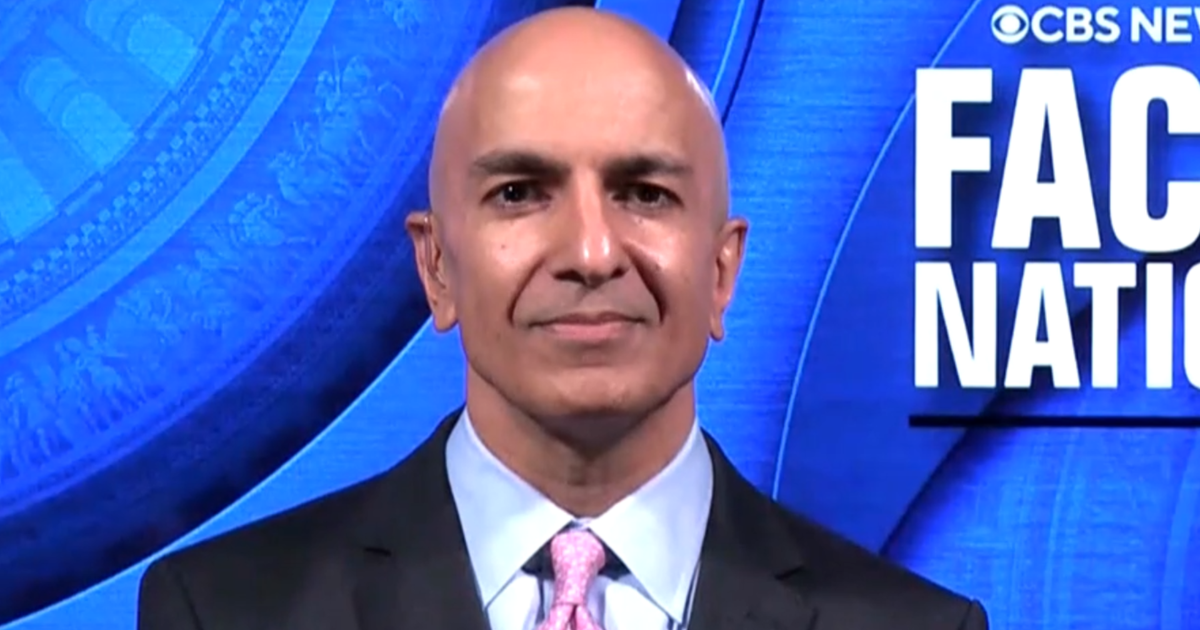









Neel Kashkari, president of the Federal Reserve Bank of Minneapolis, warned on Sunday that the escalating trade conflict between the United States and Canada risks extending the period of elevated inflation in the U.S. Speaking on “Face the Nation with Margaret Brennan,” Kashkari emphasized that prolonged uncertainty in trade relations acts as a significant economic headwind.
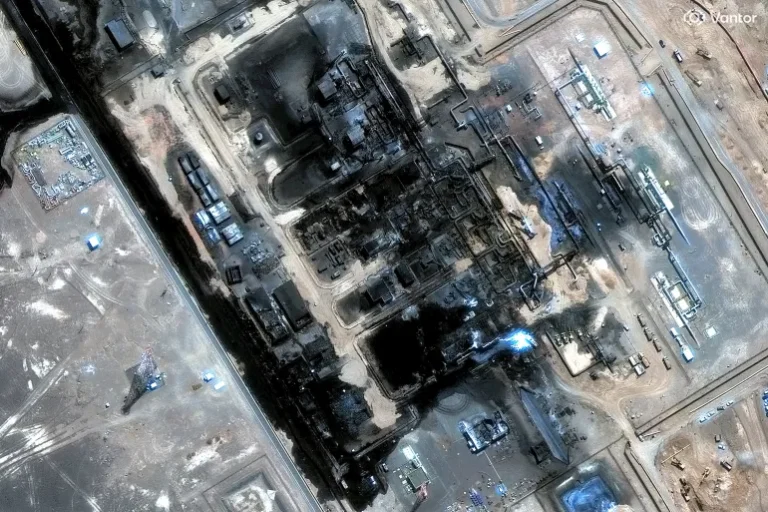
“The longer there’s back and forth on the trade front, just like the longer there’s back and forth in the conflict of Iran, the imprint and inflation end up being extended and delayed,” Kashkari stated. He noted that while the U.S. has faced five years of high inflation driven largely by supply shocks, the current trade dynamic has become a critical factor requiring close monitoring.
The trade standoff intensified on Saturday as the U.S. began imposing 50% tariffs on Canadian goods following a breakdown in negotiations. U.S. Trade Representative Jamieson Greer confirmed that no further talks are currently scheduled. In response, Canadian Prime Minister Mark Carney has pledged retaliatory measures, with specific details expected this week ahead of a planned implementation date of September 8. The retaliatory tariffs are slated to affect various sectors, including steel, dairy, electronics, paper, pulp, and agricultural equipment.
Kashkari highlighted the deep economic integration between the two nations, noting that Canada remains America’s second-largest trading partner, with the countries exchanging $880 billion in goods and services in 2025. He argued that businesses need a predictable environment to adjust their operations effectively.
“To the extent that we can get to a new normal, a level of whatever the trade dynamic is going to be, once we can get to that steady state, then businesses can adjust, and the inflationary impact can fade into the background,” Kashkari explained. He also pointed to the ongoing conflict with Iran as another major driver of inflation due to its broad impact on energy prices.
The current trade friction adds to a complex relationship between the two nations, which has already been strained by disagreements over NATO, a dispute regarding a bridge in the Detroit area, and rhetoric concerning Canada’s status. As the situation develops, the Federal Reserve continues to evaluate how these external supply shocks influence the broader U.S. economic outlook. The report also notes that inflation, should the tense trade dynamic that came to a head in recent days between the historically allied countries continue. The report also notes that on Saturday began imposing 50% tariffs on Canadian products after negotiators failed to reach an agreement to resolve the standoff over trade between the key partner countries.