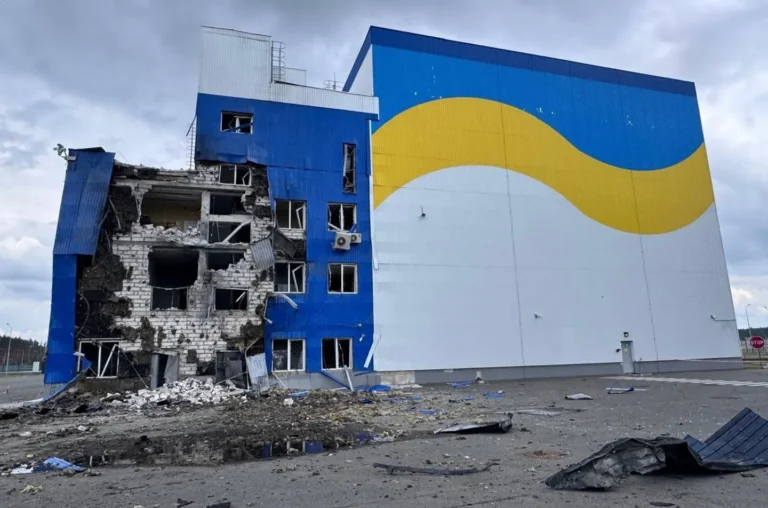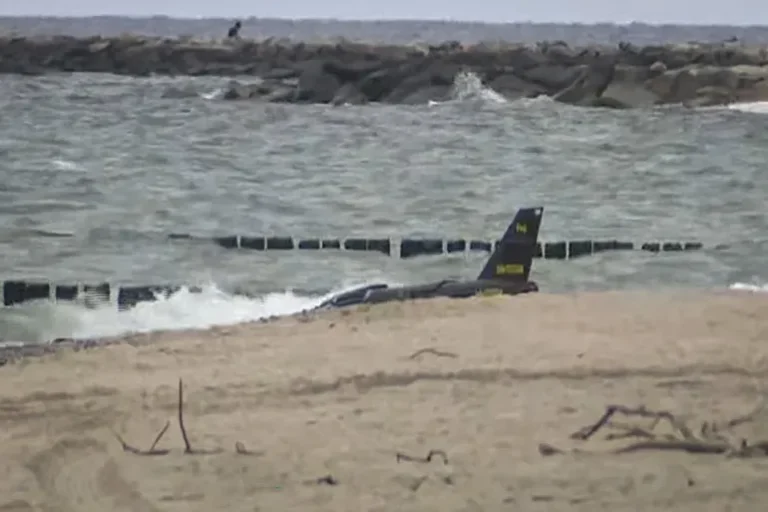










A significant Ukrainian drone and missile operation has struck the Russian port city of Novorossiysk, resulting in damage to two major grain export terminals and the country’s primary naval base on the Black Sea. Local authorities reported that the overnight assault claimed the lives of three people, including an eight-year-old child, while leaving 24 others injured.
Ukrainian President Volodymyr Zelensky characterized the offensive as a unique operation involving rockets, jet drones, and naval drones. While he did not explicitly mention the grain terminals, he stated on social media that the occupying fleet and its supporting infrastructure would remain vulnerable as long as Russian aggression persists. The Ukrainian military later claimed that four Russian warships, including two frigates, were struck during the engagement.
Novorossiysk serves as a critical hub for the Russian Black Sea fleet, which relocated there after its former base in Sevastopol, occupied Crimea, became too vulnerable to Ukrainian strikes. Following the attack, the Russian agriculture ministry announced it is shifting cargo logistics to alternative routes, including the Baltic and Caspian Seas and land corridors, to manage current logistical constraints.
The city of Novorossiysk declared an emergency situation on Wednesday as drones damaged pipelines and disrupted the local water supply. Regional Governor Veniamin Kondratyev reported that several hundred drones targeted various locations across the Krasnodar region, damaging dozens of buildings and homes. One man was killed by falling debris in the surrounding area.
In a reciprocal escalation, Russia launched its own aerial strikes against Ukraine between Tuesday and Wednesday, killing at least 11 civilians. The majority of these casualties occurred in the southern city of Zaporizhzhia, which was targeted by ballistic missiles and glide bombs. These events mark a significant intensification of the conflict, as both nations have resumed targeting each other’s maritime infrastructure throughout the summer.
The disruption is expected to have a substantial impact on global food markets. Russia, the world’s largest wheat exporter, may see its August exports drop by more than 50% compared to the five-year average due to the instability in the Black and Azov seas. Russian foreign ministry spokeswoman Maria Zakharova accused Ukraine of deliberately targeting agricultural infrastructure, claiming the strikes are driving up global food prices and causing shortages.
Zakharova further stated that Russia would continue to strike Ukrainian facilities used to destabilize navigation in the Black Sea until all security threats to the region are eliminated. This ongoing volatility has reignited concerns regarding global food security, which have persisted since the full-scale invasion began in 2022.
The collapse of the 2022 Black Sea Grain Initiative, which previously allowed for the safe export of Ukrainian agricultural products, has left the region’s shipping lanes increasingly dangerous. Recent Russian strikes on the port of Odesa and cargo vessels have already caused a 23% decline in Ukrainian exports as of July, according to the Ukrainian Agribusiness Club.
As both sides continue to target critical logistics, the conflict remains a major factor in the instability of global grain supplies, particularly for nations in the Middle East, North Africa, and Asia that rely on exports from the region.
A major grain trading company confirmed to Russia’s TASS news agency that its terminal had been hit, while another told Reuters and Russian outlet RBK the same.
It did not make any reference to Ukraine’s attacks but said it was “taking into account current logistical constraints”.
Concerns over how the war in Ukraine would affect global food supplies have been persistent since the start of Russia’s invasion in 2022.
Repeated explosions reportedly rang out over Novorossiysk throughout the night as air defences shot down aerial objects.
After a period of relative calm in the Black Sea, over the course of this summer Kyiv and Moscow resumed striking one another’s ports and shipping.
The last remaining sea route out of Ukraine has been badly affected by several deadly Russian strikes on cargo ships and the port of Odesa, through which Moscow seeks to put off foreign companies from trading with Ukraine.
Meanwhile, Ukraine has grown increasingly adept at carrying out long-range strikes on Russian territory.
In Odesa, no-one is safe from Russia’s new Black Sea strikes Published 6 days ago
At least 13 killed in Ukrainian drone strike deep into Russia Published 2 days ago
At least 13 killed in Ukrainian drone strike deep into Russia