
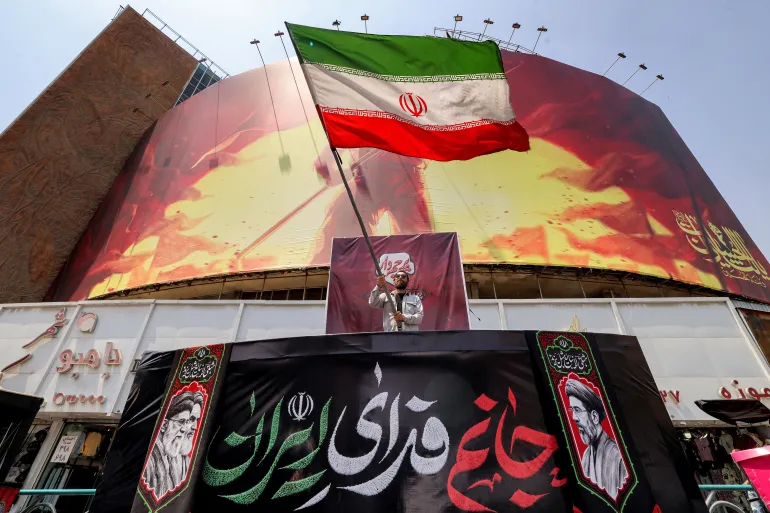






More than 23 weeks into the ongoing conflict, United States President Donald Trump has indicated a strategic pivot, signaling a preference for squeezing Tehran’s economy over the military offensive he threatened just last week. While the Strait of Hormuz remains a central point of contention, with Iranian forces disrupting shipping and a US naval blockade tightening around Iranian ports, the administration appears to be recalibrating its approach.
Although Iran and Oman have reported progress toward an agreement regarding the management of the Strait of Hormuz, President Trump characterized the current US engagement with Tehran as “only semi-negotiating.” For its part, the Iranian government has denied that any direct talks with Washington are taking place.
Explaining the shift in tactics, Trump told Axios in an interview on Sunday that his administration is “low-keying it.” This stance marks a significant departure from his rhetoric last week, when he issued a stern warning to what he termed a “duplicitous” Iran, offering the nation “one last chance” to reach a deal or face catastrophic military strikes.
Trump now aims to leverage Iran’s financial instability, pointing to high inflation and the regime’s reported difficulty in paying its soldiers. He credited the US naval blockade, which has been in effect since April, with exacerbating these domestic pressures. “We are just watching Iran with its huge inflation and the fact they have no money,” the president stated, adding that he remains confident in the outcome, comparing the situation to a “chess game.”
The economic strategy is bolstered by falling global oil prices, which were trading at approximately $78 a barrel on Monday. This decline has helped mitigate the impact on US consumers, who previously faced price spikes above $100 a barrel following the closure of the Strait of Hormuz. Vice President JD Vance echoed the administration’s multi-pronged approach on Fox News, noting that the US is utilizing a combination of diplomatic, economic, and military tools to secure the best outcome.
The US naval blockade is specifically designed to target Iran’s oil exports, which were estimated at 1.5 million barrels per day. On Saturday, US Central Command (CENTCOM) reported that it had redirected 53 commercial vessels, boarded two, and disabled two others. Trump described this effort as an unyielding “wall of steel,” while Iranian authorities claim the blockade has reduced their crude exports to near-zero levels.
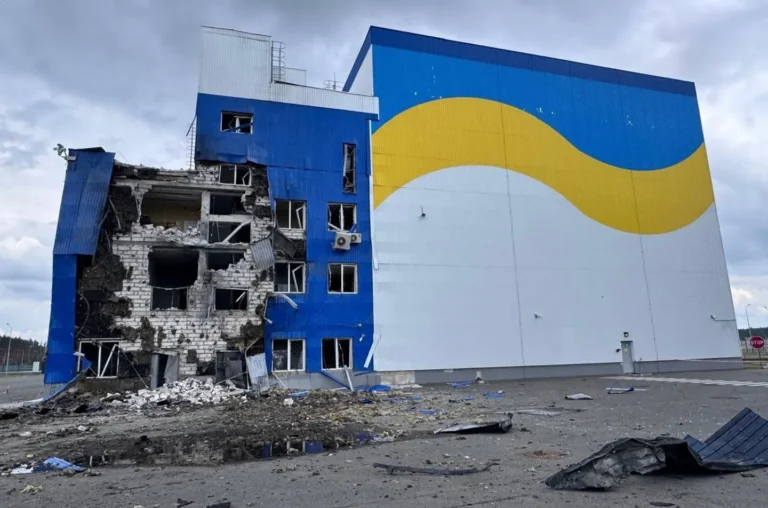
These export constraints are compounding existing structural issues and years of sanctions within Iran. Furthermore, the country’s infrastructure has sustained significant damage since the war began on February 28—the same day Iranian Supreme Leader Ali Khamenei was killed. Tehran has demanded compensation for these losses as a prerequisite for reopening the Strait of Hormuz.
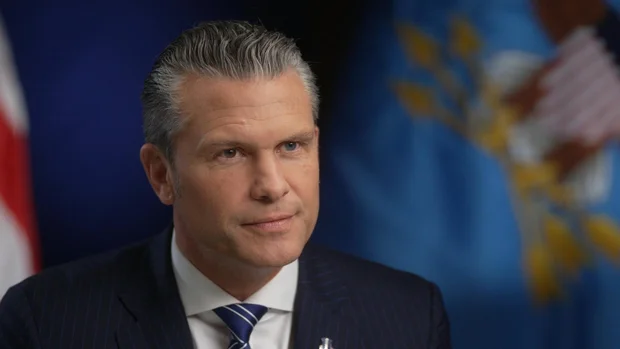
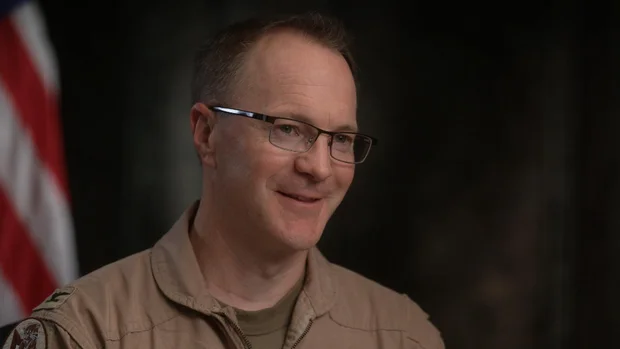
Concerns regarding military readiness have also surfaced. Reports from Axios and The Washington Post suggest that the US is facing a shortage of munitions, including air defense interceptors, which could limit the military’s ability to protect its assets in the region. General Dan Caine, chairman of the Joint Chiefs of Staff, reportedly cautioned both the president and Defense Secretary Pete Hegseth about these supply constraints. However, Jarred Conley, a principal deputy director at the Defense Department’s Defense Innovation Unit, told Al Jazeera that the US maintains sufficient munitions to execute its current operations.
The political stakes are high for the administration, as the war remains unpopular domestically ahead of the November midterm elections. A recent Reuters/Ipsos poll indicates that only 35 percent of Americans approve of the conflict. Notably, for the first time since polling began on this issue in December 2024, registered voters have expressed more confidence in the Democratic Party’s approach to war and terrorism than in the Republican Party’s, by a margin of 37 percent to 36 percent.
Mehran Kamrava, a professor at Georgetown University in Qatar, expressed skepticism regarding the efficacy of the US economic pressure campaign. He noted that Iran has attempted to counter this by using missile and drone strikes to pressure regional neighbors, including Qatar, the UAE, Saudi Arabia, and Kuwait, hoping they will in turn influence Washington to negotiate.
“Neither side is willing to take that first step and extend an arm and say, ‘Let’s sit down and negotiate,’” Kamrava observed. He further argued that Iran’s leadership is not susceptible to the same internal political pressures as the Trump administration.
“Tehran is under tremendous economic pressure, but we need to bear in mind that Iran’s political system is ultimately a very repressive one,” Kamrava explained. “It’s not that people making decisions directly care about the plight of the middle classes. They want to stay in power, so I’m not sure if this tactic is going to work at this point.”
Now, Trump said, he wants to hit Iran economically instead.
The aim is to reduce Iran’s oil exports – estimated at about 1.5 million barrels per day – and thereby significantly decrease its oil revenues.
Trump began his second term in the White House at the beginning of last year promising to avoid “stupid wars”.
So after months of expansive fighting, why is Trump turning to economic pressure over military force in this conflict?
Several US media reports have indicated that Washington is running low on munition stockpiles due to the fighting in the Middle East and Ukraine.
The Pentagon has asked the US defence industry to rapidly escalate the production and delivery of weapons, including munitions in extremely short supply due to the war with Iran, The Washington Post reported, citing a Department of Defense memo.
This is the first time Democrats have led since Reuters/Ipsos polling began posing the question in December 2024 when Republicans led 39 percent to Democrats’ 28 percent.
He noted that Iran has been able to exert considerable pressure on Gulf countries where US military assets and infrastructure are located by attacking them with missiles and drones.
At the outset, the US said the war was about restricting Iran from developing a nuclear weapon, which Tehran said it was never intending to do, and forcing a change in Iran’s government, which Trump has quietly dropped since.
The US also made other demands, including restricting Iran’s ballistic missiles programme and ending its support for Iran-aligned armed groups around the region, such as Hezbollah in Lebanon, the Houthis in Yemen and others in Iraq and Syria.
But a memorandum of understanding (MoU) that Iran and the US signed on June 17 to reopen the Strait of Hormuz and begin a 60-day negotiation period unravelled within days, mainly over disagreements about the management of the strait.
While the MoU did mention the eventual lifting of US sanctions on Iran and a reconstruction fund for Iran, it did not specifically cover US demands about Iran’s ballistic missile programme or regional armed proxy groups.
It also appeared to show the US had given up any hope of forcing regime change in Iran.