
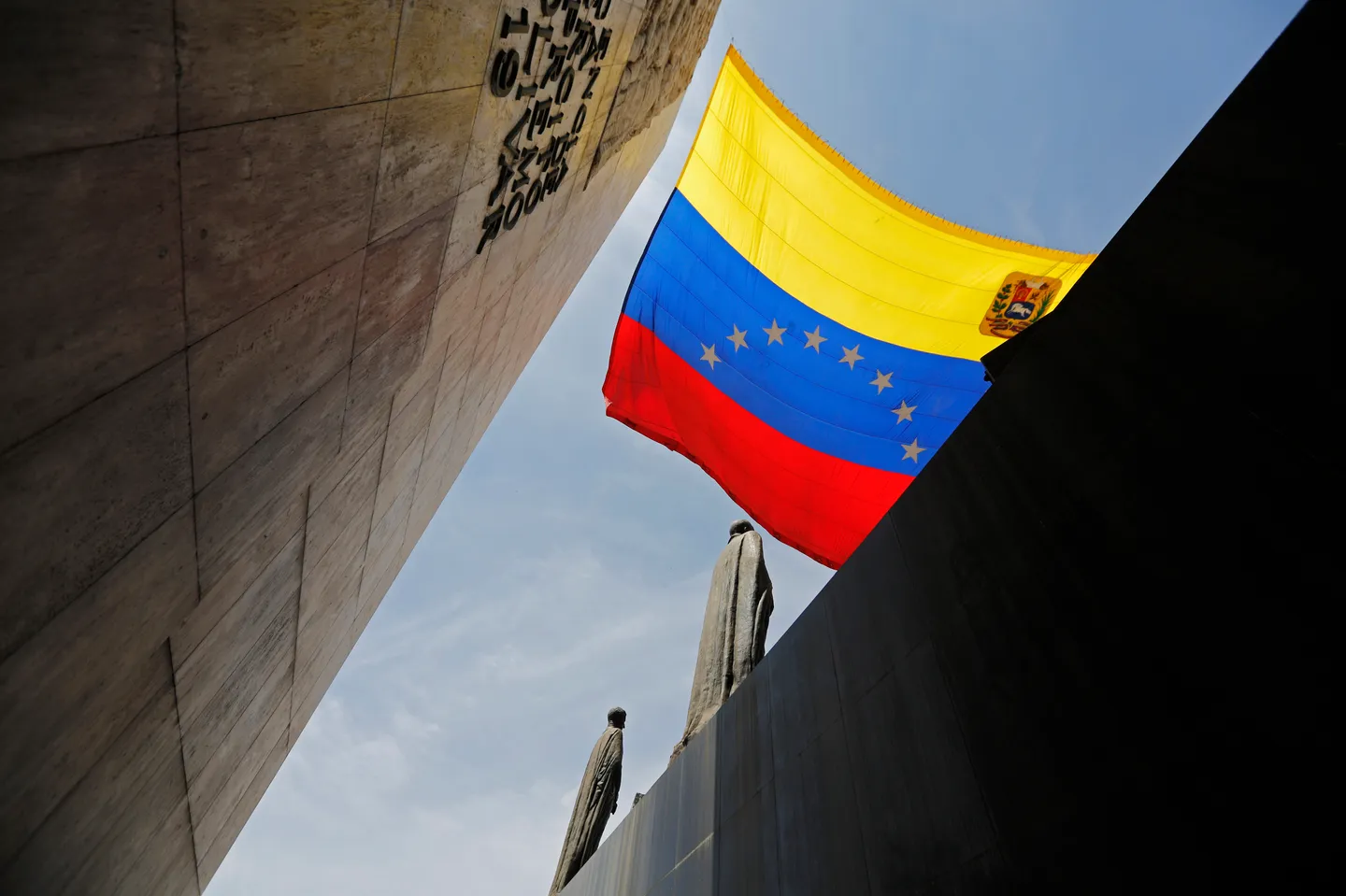



Washington, DC — Venezuela has initiated its first formal transition talks in years, fueled by cautious optimism as negotiators attempt to bridge a profound political divide. Representatives of the interim government and various opposition factions are expected to focus on rebuilding key state institutions, restoring electoral credibility, and laying the groundwork for future stability.
Still, expectations remain tempered among observers. Venezuela’s history is littered with failed negotiations, and the deep-seated mistrust between rival political camps means few are ready to characterize this moment as a definitive turning point for the nation.
Jenaro Abraham, a political scientist and professor of Latin American politics at Gonzaga University, tells that the most immediate outcome is likely to be a continued commitment to coordinating humanitarian assistance and reconstruction following the recent earthquake. He notes that these efforts, combined with potential economic adjustments, may strengthen arguments for the gradual easing of certain US and international sanctions if measurable political and institutional reforms are achieved.
Abraham says that the talks could also produce agreements on institutional reforms, including changes to electoral administration, judicial oversight, and political participation, saying that “even incremental progress in these areas could improve political stability and encourage greater international engagement with Venezuela.”
However, Venezuela’s security environment is unlikely to see immediate results, argues Abraham, with armed groups operating near the Colombia-Venezuela border. “Without a comprehensive security strategy and sustained institutional strengthening, these groups are likely to remain influential regardless of political agreements reached in the capital,” he adds.
Since Nicolas Maduro’s removal in January, one question has loomed over Venezuela’s public: can the country truly break free from Chavismo, or will its shadow persist? The behind-closed-doors talks now underway may not settle that question outright, but they could offer the clearest signal yet of what role—if any—Chavismo will still play in the nation’s future.
“The talks are more likely to shape how it (Chavismo) survives—as a governing party, a coalition partner, or a permanent opposition movement within a more competitive political landscape,” Abraham explains. “Although public frustration with the Maduro government has weakened support for the current administration, Chavismo remains one of Venezuela’s most organised political and social movements.”
Chavismo is a left-wing political ideology based on the ideas, programs, and government style associated with the former president of Venezuela, Hugo Chavez. Abraham notes that Chavismo is internally diverse, encompassing military sectors, state bureaucracies, labor organizations, communal councils, and various neighborhood organizations that have historically maintained significant grassroots influence.
The Venezuelan opposition is similarly heterogeneous, including liberal democrats, conservatives, social democrats, business interests, and regional political elites. The current talks are led by members of Venezuela’s pro-government National Assembly and a group of former opposition lawmakers who previously attempted to oust the administration. Notably, even Maduro has given a nod to the talks from his detention in the US.
However, opposition leader Maria Corina Machado has declined to participate, arguing that negotiations should only proceed once meaningful democratic guarantees are in place. Her exclusion has prompted criticism from supporters who believe any lasting settlement will require the participation of the country’s most influential opposition figures.
“While no single official explanation has been provided for her exclusion, several factors likely help explain it. First, she is not a representative of the 2015 National Assembly, which serves as the institutional basis for the opposition’s participation in the talks,” Abraham explains. “Second, many international actors and local stakeholders are prioritizing institutional continuity over individual political profiles at this stage.”
Washington has welcomed the transition talks, calling them “the first step in what will be a thoughtful process to secure a free and open Venezuelan society.” After meeting Paraguayan Vice President Pedro Alliana in Washington, Secretary of State Marco Rubio told Newsweek that considerable work has gone into “laying the groundwork for an election.”
Despite this, economic recovery remains stalled. Trump said soon after Maduro’s removal that US companies would move quickly to rebuild the energy sector, but eight months later, no new deal with American firms has materialized, according to Axios. There is a growing consensus that a phased approach—pairing political reform with economic recovery and humanitarian aid—offers the country’s best shot at stability.
“Overall, the negotiations are more likely to lay the groundwork for gradual institutional normalization than to resolve Venezuela’s deeper political, economic, and security challenges in the short term,” Abraham says. “Any durable transition will depend less on the signing of agreements than on whether the parties are willing and able to implement them consistently over time.”