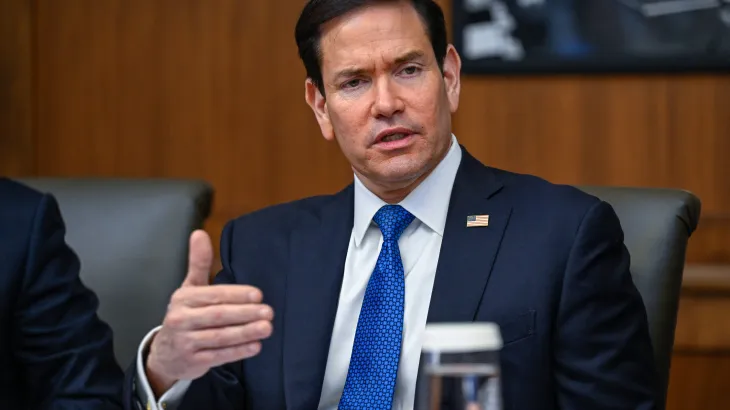








United States Secretary of State Marco Rubio confirmed on Tuesday that progress has been made in negotiations regarding the Strait of Hormuz, offering a potential breakthrough in efforts to de-escalate tensions between Washington and Tehran. While a final agreement remains pending, US Treasury Secretary Scott Bessent suggested that a deal could be finalized as early as “today or tomorrow.” Diplomatic sources in Tehran have similarly indicated that an accord could be reached by the end of Wednesday.
Iranian Ministry of Foreign Affairs spokesperson Esmaeil Baghaei described the ongoing discussions with Oman as “positive.” He noted that the talks are specifically focused on establishing secure inbound and outbound shipping lanes through the vital waterway. Although Iran maintains it is negotiating directly with Oman rather than the US, Washington has acknowledged its active involvement in the mediation process.
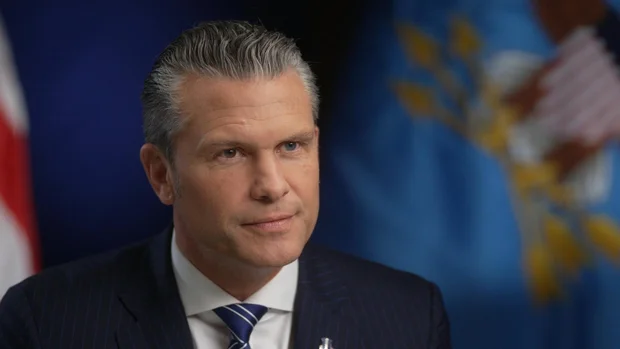
The current negotiations aim to establish a functional mechanism for safe transit, a move intended to address one of the most significant friction points in the recent months of conflict. Rubio emphasized that while the strait remains open and vessels continue to transit, the US is prioritizing a short-term agreement to ensure safe passage before addressing broader, more complex issues, such as the potential denuclearization of Iran.
Baghaei indicated that the talks have been evaluated favorably at both technical and political levels, though differences persist regarding operational details. Key outstanding issues include the specific mechanism for reopening the waterway, the implementation of maritime service fees, and various security arrangements. David des Roches, a former Pentagon director of Arabian Peninsula Affairs, suggested the likely outcome involves Iran denying free international passage in its territorial waters—negating the traditional right of innocent passage—while allowing transit through Omani waters.
Diplomatic activity is intensifying across the region to support these efforts. Qatar’s Emir, Sheikh Tamim bin Hamad Al Thani, held a telephone conversation with US President Donald Trump on Tuesday. During the call, President Trump praised Doha’s role in facilitating dialogue, while the Emir stressed the necessity of adhering to the memorandum of understanding established between the US and Iran in mid-June. Additionally, Pakistan has extended an invitation to Iranian Foreign Minister Abbas Araghchi for talks in Islamabad, though the status of that visit remains unconfirmed.
Simultaneously, US-mediated negotiations between Israel and Lebanon are continuing in Rome. These discussions are centered on the implementation of the June 26 framework, specifically addressing the disarmament of Hezbollah, Israeli military redeployments from southern Lebanon, and the restoration of Lebanese state authority in border regions, though significant gaps between the parties remain.
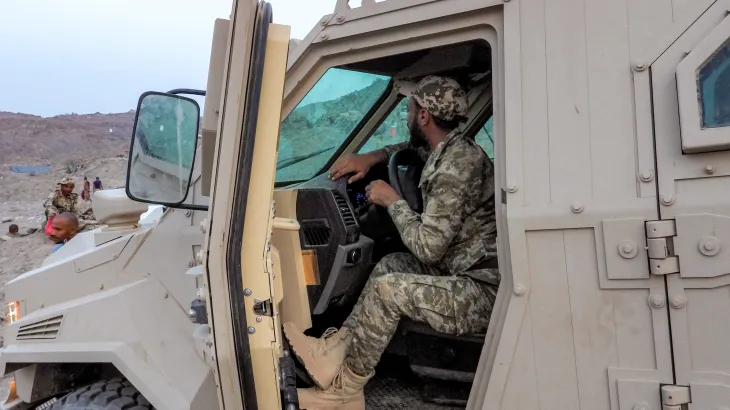
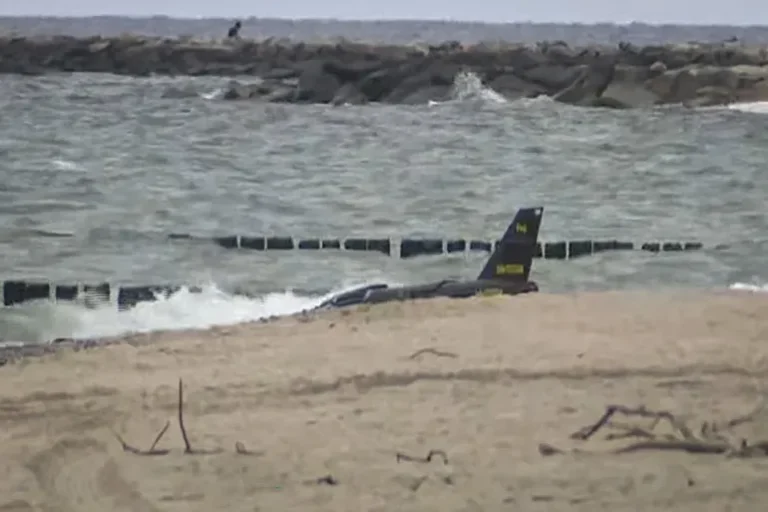
Despite these diplomatic overtures, the region remains volatile. On Tuesday, an Indian cargo vessel sank after being struck by a projectile near Yemeni waters. All 14 crew members were successfully rescued by the Yemeni coastguard.
In a separate incident, operations at Saudi Arabia’s Najran airport were suspended following a drone strike claimed by Yemen’s Houthi rebels. The group targeted what it identified as a “sensitive” Saudi military site, with a regional source reporting that the airport’s main radar was hit. The Houthis stated the attack was a response to Saudi drone operations over the Saada and Hajjah provinces. This follows the group’s declaration of a maritime blockade on Saudi Arabia last month and a series of subsequent attacks on commercial shipping, oil tankers, and energy infrastructure.
These developments highlight the stark contrast between cautious diplomatic progress and ongoing military instability. While officials express optimism regarding the Strait of Hormuz, broader disputes concerning regional security, Iran’s nuclear program, and persistent attacks by Iran-backed groups continue to complicate the path toward a comprehensive settlement.
“I think that’s probably about the best that can be reached at this point in time,” when it comes to a deal between the longstanding foes, said des Roches, speaking from Solomons Island, Maryland.
Meanwhile, Israel and Lebanon are holding another round of US-mediated negotiations in Rome aimed at implementing the June 26 framework agreement.
Saudi Arabia has responded with strikes targeting Houthi positions.