







Ukrainian President Volodymyr Zelensky has warned that his country holds only one-tenth of the interceptor missiles required to defend against escalating Russian ballistic missile strikes. In an interview with, Zelensky described his daily efforts to secure more supplies as a grueling process involving millions of phone calls and private, opaque negotiations with international allies.
The intensity of Russian ballistic attacks has spiked in recent weeks, particularly targeting Kyiv, as Moscow takes advantage of Ukraine’s depleted Patriot interceptor reserves. Zelensky stated that securing just 5% of the current US stockpile would be sufficient for Ukraine to endure the upcoming winter, while 10% would allow his forces to neutralize the threat of Russian ballistic missiles entirely. Currently, Ukraine possesses only 1% of what it needs.
Zelensky highlighted the widening gap in defensive capabilities, noting, “This year we have two and a half times less interceptors than we had in 2025.” Simultaneously, the volume of Russian ballistic missiles launched monthly has doubled. According to United Nations data, July marked the deadliest month for Ukrainian civilians since April 2022. Zelensky described the situation as exhausting for the population, noting that massive, terrifying attacks occur several times each month.
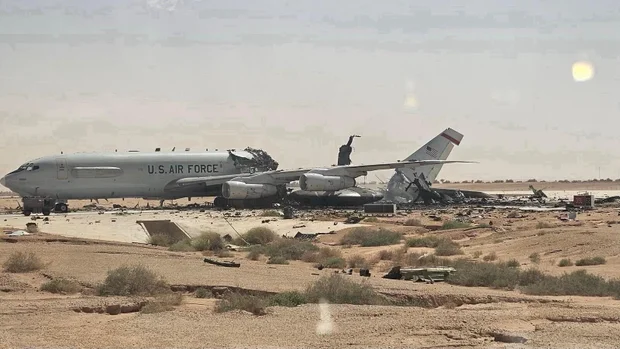
Global shortages of these missiles have been exacerbated by US involvement in conflicts elsewhere, including the Middle East, where interceptors were deployed to counter Iranian missile and drone threats. This scarcity leaves Ukrainian cities vulnerable to relentless rocket assaults. Zelensky acknowledged that he is engaged in complex, confidential deal-making to bridge the gap, stating, “I try to exchange something to missiles… I do some things which I can’t even share. It doesn’t mean that it’s outside of the law, but I can’t speak about it.”
The path toward domestic production of Patriot interceptors remains uncertain. While President Donald Trump previously suggested at the NATO Ankara summit that he would grant Ukraine a license to manufacture the systems, he later expressed doubts. Although representatives from the manufacturers have visited Kyiv to discuss the feasibility, concrete results have yet to materialize. Zelensky admitted that securing this support remains one of his most significant challenges since the start of the war.
Regarding diplomatic efforts, Zelensky confirmed he recently spoke with Vice President JD Vance but declined to disclose whether the conversation involved requests to halt strikes on Russian oil ports. He emphasized that Ukraine requires greater American involvement in the peace process, noting that while he appreciates the efforts of President Trump’s team, current pressure on Vladimir Putin is insufficient to stop the conflict. He rejected the notion of ceding territory in the Donbass, arguing that territorial concessions would not prevent future Russian aggression.
Zelensky expressed concern that Putin is looking for a decisive victory to satisfy his domestic agenda, potentially by escalating the conflict against smaller NATO member states. “He doesn’t know how to end this war without big occupation or big victory for his society,” Zelensky said. “He wants quick victory, 100% sure that he will win, occupy or destroy or control.” The report also notes that we will go through the winter and save people’s lives, he added that if the US “sell us 5%. The report also notes that we will destroy all the Russians’ ballistic missiles, if they can sell us 10%. The report also notes that “This is what I live each day: from 1% to 5%. The report also notes that “Each night you have attacks, and four or five times per month we have massive attacks … terrible nights. The report also notes that very heroic, very resilient people really. The report also notes that where the US and Gulf states used dozens to tackle Iranian missile and low-cost drone attacks, there is a global shortage of the missiles due to the US war with Iran. The report also notes that “I don’t have now 5% and I don’t have such an acceptance. The report also notes that one of the biggest I had from the very beginning of this war.”, and this is for me is a big challenge.