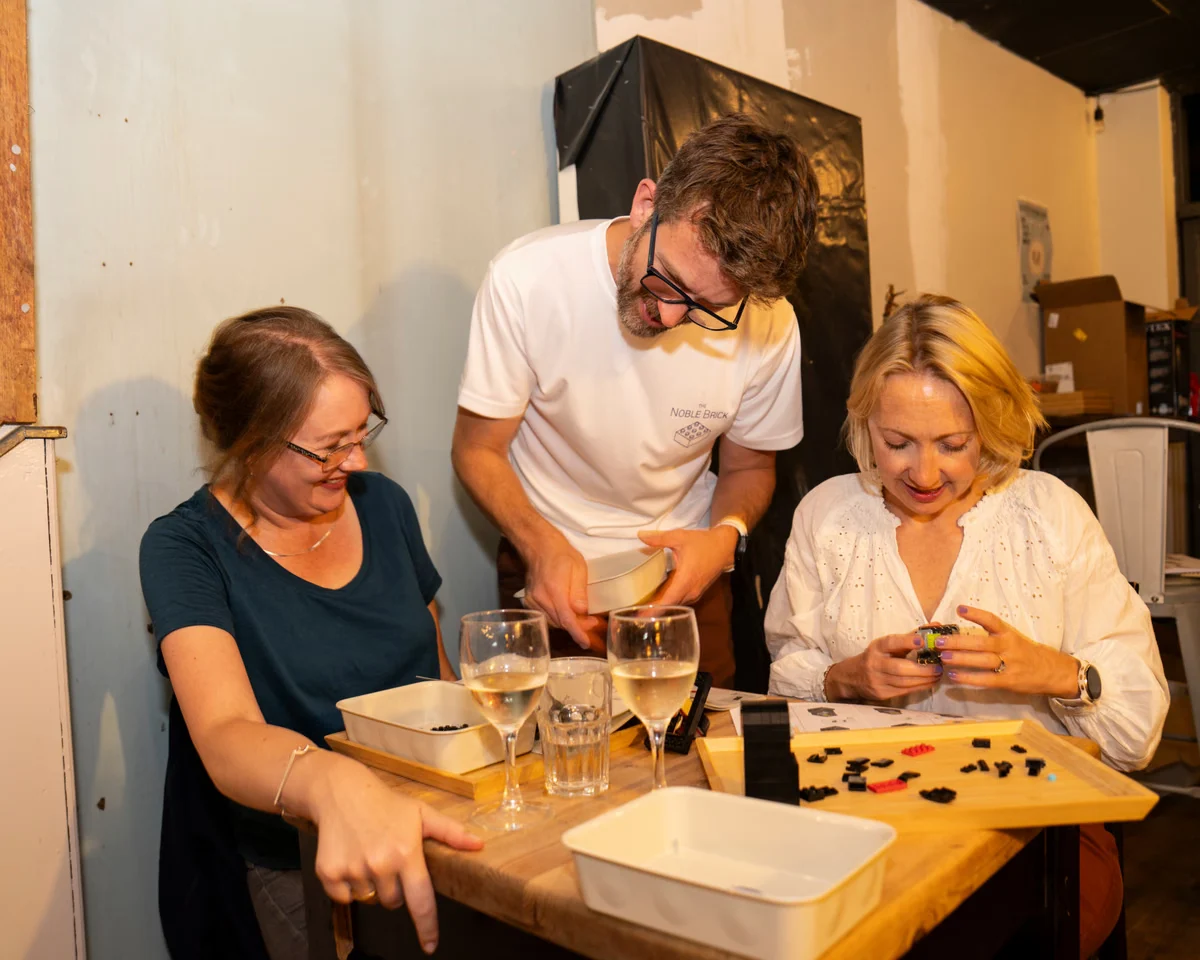









A growing trend of adults revisiting their childhood pastimes is proving more than just a nostalgic whim. This shift has had measurable impacts, most notably for the Danish toymaker Lego, which has seen its revenues climb by 21% as more adults engage with the brand. Beyond plastic bricks, people are finding solace in a variety of activities—from tree climbing and horseback riding to fine art and miniature embroidery—as they look to disconnect from the pressures of adult responsibility and the constant, often negative, influx of information on social media. Helping to fuel a surge in sales that has increased the Danish toymaker’s revenues by 21%, a growing number of adult enthusiasts are rediscovering their love for Lego. I was relatively feral as a kid; my parents didn’t know where I was other than in the woods somewhere and most likely up a tree.
For many, these hobbies serve as a necessary mental detox. Sarah, a video game tester based in Tokyo, notes that the constant stream of bad news on social media can be overwhelming, leaving young adults in particular searching for a comforting escape. This sentiment is shared by Sydney Bauer, a PhD candidate in North Carolina, who finds that riding horses provides a vital stress-reliever while navigating the rigors of academia. After a long hiatus from riding, Bauer reconnected with the activity during the Covid-19 pandemic, eventually buying her own horse and participating in shows. I never really stopped but life got busy and adulting took over for a long while.
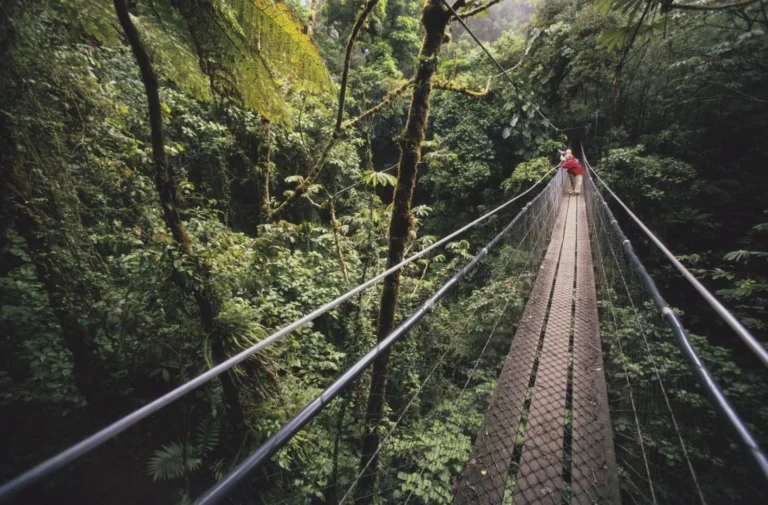
The physical act of creating or engaging in a tactile activity is a common theme. Bec, a teacher in Australia, describes building Lego as a way to prioritize fun for its own sake rather than worrying about monetization or skill levels. For her, building feels like a detox from the screen, helping her return to a version of herself that existed before the dominance of social media. Similarly, Jimmy Young, a business director in Hampshire, has returned to his childhood hobby of tree climbing. He finds that the activity forces him out of his comfort zone and provides a valuable connection to nature, allowing him to be fully present with his daughter.
The artistic route is also seeing a resurgence. Rachel Richman, a community artist in Newcastle upon Tyne, has fully embraced handsewn miniatures, a passion she developed as a child after her aunt introduced her to embroidery. Her obsession was so profound that she once traveled alone from London to Normandy at age 17 to see the Bayeux tapestry. Today, she uses those skills for collaborative projects, such as creating memory cushions for family and friends. For others, like an artist who set aside creative pursuits after career setbacks, rediscovering fine art feels like fitting a long-lost puzzle piece back into their identity. Probably less than 18 and speaking no French, I took myself by train from London to see the Bayeux tapestry in Normandy, at far too young an age.
For some, these hobbies are also a way to maintain personal bonds. Pete Harper, a small business owner in East Lothian, Scotland, rediscovered radio-controlled car racing, a pastime he originally took up with his father in the late 1990s at a track in Stonehaven. After a 25-year break, he stumbled upon a local club near Edinburgh and decided to buy his own car. Harper values the real-world connection and encouragement found at the track, noting that it offers a much-needed, low-cost way to live out a motorsport fantasy, far removed from the toxicity sometimes associated with online racing communities.