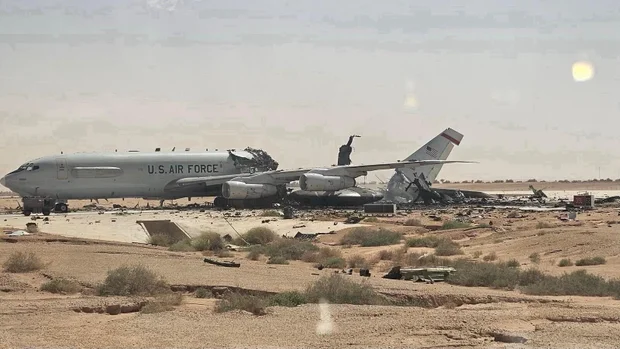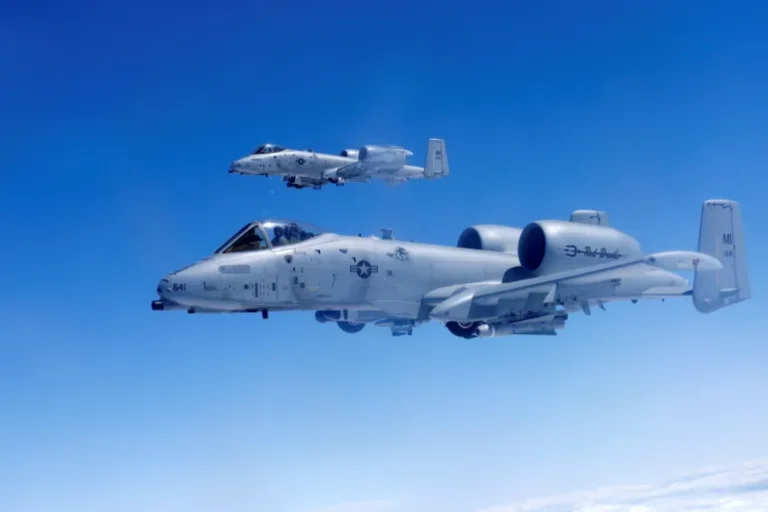

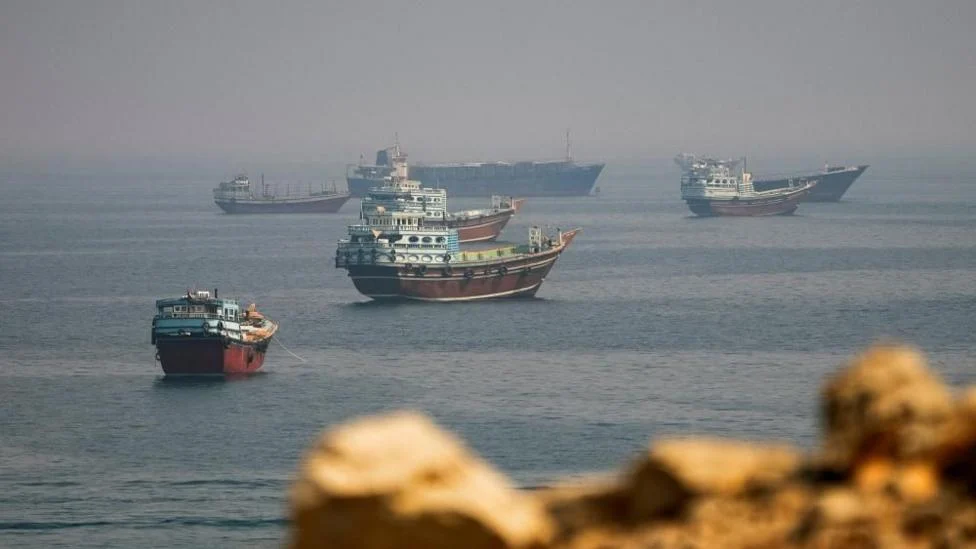





US Central Command (Centcom) confirmed that American forces resumed military strikes against Iran on Tuesday, initiating the operation at 12:00 ET (16:00 GMT). The action follows what officials described as “recent attempted attacks” by the Islamic Revolutionary Guard Corps (IRGC) against commercial shipping vessels in the Strait of Hormuz and American service members stationed in the region.
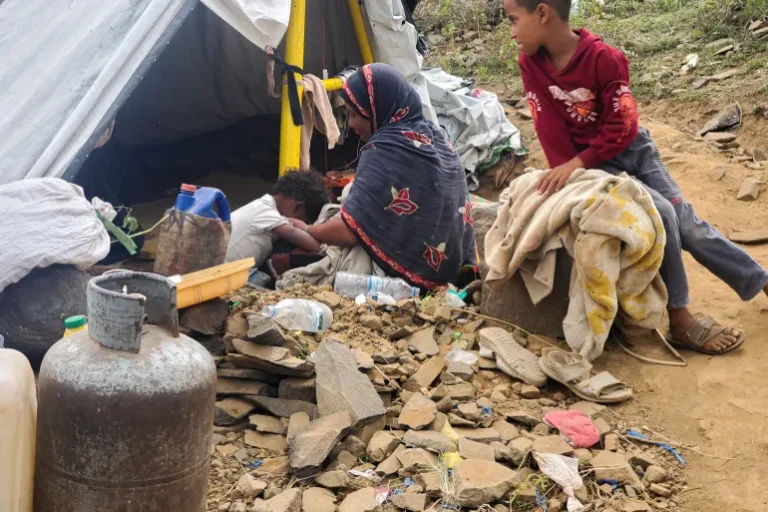
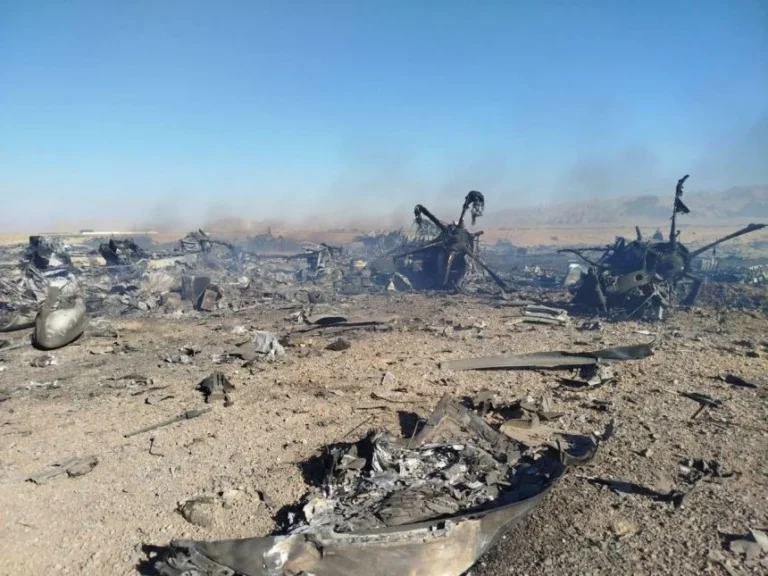
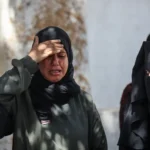
The Iranian Red Crescent reported that a US missile strike caused significant casualties in the southern Iranian town of Sirik, where shrapnel reportedly hit a home hosting a wedding celebration. According to state media, four people were killed, including a young child, and more than 50 others were injured. Further reports indicated that projectiles struck areas in Chabahar and Konarak, along with an airport in Jiroft, while explosions were heard near Qeshm island and Bandar Abbas.
US Navy Captain Tim Hawkins, speaking for Centcom, acknowledged the reports regarding the Sirik incident but stated that the US military does not target civilians, contrasting this with the actions of the IRGC. In retaliation, the IRGC claimed it launched a barrage of ballistic missiles at a US Marine base in Aqaba, Jordan. However, the Jordanian Armed Forces, through the state-affiliated Al-Mamlaka network, reported no casualties from the attack. Jordan’s national security center had issued a temporary warning to residents in the Aqaba and Mafraq governates regarding falling debris, which has since been lifted.
President Donald Trump characterized the strikes as “large and powerful,” framing them as a direct response to Iran’s targeting of the US military base in Jordan and its failed attempts to deploy sea mines in the Strait. He warned that any further retaliation from Tehran would be met with an even more severe response, adding that a larger-scale operation remains “waiting in the wings.”
This latest escalation follows a series of hostilities that have intensified since the expiration of a June Memorandum of Understanding, which had previously extended a ceasefire between the two nations. Earlier this week, US forces targeted two rocket launchers on Larak Island, prompting Tehran to fire missiles at Jordanian air bases and launch a drone toward the UAE.
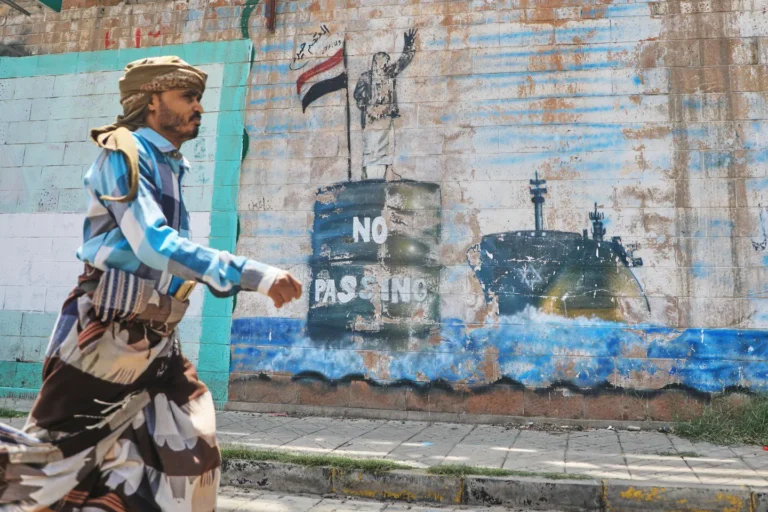
The current volatility is part of a broader conflict that saw wide-ranging strikes by the US and Israel on February 28, which led to the temporary closure of the Strait of Hormuz to marine traffic. Both nations have since engaged in active naval confrontations, with the US enforcing a blockade of Iranian ports and Tehran targeting vessels attempting to transit the Strait without authorization.
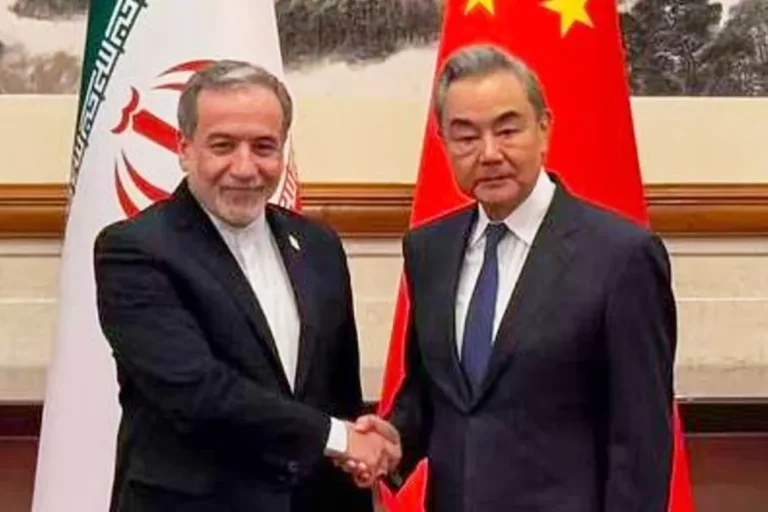
Diplomatic tensions remain high following a fresh US sanctions campaign launched on August 24, intended to isolate Tehran and expand secondary sanctions against its allies. While Iranian officials have largely dismissed these measures as a continuation of previous economic pressure, President Masoud Pezeshkian indicated on Tuesday that Iran would be willing to reciprocate if the US returned to its previous commitments under the expired agreement. The report also notes that donald Trump, when the US strikes were announced on Tuesday afternoon, warned that Iran would be hit again at “a much harder and higher level” if it retaliated. The report also notes that unlike the IRGC, he added: “The US military never targets civilians.