









It was intended to be a simple, engaging post. Amid the buzz of the Tour de France finale, Oliver Hooson filmed himself whipping up a delicious-looking flat white for a fellow cycling enthusiast. Documenting the moment with Meta’s “spy glasses,” he aimed to share a unique point-of-view perspective with his 224,000 Instagram followers. However, the reaction was immediate and hostile. “PERV,” read one comment, while another user wrote, “Out here pushing creep glasses.”
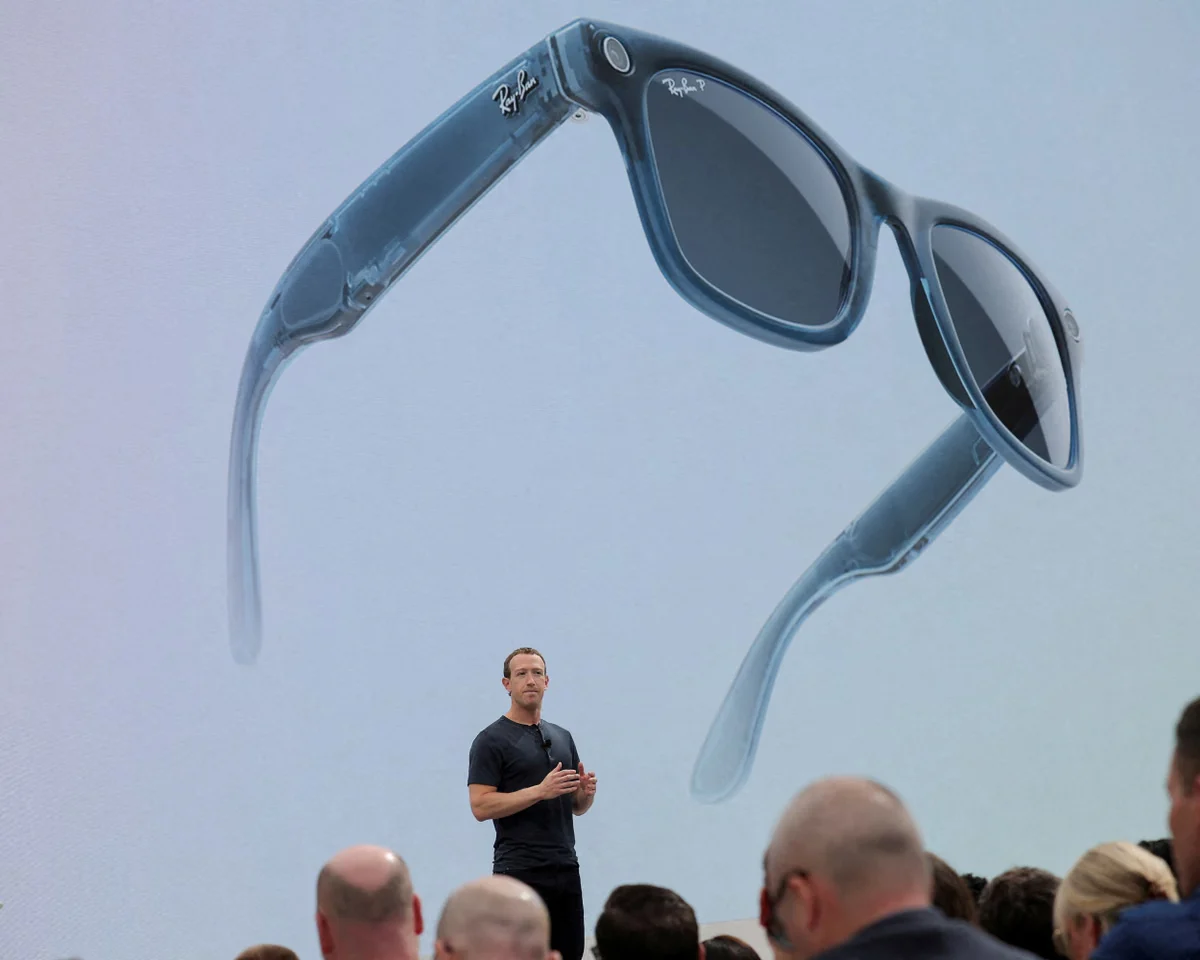
Despite being marketed as a cutting-edge lifestyle gadget, Meta’s smart glasses have triggered a vicious backlash centered on surveillance fears. The devices, which can record video footage while being worn, have earned the derogatory label of “pervert glasses.” Content creators, regardless of their intent, have faced a flood of negative comments for deploying them in public spaces, as critics argue the technology facilitates the recording of people—particularly women—without their consent.
Things reached a peak this summer when Kylie Jenner collaborated with Meta to launch a pair, leading to a flurry of influencers showing off their trendy, Kardashian-approved goggles. The campaign backfired for many, as some content creators were forced to issue apologies for plugging the specs. Rida Tharana, an influencer with 1.6 million followers, “took accountability” for her role in a Meta campaign, publicly criticizing men who misuse the technology to “record and harass women.”
Hooson admits the backlash caught him off guard, though he now supports the critics’ message. “It was a real ignorant move,” he says, noting his discomfort with the reality that the glasses are being used against “women mainly being filmed against their knowledge.” Following the video, Hooson lost between 50 and 100 followers. He describes the term “pervert glasses” as a “defence mechanism” used to dissuade people from adopting the technology. “If everybody gets round that they are pervert glasses, which evidently they have, then it’s a really easy way of limiting sales and the usage of them,” he explains.
His initial interest in the glasses, which he received at a PR event, was purely creative. “I saw high-end chefs filming themselves with the glasses on, showing off their process. It was stupid, poetic and beautiful to watch. I wanted to have a play about and show people the things that I enjoy doing,” he says. Ultimately, he has decided the social cost is too high. “Would I rather just not have that little fun point-of-view shot for the greater good? Yes, I would definitely get rid of them,” he concludes.
While the glasses have proved unpopular with some online, they remain a commercial success, selling 7 million pairs in 2025 alone. Meta maintains that the tiny, flashing LED light on the frame alerts bystanders when recording is active. However, reports of misuse persist. In one instance, a woman told the BBC a man had recorded her and subsequently demanded money to remove the footage from social media. Another woman described being recorded during sexual encounters without her consent. Last month, police in Scotland launched an investigation into a far-right TikToker who allegedly filmed himself making sexualized comments to young women and threatening a shopkeeper.
The backlash has moved beyond social media, with various establishments, including UK pub chain Wetherspoons, banning the glasses over privacy concerns. Parenting influencer Deena Lang, who initially saw the glasses as a useful tool for a family trip to Europe, has also retreated from using them. “I didn’t really know what they were capable of,” she says, noting she felt “a lot of embarrassment” after realizing how they are used in nefarious ways. She recalls wearing them to a cooking class and feeling horrified upon reviewing the footage: “I just kept catching people giving me dirty looks or side-eye.”
Lang, who now keeps the device in a drawer, acknowledges that while some users—including those who are blind—find the technology helpful for navigation, the social negatives currently outweigh the benefits. “I don’t believe that we are in an age where technology like this can exist without people with bad intentions making use of it,” she adds. Others have reported even more invasive experiences, such as catching waxers wearing the glasses during private appointments. In response to the growing controversy, a Meta spokesperson stated: “We designed our AI glasses with privacy and safety features built in from the start – informed by engagement with safety experts, including women’s safety organisations.” The report also notes that for me, that was a real awakening.” She posted the footage to her 110,000 followers on Instagram with faces blurred out to act as a “cautionary tale”. The report also notes that “Funnily enough, my wife predicted it. The report also notes that she was going to post a banterous comment in a similar tone to the others but she didn’t press send.”. The report also notes that “It was intended as a simple way of capturing a human POV of my morning coffee routine or my fast cycling descents. The report also notes that i think that’s vastly different from somebody going into the centre of Soho and asking somebody a divisive question and clipping them up for views without their knowledge,” he says. The report also notes that very usefully, translate foreign text live, this was especially true as the family were heading to Europe for a trip and the glasses could. The report also notes that our glasses have always had an LED light that activates whenever someone captures a photo or video for their gallery. The report also notes that “They also feature tamper detection technology, and we are updating the glasses to disable the camera if they detect the LED was physically tampered with or destroyed.