







Oman has reported that positive talks have been taking place with Iran regarding an agreement to secure a shipping route through the Strait of Hormuz. However, Tehran has warned that any potential deal would not result in the immediate reopening of the vital waterway.
Both sides suggested on Saturday that discussions were progressing, though a timeline for finalising any agreement remains unclear. Oman’s foreign ministry has issued a warning against further attacks on shipping, noting that such incidents could hamper the diplomatic process.
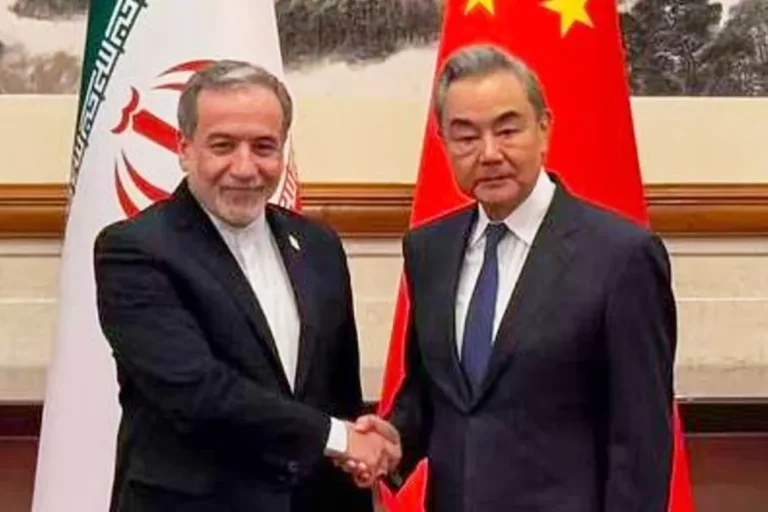
Iranian Foreign Minister Abbas Araghchi stated that the talks are in their final stages, but emphasized that the reopening of the strait remains “subject to other conditions.” Tehran has effectively blockaded the waterway, through which roughly one-fifth of the world’s oil and natural gas typically flows, since the US and Israel began military operations against it in February.
Current negotiations are focused on the possibility of a deal between Iran and Oman to establish a new, jointly managed route through the strait, which officials hope will lead to the resumption of maritime traffic. Araghchi noted that a full reopening depends on several conditions, including Iran receiving compensation from the US for alleged violations of a deal signed in June to cease fighting and advance peace talks.
That deal, known as a Memorandum of Understanding (MoU), quickly fell through, as did subsequent diplomatic efforts, with tit-for-tat attacks resuming just days after it was signed. Separately, Iran’s security chief, Mohammad Baqer Zolqadr, told the semi-official news agency Tasnim that the Strait of Hormuz would not reopen until the US “corrects” its behaviour.
Zolqadr stated that the US must meet six specific Iranian demands, including a halt to threats against the country, the removal of the naval blockade on Iranian ports, and the release of frozen Iranian assets. Meanwhile, a separate blockade on Saudi Arabia’s Red Sea ports has been maintained by Yemen’s Iran-backed Houthis since 20 July.
US President Donald Trump recently suggested a deal with Iran “could be soon,” but Vice-President JD Vance expressed more caution on Saturday. Vance told Fox News that while progress is being made, significant work remains. “We’re really in the middle of the game here,” he said. “This thing is not over.”
Vance added that “we’re applying a whole host of tools – diplomatic, economic [and] military tools – to ensure that we get the best outcome for the American people.” He further claimed that the “same amount of oil” will emerge from the Gulf as did before the US military operation began on 28 February, though he provided no specific details on how this would be achieved.
Addressing the technical challenges, Vance noted, “What we’re really working through now is how you can actually set up a traffic scheme so that the ships can pass through safely.” A major point of contention has been Iran’s reported threat to impose fees on vessels crossing the strait. Reuters, citing an Iranian official, previously reported that Tehran was seeking fees between 5% and 7% of cargo values. Vance downplayed these reports, stating, “The Iranians have told us they have no plans to toll the Strait of Hormuz.”
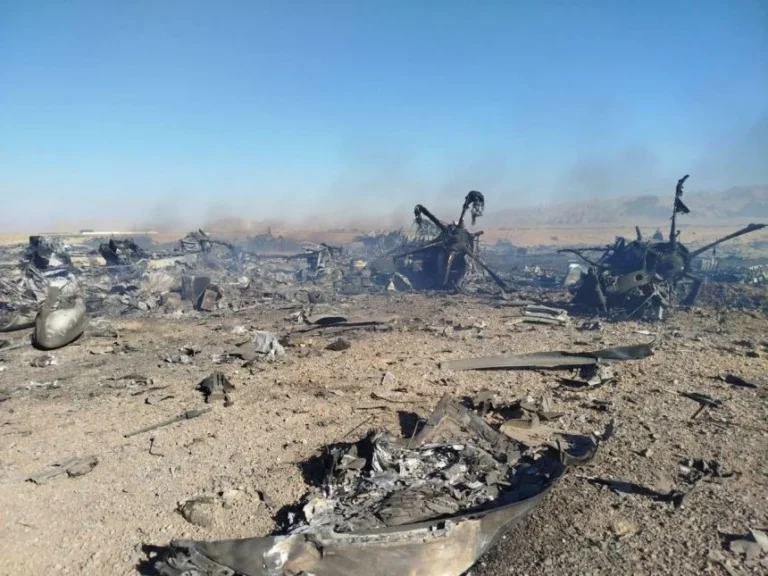
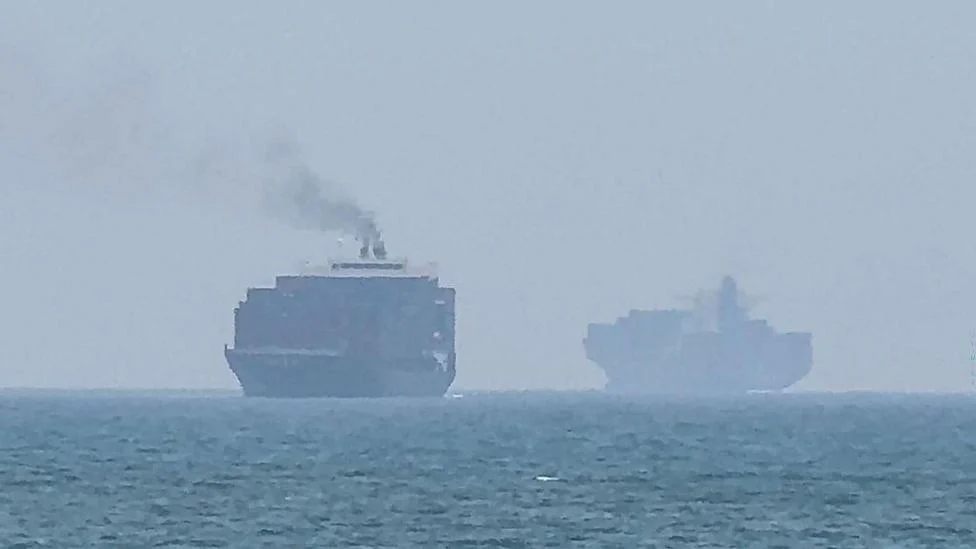
Tensions remain high following reports of new attacks. The United Arab Emirates (UAE) stated on Saturday that Iran had targeted a tanker affiliated with its state-owned oil company, Adnoc, with a missile. The UAE foreign ministry confirmed the attack but reported no casualties. Shortly after, the UK Maritime Trade Operations (UKMTO) agency reported a ship being struck by “an unknown projectile” off the coast of Oman, causing a fire that was later extinguished. It remains unclear if the UKMTO report refers to the same vessel as the UAE incident.