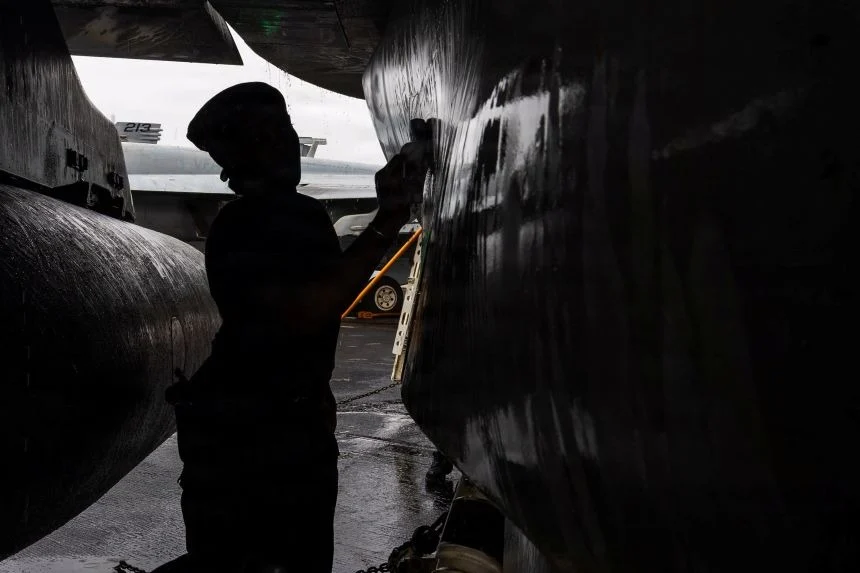









The USS Abraham Lincoln is currently in the middle of a record-setting deployment, having remained away from its home port for over six months. This extended mission has raised significant concerns regarding the morale and mental health of the crew, as the ship risks surpassing the longest deployment for a US carrier since the Vietnam War. This follows a 326-day deployment by the USS Gerald R. Ford, which included operations against targets in Iran and Venezuela.
Defense experts and former officials warn that this trend of prolonged deployments places undue stress on both vessels and personnel, potentially leading to burnout or causing sailors to leave the Navy entirely. A crew member currently serving on the Lincoln described morale as very low, noting frequent discussions among the crew regarding suicidal ideation. The sailor told, “Everyday we wake up and listen to our Captain speak, we are desperately hoping and anxious for updates on our return.”
Conditions aboard the ship have reportedly deteriorated, with sailors and their families reporting intermittent food shortages, limited hygiene supplies, and recurring issues with water and sanitation systems. One sailor, speaking anonymously due to fear of reprisal, noted that while hygiene products were previously readily available, they are now strictly limited. The Navy, in a statement, said it has not observed an increase in suicidal ideation or attempts, and a US official added that the service does not correlate deployment length with self-harm, though reports from the Navy Times and Stars and Stripes indicate that some sailors have been prevented from jumping overboard.
Kate Kuzminski, a research director at the Center for a New American Security, emphasized that the Navy must align its deployment model with current realities to manage expectations for families. She questioned the impact on personnel, noting that such extended timelines could drive families to leave the service. Meanwhile, President Donald Trump recently addressed the Lincoln’s deployment length, suggesting it was not ideal, while family members of the crew have expressed frustration, with one spouse telling Jake Tapper that the administration needs to take more accountability for the state of the military.
Data reviewed by shows that the median length of US aircraft carrier deployments has risen steadily since 2020. While the Navy aims for a predictable three-year cycle featuring a seven-month, 210-day deployment, these targets have been consistently missed since the October 2023 Hamas attacks on Israel. Subsequent conflicts led to extended missions for the USS Gerald R. Ford and the USS Dwight D. Eisenhower. By 2025, the carrier force was further strained, with two deployments exceeding 270 days.
Technical and logistical challenges are also mounting. Experts noted that extended missions accelerate wear and tear on ship components, increasing the likelihood of mechanical mishaps. Furthermore, the construction of the next Ford-class carrier, the USS Doris Miller, faces significant delays. Shipbuilding expert Bryan Clark indicated that necessary design changes could push the ship’s service date toward the end of the next decade and cost billions, potentially forcing the Navy to keep aging Nimitz-class carriers in service well beyond their 50-year lifespans.
Retention of aviators and maintenance personnel remains a critical concern for the Navy. Earlier this year, a memo revealed that a review was ordered regarding retention struggles within Navy Strike Fighter Squadrons. As the USS Abraham Lincoln continues its mission nearly nine months after departing San Diego, families report that the strain is palpable, with care packages sometimes arriving late or damaged, further highlighting the logistical and emotional toll of these record-breaking deployments. The report also notes that the crew member said, and there were regular strains on essential amenities — toilets and water fountains around the ship frequently closed and hot water often unavailable. The report also notes that “You used to be able to go to the ship store and get as many items as you want, with every hygiene product consistently available,” one sailor, who requested anonymity due to fear of reprisal, told. The report also notes that “What does it do to a family who’s newly assigned to the Ford?” asked Kuzminski, who argued that “it could drive people’s or families’ decisions to get out (of the Navy).”. The report also notes that largely due to the combat that has kept the carrier from making stops at friendly ports, other sailors aboard the Lincoln who spoke with described conditions unlike their prior deployments. The report also notes that ships can take on new supplies and allow its sailors to rest and relax during those port calls. The report also notes that said he understands sailors like his child join the Navy to do their jobs and doing them in combat is inherently hard – but he questions why relief hasn’t come sooner and whether some of the mental strain from the long deployment could have been prevented, the father of a sailor aboard the Lincoln who spoke to on the condition of anonymity. The report also notes that the wife of one service member aboard the Lincoln who requested anonymity told Jake Tapper on Friday that the president doesn’t think “before he talks,” and urged both he and Secretary of Defense Pete Hegseth to have “some empathy.”. The report also notes that according to Adm, the Navy’s plan has aimed to provide predictable three-year cycles for sailors that include a seven-month/210-day deployment.