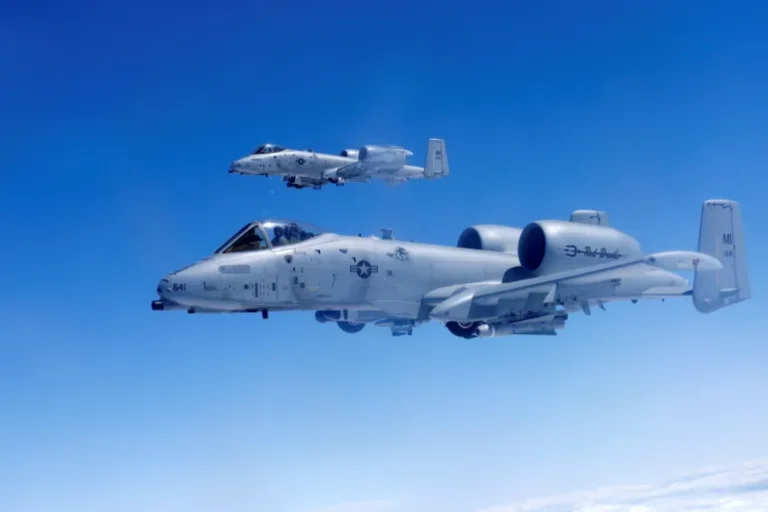







The United States military confirmed on Saturday that its forces struck three Iranian crude oil carriers in retaliation for a ballistic missile attack launched by the Islamic Revolutionary Guard Corps (IRGC) against two US Navy warships. US Central Command (CENTCOM) stated that a US aircraft carrier and a guided-missile destroyer successfully evaded the unprovoked Iranian strikes, prompting a decisive response to neutralize the threat to its fleet.
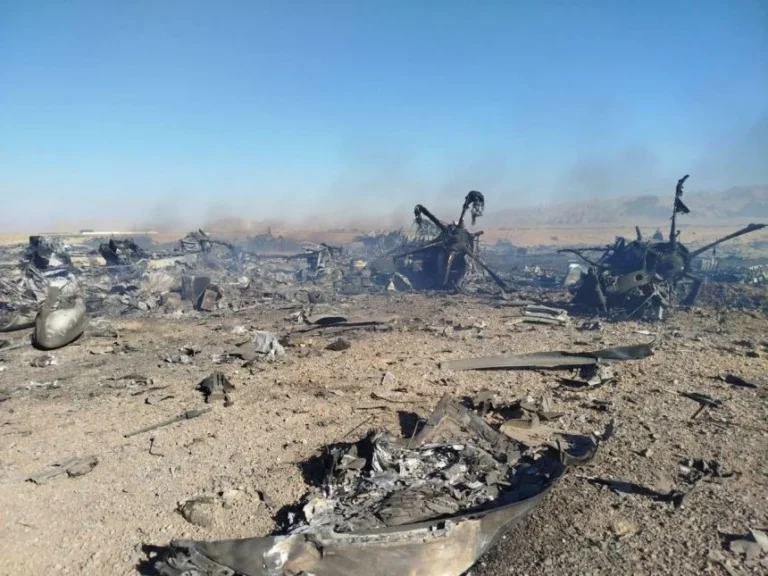
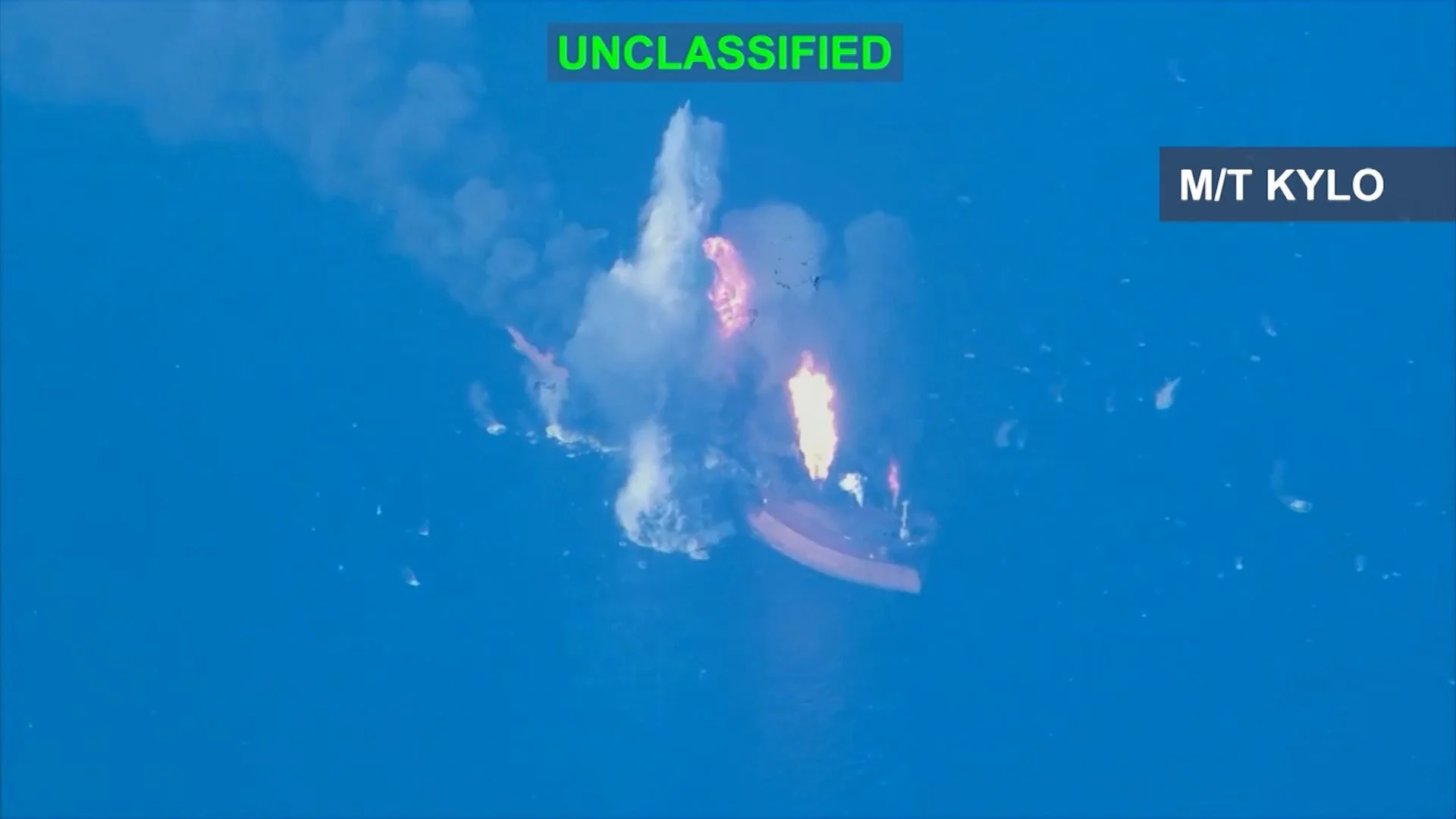
In the aftermath, US forces permanently disabled the IRGC-linked tankers M/T Downy, located off the coast of Kharg Island, and the M/T Stark 1, situated near Jask. Additionally, an unladen crude tanker identified as the M/T Kylo was completely destroyed after being struck multiple times outside the Persian Gulf. CENTCOM officials emphasized that these vessels are integral components of a multibillion-dollar shadow network used to finance the IRGC and its regional proxies.
CENTCOM commander Admiral Brad Cooper issued a stern warning regarding the escalation, stating that the US intends to impose a higher economic cost on the IRGC for every attack on American ships. Defense Secretary Pete Hegseth echoed this sentiment on social media, noting that the Iranian tanker fleet remains vulnerable due to the country’s lack of a significant navy or air force. Hegseth added that the US is prepared to target these assets across the Middle East and the Indo-Pacific region.
Audio evidence verified by investigators reveals the intensity of the engagement, with US military aircraft issuing emergency warnings to the crew of the M/T Stark 1. In one transmission, a pilot warned the crew to clear the ship’s stern within 10 minutes before an impending strike. A subsequent warning ordered the crew to abandon the vessel immediately, labeling the instruction as their final notice.
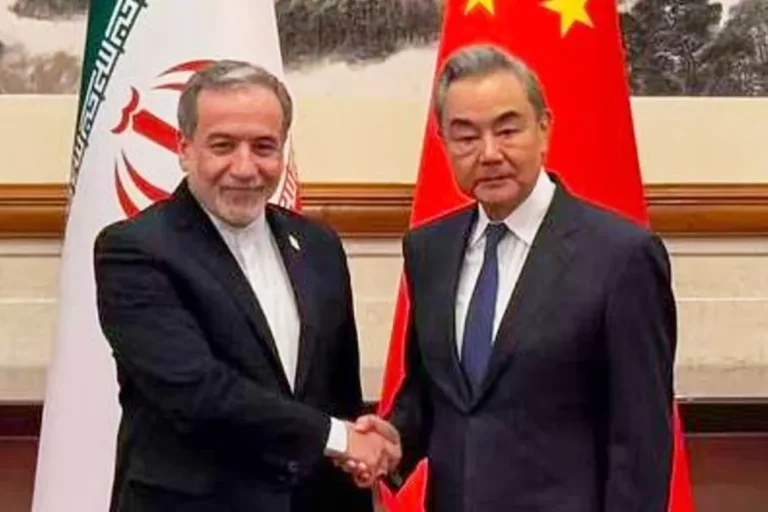
Iran’s foreign affairs ministry condemned the operation as illegal and aggressive, characterizing the strikes as a direct threat to international peace and the security of commercial shipping. The ministry further alleged that the US actions violated the UN Charter. Meanwhile, Parliament Speaker Mohammed Bagher Ghalibaf warned that any further aggression against Iranian interests would be met with a faster and more painful response. Iranian state media reported that while a tanker near Kharg Island was hit by four projectiles, there were no reported casualties.
The conflict continues to center on the strategic Strait of Hormuz, a vital artery for global oil supplies. Kharg Island, which typically processes approximately 90% of Iran’s crude exports, remains a focal point of the ongoing tensions. Satellite imagery and shipping data suggest that nearly 20 Iranian tankers are currently anchored near the island, effectively blocked by US naval forces, while over 50 tankers remain stationed throughout the Gulf and the Gulf of Oman.
Despite the recent flare-up, US officials have offered conflicting characterizations of the situation. On Thursday, Vice President JD Vance stated that the conflict should not be classified as a war, noting that there was no active shooting at that time. He declined to provide a timeline for a resolution, suggesting that the responsibility for ending the hostilities—which began six months ago following joint US-Israeli airstrikes—lies with Tehran. The report also notes that though the IRGC claimed on Saturday to have attacked and damaged three US vessels, no sign of a major Iranian retaliation had emerged by Sunday morning. The report also notes that has contacted CENTCOM for comment regarding those claims. The report also notes that unable to exit the Gulf because of the US naval blockade but in many cases fully laden, shipping data and satellite imagery indicate there are nearly 20 Iranian tankers at anchor near Kharg. The report also notes that as Iran seeks to prevent shipping transiting the Strait of Hormuz without its consent and the US steps up targeting of Iranian shipping, the fresh exchanges threaten to heighten a shipping war in and beyond the Persian Gulf. The report also notes that and the new attacks risk another retaliatory cycle, the two sides traded strikes earlier this week for the first time in over a month. The report also notes that “Let the message to the IRGC be clear: If you shoot at two of our ships, we will impose an even higher economic cost — taking out three of yours,” said Adm. The report also notes that all they have to do is stop shooting at @USNavy.”. The report also notes that i am preparing to fire at your stern.