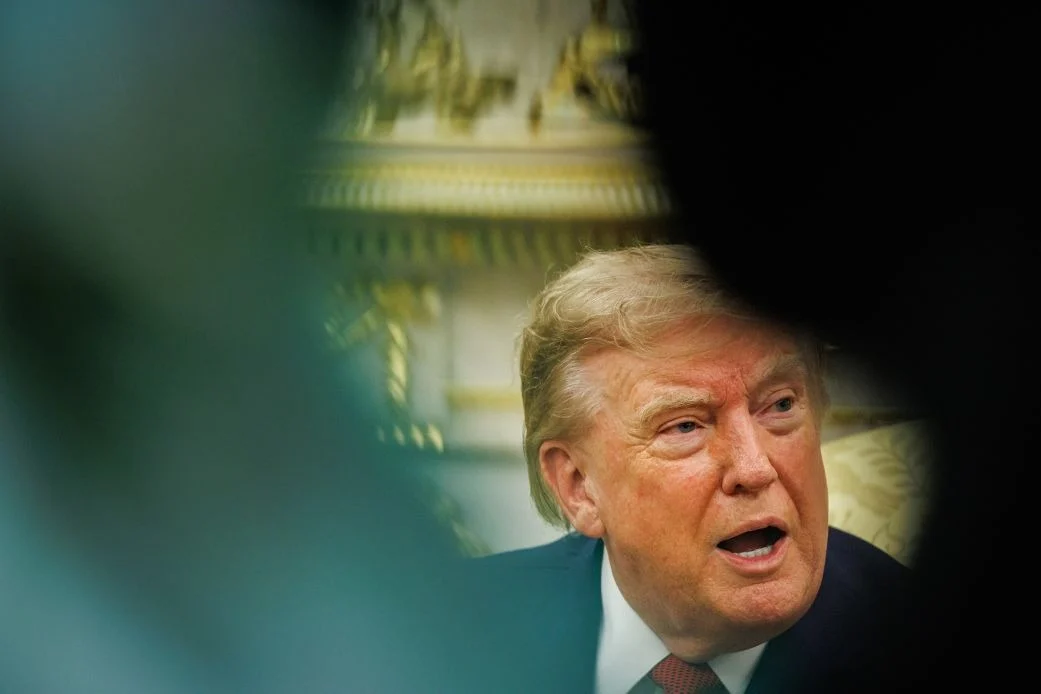








President Donald Trump has signaled a significant shift in his administration’s approach to the ongoing conflict with Iran, moving away from diplomatic engagement toward a strategy of sustained pressure. According to a US official, the president has instructed his top envoys—including Vice President JD Vance and negotiators Steve Witkoff and Jared Kushner—to halt all conversations with Tehran. This directive follows a period where the administration had attempted to secure a deal, despite persistent frustration over Iran’s refusal to meet American demands.
White House officials have reportedly informed political allies that the administration is transitioning its strategy from a desire to “hammer Iran ASAP” to a more patient effort to “strangle them” over time. This pivot marks a departure from the president’s previous claims that a new agreement was imminent following the collapse of the June ceasefire. Trump explicitly stated on social media that there are currently no active or scheduled diplomatic discussions with the Islamic Republic of Iran.
The president’s decision to disengage comes despite recent, more optimistic remarks from Jared Kushner. During a recent trip to the Middle East, Kushner told Fox News that conversations with various figures within the Iranian regime were “probably more robust” than ever. Iranian officials, however, have consistently denied that any direct talks with the United States are taking place, a stance that has previously drawn the president’s ire.
A primary point of contention remains the Strait of Hormuz, where traffic remains limited and vessels continue to face threats from Iranian projectiles. Trump has expressed deep dissatisfaction with a potential arrangement between Iran and Oman regarding the management of the waterway. He recently criticized Oman, a long-term strategic partner, and threatened the nation with military action. The proposed deal, which has not been finalized, would grant both Iran and Oman control over traffic, a prospect the White House fears could solidify Iranian dominance in the region.
The administration remains firmly opposed to any plan that includes tolls or fees for vessel transit, which some versions of the regional proposal have suggested. Trump insists that the strait must be restored to its prewar status of unrestricted international access, arguing that allowing any nation to control the waterway would set a dangerous precedent. Despite the president’s stated goal of preventing Iran from acquiring nuclear weapons, the restoration of traffic in the strait has emerged as the central challenge of the war.
The United States is preparing to impose new, severe sanctions on Iran, potentially as early as this week. Defense Secretary Pete Hegseth and other military officials have affirmed that American forces remain prepared to maintain the blockade of Iranian ports indefinitely. While the White House believes this economic pressure will eventually force Tehran to accept his terms, Iranian officials appear to be banking on the belief that Trump faces significant domestic political pressure to withdraw.
The war has placed a heavy burden on the US military, with long deployments of assets like the USS Abraham Lincoln aircraft carrier drawing increased scrutiny. Trump has also acknowledged that stockpiles of advanced munitions have been depleted after six months of conflict. Nevertheless, the president has resisted calls from some Republicans to seek an exit strategy, maintaining that he feels no urgency to conclude the war. In a recent social media update, he posted a map of the Strait of Hormuz labeled “US Territory,” underscoring his commitment to maintaining a long-term military presence in the region. The report also notes that and that a new deal was just around the corner — as he’s asserted repeatedly since the ceasefire signed in June fell apart — Trump announced there was no diplomacy unde, and instead of claiming talks were proceeding well. The report also notes that “They’re engaging in a very strong way and that’s quite positive,” he said, adding: “We are having very positive and active conversations.”. The report also notes that saying Iran was playing games and that officials were eager to strike a deal in more private conversations, trump had previously vented anger at the denials. The report also notes that for weeks, President Donald Trump has tried willing positive developments with Iran into existence, without much success. The report also notes that on Tuesday, he seemed to adopt a new approach. The report also notes that all water mines have been removed or detonated. The report also notes that thank you for your attention to this matter!”.