





The Trump administration has unveiled a proposal to implement a $103,265 fee for H-1B visa applications. This move comes just months after a federal judge invalidated the government’s prior attempt to mandate a $100,000 fee for the same program. According to the regulatory proposal published Monday, the administration intends for the funds to assist in “recovering” the operational costs of the immigration system, while simultaneously incentivizing domestic companies to prioritize hiring and increasing wages for American workers.
This new rule is not yet finalized, and the implementation process could span several months, particularly if it encounters further legal hurdles. The government has opened a 30-day window for public comment regarding the proposal. H-1B visas are currently utilized by foreign professionals in specialized fields, requiring applicants to hold at least a bachelor’s degree or its equivalent. These visas are generally valid for three years with an option for a three-year renewal. Under current law, the annual cap is set at 65,000 visas, with an additional 20,000 spots reserved for individuals who have earned advanced degrees from American universities.
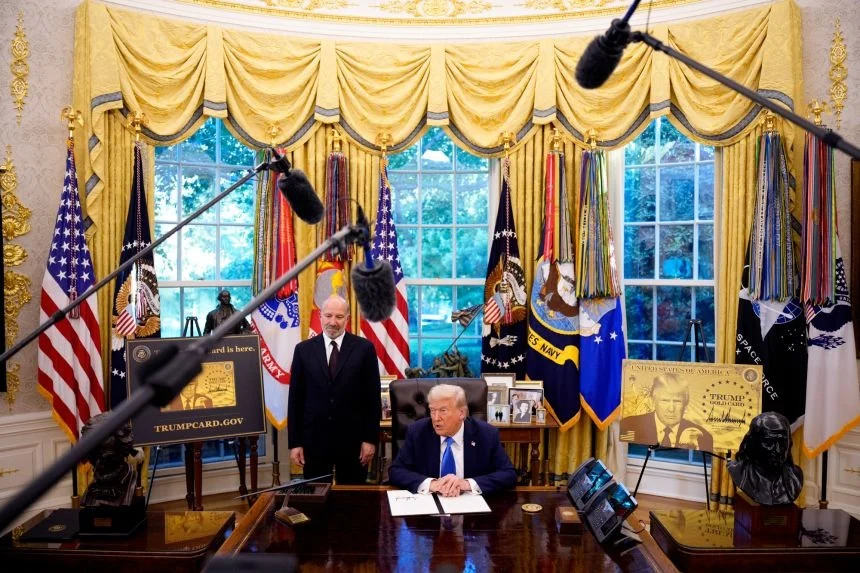
Vice President JD Vance voiced support for the initiative on X, stating, “If an American corporation needs workers, it should hire and train Americans.” The administration maintains that the H-1B program is frequently overused, which they argue hinders domestic employment opportunities. This latest effort follows an executive action signed by President Trump in September 2025, which initially sought to raise the fee from its previous level of approximately $3,000 to $100,000.
That earlier attempt faced a significant legal challenge in June, when US District Judge Leo Sorokin ruled against the administration. Sorokin, an appointee of former President Barack Obama, determined that the president lacked the delegated authority to impose such a levy, characterizing the fee as a tax that only Congress has the power to enact. “The President had no power or delegated authority to impose a tax on H-1B petitions,” Sorokin wrote in his decision. While the administration pushes for the new fee, economists continue to argue that the H-1B program remains a vital tool for US companies to maintain global competitiveness and stimulate job growth. The report also notes that and the process could take months before it is made official, especially if it faces legal challenges, the rule is not final.